

Galvanized steel. Dangers of Rust Frames
Rust frames, particularly in vehicles, machinery, and structures, pose significant safety and functional risks. When the metal that forms the structural framework begins to rust, it undergoes a chemical process called oxidation, which weakens the integrity of the material over time. This deterioration can lead to numerous dangers:
1. Structural Weakness: Rust causes the metal to become brittle and flaky, reducing its load-bearing capacity. In vehicles, this means the frame may no longer adequately support the car’s weight or withstand impact during collisions, increasing the risk of catastrophic failure.
2. Safety Hazard: For automotive frames, rust compromises the protective cage designed to absorb and distribute crash forces, putting occupants at higher risk of injury. Similarly, in buildings or bridges, rusted frames can lead to sudden collapses, endangering lives.
3. Increased Repair Costs: Rust damage typically worsens if left untreated, meaning repairs become more extensive and costly over time. In many cases, severe rust can necessitate complete frame replacement, which far exceeds the cost of preventative maintenance.
4. Compromised Performance: Rust on frames can interfere with the proper alignment and functioning of connected components such as suspension parts, which rely on a solid frame to operate correctly. This can lead to poor handling, uneven tire wear, and reduced overall vehicle performance.
5. Decreased Resale Value: Vehicles or equipment with visible or extensive frame rust often have reduced market value. Potential buyers view rust as a sign of neglect and anticipate future problems, making it harder to sell or trade-in.
6. Environmental Concerns: Rust can lead to contamination when rust particles flake off and enter the environment, especially if the material is treated with harmful coatings or chemicals. Managing rust and preventing its spread can therefore have ecological implications.
7. Potential Legal Issues: In some regions, vehicles with significant frame rust may fail safety inspections or be deemed unroadworthy, making it illegal to operate them on public roads. Similarly, structures failing to meet safety codes due to rust may face fines or forced closure.
In summary, rust on frames is not just an aesthetic issue but a critical safety concern that affects structural integrity, operational safety, financial value, and legal compliance. Regular inspection, maintenance, and timely treatment are essential to mitigate these dangers and ensure longevity.
What is galvanized steel, and why do we use it for every steel structure in our container houses?
Galvanized steel is a type of steel that has been coated with a layer of zinc to protect it from corrosion and rust. The galvanization process typically involves dipping the steel into molten zinc or applying zinc coatings through electrochemical methods. This zinc layer acts as a barrier, preventing moisture and oxygen from reaching the underlying steel, which significantly extends the lifespan of the material.
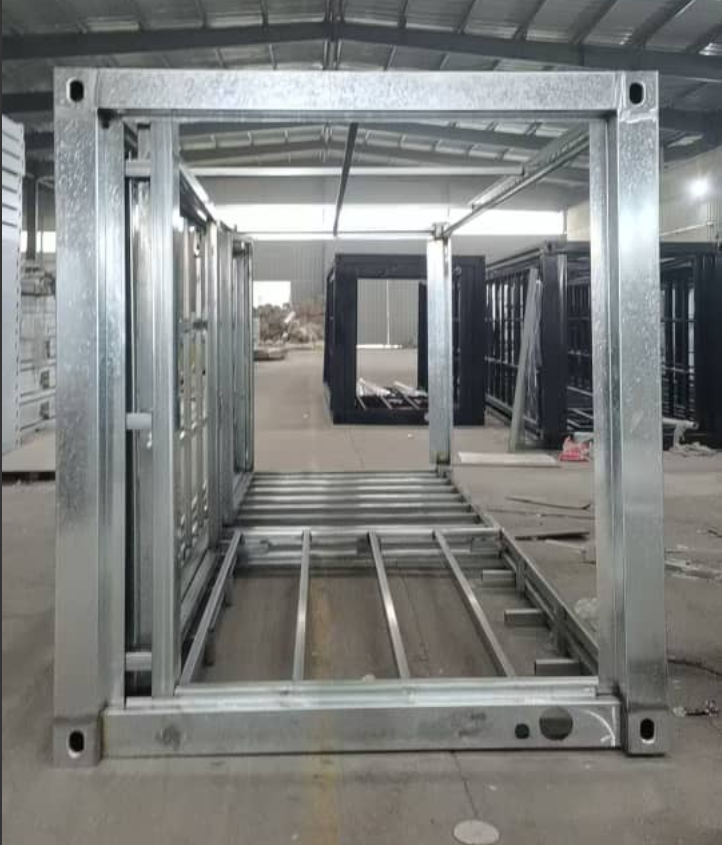
In the context of container houses, galvanized steel is the preferred material for every steel structure due to several important reasons:
1. Corrosion Resistance: Container houses are often exposed to varying weather conditions, including rain, humidity, and sometimes salty environments, especially if located near the coast. Galvanized steel resists rust and corrosion much better than ordinary steel, which helps maintain the strength and integrity of the structure over time.
Combine with foam insulation
When aiming to enhance the thermal efficiency and comfort of a building, combining your chosen material or construction technique with foam insulation can significantly improve overall performance. Foam insulation, such as spray foam or rigid foam boards, offers excellent thermal resistance (high R-values), which helps to reduce heat loss in winter and heat gain in summer. This combination creates a more airtight building envelope, minimizing drafts and air leaks that often compromise energy efficiency.
Moreover, foam insulation provides additional benefits such as moisture resistance and soundproofing, contributing to a healthier and quieter indoor environment. The seamless application of spray foam, for instance, fills gaps and crevices that traditional insulation might miss, thereby enhancing the effectiveness of your insulation strategy.
Integrating foam insulation with other structural or insulating materials can also extend the lifespan of your building components by protecting them from temperature extremes and moisture-related damage. This synergy not only improves energy savings and occupant comfort but can also increase the overall value of a property.
Would you like me to tailor this expansion for a specific context, such as residential construction, commercial buildings, or a particular type of project?
2. Durability and Strength: The zinc coating not only protects the steel but also adds to its toughness, making galvanized steel highly durable. This durability is crucial for container houses, which need to withstand transportation, installation, and long-term use without compromising structural safety.
3. Low Maintenance: Structures made with galvanized steel require significantly less maintenance compared to untreated steel. The protective zinc layer reduces the need for frequent painting or repairs, saving time and cost throughout the life of the container house.
4. Cost-Effectiveness: While galvanized steel may have a slightly higher upfront cost compared to regular steel, its long lifespan and reduced maintenance needs make it more cost-effective in the long run. This economic benefit is important in sustainable construction practices.
5. Environmental Benefits: Using galvanized steel aligns with sustainable building goals. The steel can be recycled, and its longevity reduces the need for replacements and repairs, minimizing waste.
6. Aesthetic Appeal: Besides functionality, galvanized steel also provides a neat and clean finish which can be appealing for modern container house designs.
Because of these advantages, galvanized steel is the go-to choice for all steel structural elements in our container houses, ensuring they are safe, strong, long-lasting, and able to withstand the demands of different environments and uses.
Galvanized steel vs untreated steel
Discovering Rust: The Hidden Threat That Eats Away at Steel
Rust is more than just a cosmetic flaw on metal surfaces; it is a formidable and often underestimated enemy that gradually destroys steel from the inside out. This corrosive process occurs when iron or steel reacts with oxygen and moisture in the environment, forming iron oxide—the reddish-brown compound we commonly recognize as rust. What makes rust particularly dangerous is its ability to silently compromise the structural integrity of steel over time, leading to weakened materials that can fail unexpectedly.
The hidden nature of rust means it often goes unnoticed until significant damage has already occurred. In bridges, buildings, vehicles, and machinery, rust can cause cracks, holes, and severe weakening that jeopardize safety and functionality. The damage is not only structural but also economic, resulting in costly repairs, maintenance, and replacements.
Understanding the science behind rust formation is crucial for developing effective prevention and treatment strategies. By recognizing the conditions that accelerate corrosion—such as exposure to water, salt, and pollutants—we can implement protective measures like coatings, corrosion-resistant alloys, and regular maintenance checks.
In essence, discovering rust is about unveiling a silent destroyer that relentlessly eats away at steel, reminding us of the need for vigilance, innovation, and proactive care in preserving the durability and safety of our metal infrastructures.
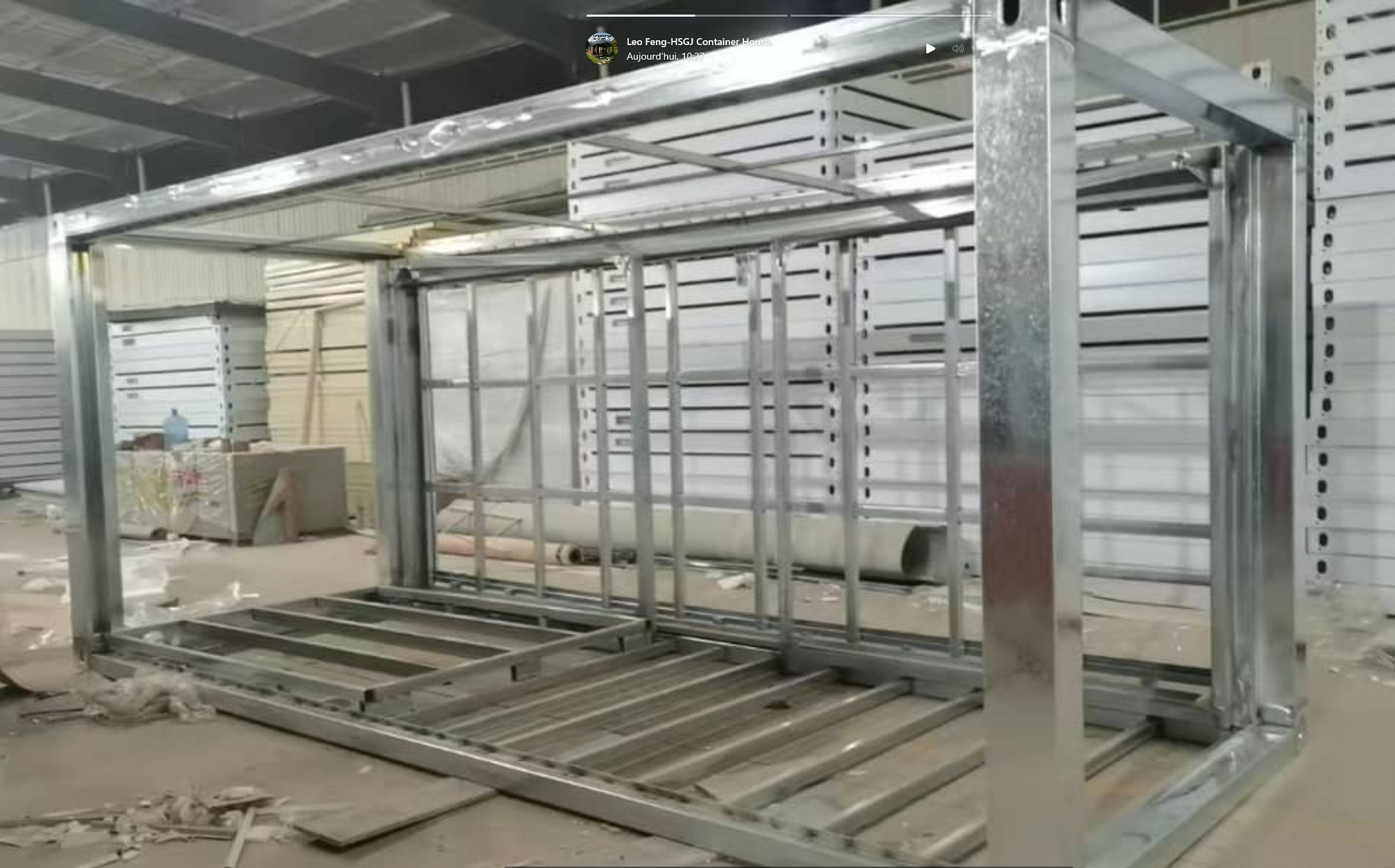
Hot Dipped Galvanized Structures for durability


Comments are closed