
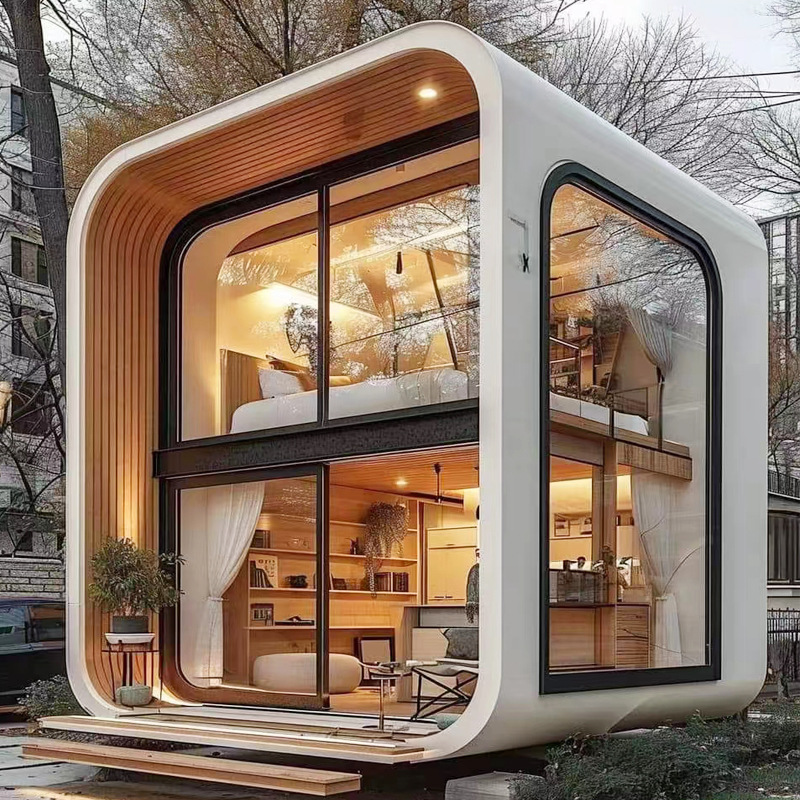
Smaller container houses, often called tiny houses, offer an efficient and space-saving living solution due to their compact design and size. They are becoming increasingly popular for those seeking affordable, eco-friendly, and customizable ho options. The versatility of container houses allows for various layouts and designs, catering to different needs and preferences while minimizing environmental impact. These homes provide an excellent opportunity for sustainable and personalized living.
Owning a tiny house opens the door to substantial savings on heating bills, especially when compared to larger, conventional homes. The inherent compactness of these structures translates to a marked reduction in energy consumption, leading to significantly lower heating costs throughout the colder winter months, making them an economically smart and environmentally conscious choice.
What are tiny houses?
So, what exactly are tiny houses? The name pretty much sums it up; they are low-cost, small, and sometimes even very small container houses. These structures offer an accessible and compact living solution, providing an appealing option for those seeking affordable and space-efficient ho alternatives in today’s market. Furthermore, the inherent design of tiny houses allows for customization, enabling individuals to tailor their living spaces to match their unique lifestyles and preferences, making them an attractive choice for a growing number of people looking for personal and practical homeownership experiences.
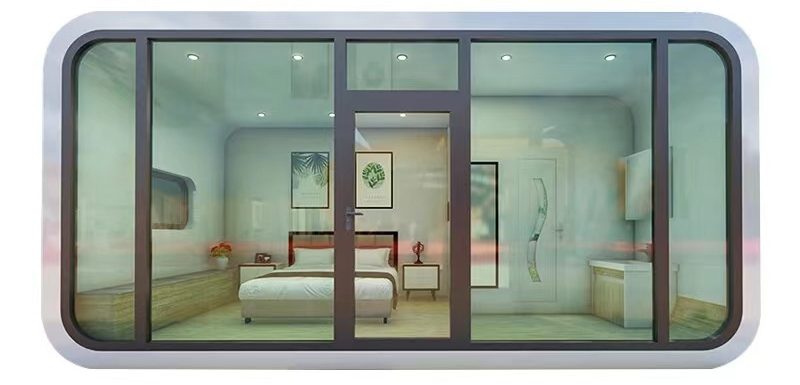
Start small and upgrade later
Certainly! Here’s an expanded version of the point:
One of the great advantages of tiny houses, especially tiny container houses, is their incredible flexibility and potential for future expansion. Unlike traditional homes, which often require significant construction work to add new rooms or extensions, tiny container houses can be easily upgraded over time.
This modular design allows homeowners to add additional sections or containers as their needs change or grow. For example, you might start with a single container as a cozy living space and later incorporate more containers to create separate bedrooms, a larger kitchen, or extra storage areas.
These sections can be joined seamlessly, maintaining a cohesive and functional layout. This adaptability makes tiny container houses an excellent choice for people seeking affordable, scalable, and customizable living solutions that evolve with their lifestyle.
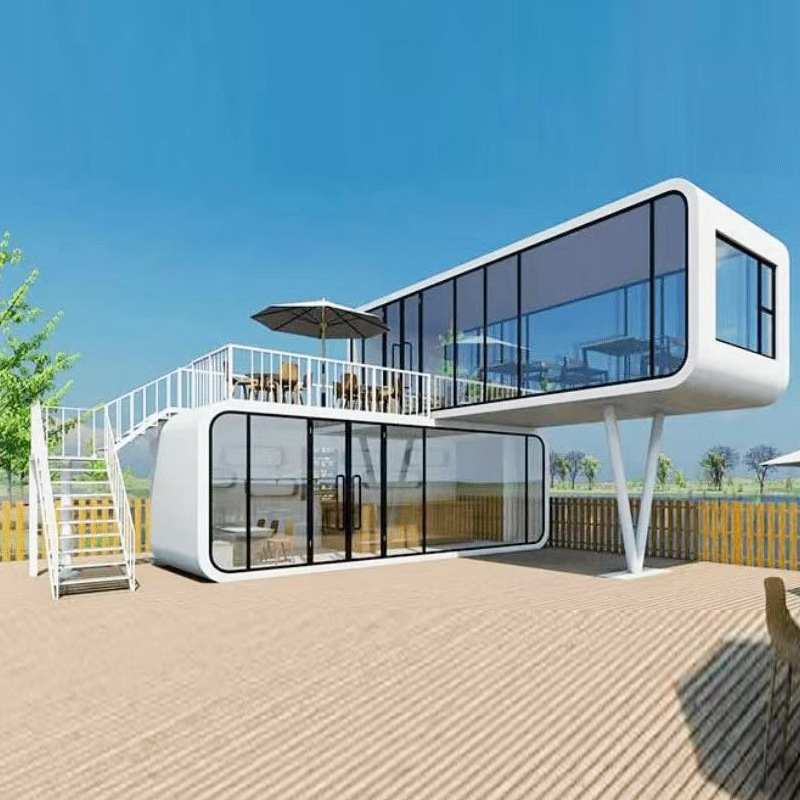
Tiny houses of the futur
Certainly! Here’s an expanded version of the point:
As the cost of living continues to rise steadily—driven by increasing prices for ho, utilities, transportation, and everyday essentials—many people find it increasingly difficult to maintain a comfortable standard of living. Wages, however, have not kept pace with these escalating expenses, resulting in a growing financial strain on households across various income levels.
In this challenging economic environment, tiny container houses have emerged as a highly attractive alternative to traditional ho. These compact, modular homes are not only significantly more affordable to build and maintain but also offer flexibility in location and design. Their smaller size translates to lower utility costs and reduced property taxes, making them an economical option for those seeking independence from conventional real estate markets.
Additionally, container houses can often be constructed quickly and sustainably, utilizing recycled materials and minimizing environmental impact. In response to the challenging economic realities of wage stagnation and the relentless rise in the cost of living, tiny container houses emerge as a resourceful and forward-thinking solution for individuals and families seeking stable and comfortable ho.
These innovative small container houses, offer an accessible and practical alternative, providing an affordable pathway to homeownership or renting without sacrificing the desired quality, comfort, or lifestyle aspirations of residents. They represent a smart choice for those seeking a comfortable and fulfilling living experience, proving that downsizing doesn’t mean compromising on the good things in life.


Comments are closed