
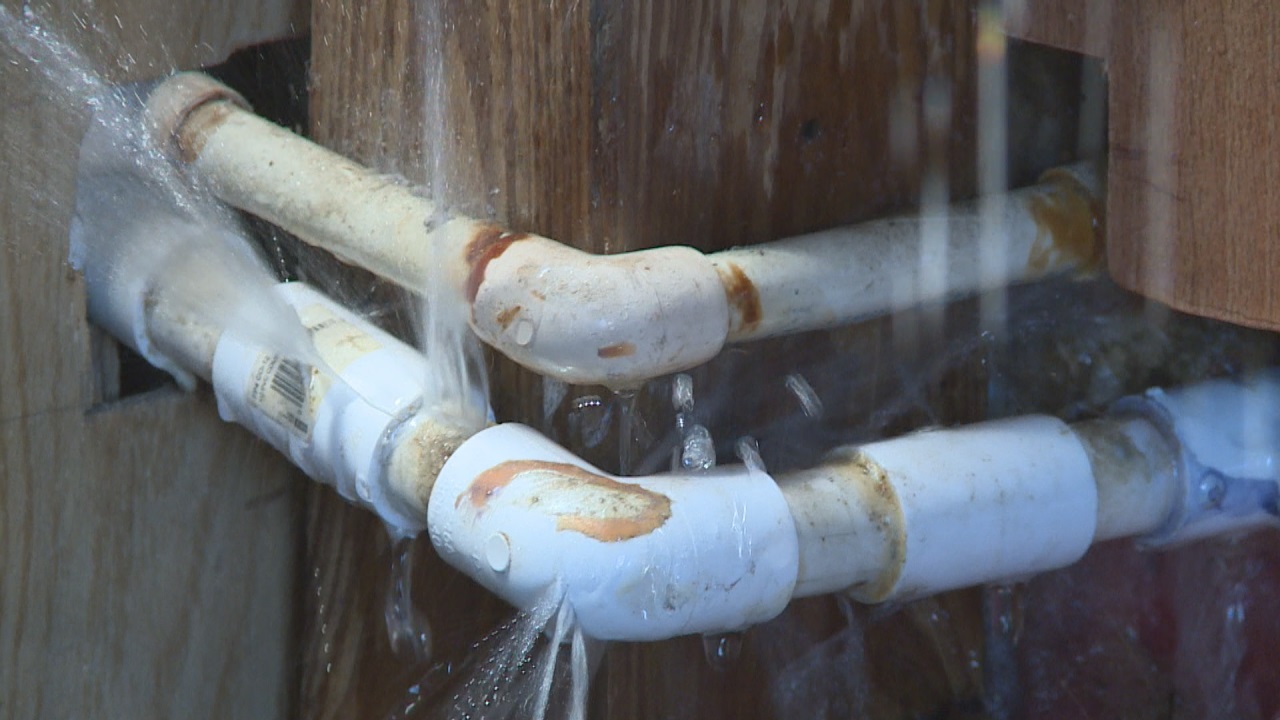
Insulating exterior plumbing of a container house is crucial for preventing the freezing of water pipes, and this necessity arises primarily from the unique physical properties of shipping containers. Containers are typically constructed from steel or other metals, materials known for their excellent heat conductivity. While this makes containers durable and structurally sound, it also means that any heat inside the container can quickly be lost through the metal surfaces, especially if the pipes are installed near or on the exterior walls. When outdoor temperatures drop, the metal container walls cool down rapidly and, consequently, so do the water pipes that run along them.
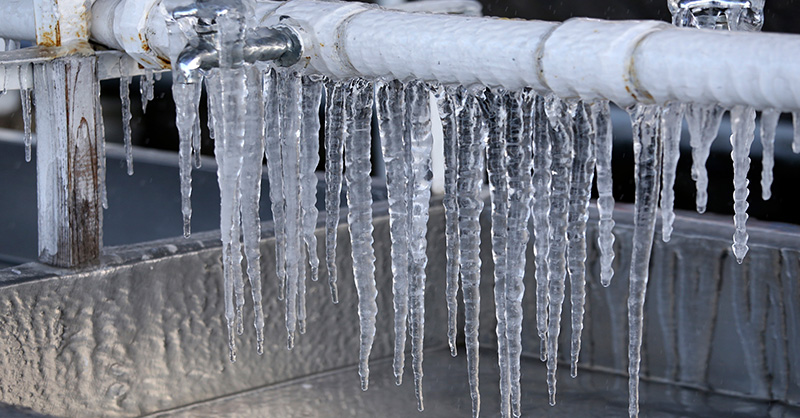
Exposure to freezing temperatures poses a serious risk to these exterior pipes because water expands significantly when it freezes. This expansion creates immense pressure inside the pipes, potentially ca them to crack or burst. Such damage not only leads to costly repair work but also risks flooding and water damage inside the container home, compromising the building’s integrity and ca inconvenience to the occupants. Additionally, frozen pipes block the normal flow of water, which disrupts daily activities like cooking, washing, and heating, leaving residents without a reliable water supply during critical cold periods.
Proper insulation addresses these challenges of Insulating exterior plumbing, by creating a thermal barrier around the pipes, which slows down heat loss and helps maintain water temperature above freezing even when air temperatures dip well below 32°F (0°C). Insulation materials such as foam sleeves, fiberglass wraps, or spray foam provide this protective layer by trapping heat and reducing the conductive heat transfer through the metal walls. In some designs, additional measures such as heat tape or heating cables may be integrated with insulation to provide active freeze protection.
Beyond preventing frozen pipes, insulating the plumbing on a container home’s exterior also contributes to overall energy efficiency. By reducing the heat loss from hot water pipes, insulation minimizes the energy needed to heat water, which can lower utility bills and reduce environmental impact. It also helps maintain consistent indoor temperatures, as less heat escapes through the plumbing system and container walls, enhancing occupant comfort during colder seasons.
This insulation becomes especially vital in geographic regions characterized by harsh winters, frequent cold snaps, or rapid temperature changes. In these environments, without adequate protection, water supply reliability can be severely compromised, and the risk of plumbing failure escalates. By investing in proper exterior pipe insulation, container homeowners ensure the durability of their plumbing infrastructure and maintain uninterrupted access to water throughout the year, safeguarding both their health and home investment.
Why go under 40 inches?
When setting up water pipes, it’s important to consider the depth at which these pipes are installed. Typically, water pipes need to be run below the frost line to prevent freezing during cold weather. In many regions, insulating exterior plumbing, this frost line is around 40 inches below ground level. Installing pipes at or below this depth helps ensure they remain insulated from freezing temperatures, which can cause pipes to burst and lead to costly damage and repairs.
Therefore, if you’re planning to install water pipes as part of your setup, you will generally have to run those pipes at depths of 40 inches or more. This means any excavation or groundwork must accommodate this depth. Trying to place pipes shallower than 40 inches in areas susceptible to freezing is usually not recommended for maintaining the integrity and longevity of your plumbing system. Additionally, going deeper than 40 inches may also be required by local building codes or regulations to comply with safety standards.
In summary, insulating exterior plumbing going under 40 inches is necessary primarily due to freezing prevention, regulatory compliance, and the long-term durability of your water supply infrastructure. Planning your installation with this depth in mind helps avoid future issues and ensures a reliable water supply.
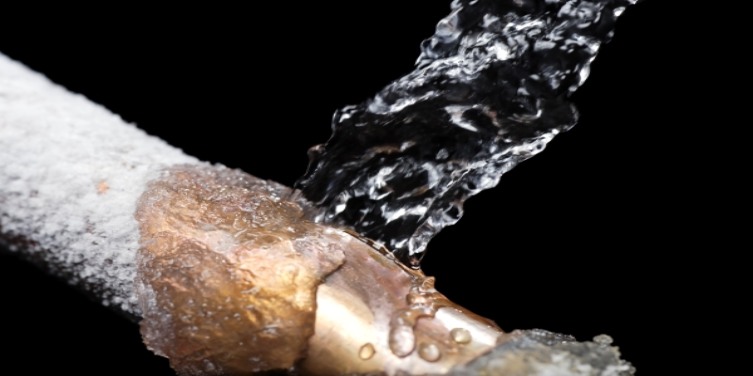
Insulating exterior plumbing with foam insulation
Certainly! Here is an expanded discussion on the problems that can arise when you do not insulate your exterior plumbing: —
Problems When Not Insulating Exterior Plumbing
1. Freezing and Burst Pipes One of the most serious risks of not insulating exterior plumbing is that the pipes are highly susceptible to freezing during cold weather. When water inside the pipes freezes, it expands and can cause the pipes to crack or burst. This can lead to significant water damage, costly repairs, and disruption of water supply to your home.
2. Increased Energy Costs Exterior pipes that are not insulated can lose heat rapidly. For hot water pipes, this means the water cools down as it travels from the water heater to your faucets, which leads to wasting energy as your heater works harder to keep water warm. Insulating these pipes helps maintain the temperature, improving energy efficiency and lowering utility bills.
3. Decreased Water Pressure and Flow Frozen or partially frozen pipes can restrict water flow, resulting in reduced water pressure or intermittent flow. This not only affects daily tasks such as washing and showering but can also strain pumps and fixtures over time.
4. Condensation Issues Uninsulated cold water pipes on the exterior can develop condensation in humid conditions. This moisture can drip onto surfaces, ca mold growth, wood rot, and deterioration of building materials near the pipes. Insulation acts as a barrier, reducing condensation and associated problems.
5. Shortened Lifespan of Plumbing System Exposure to extreme temperature fluctuations without insulation can cause wear and tear on piping materials. Over time, this can weaken joints, valves, and connections, increasing maintenance needs and reducing the overall lifespan of the plumbing system.
6. Inconvenience and Emergency Repairs When pipes freeze or burst, it often occurs unexpectedly, leading to inconvenient emergency repairs, temporary loss of water supply, and potential damage to personal property. Proper insulation helps prevent these urgent and costly situations.
7. Impact on Landscaping and Property Burst pipes on exterior walls or underground lines can lead to flooding, soil erosion, and damage to plants and landscaping features. Repairing these damages can be time-consuming and expensive. — In summary, Insulating exterior plumbing, failing to insulate your exterior plumbing exposes your home to risks such as freezing, water damage, increased energy consumption, and costly repairs. Proper insulation is a relatively low-cost investment that protects your plumbing system, conserves energy, and ensures a reliable water supply year-round.


Comments are closed