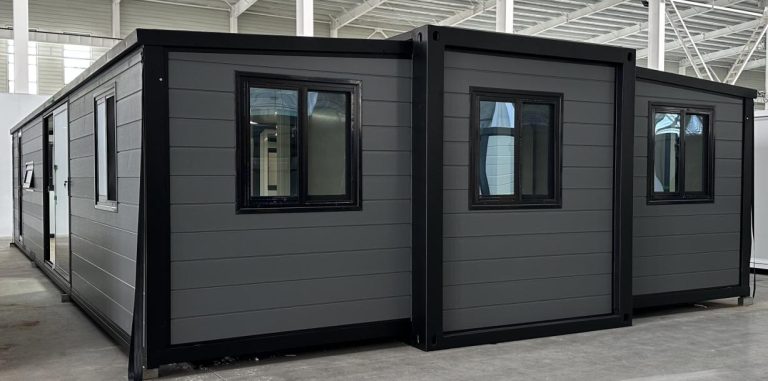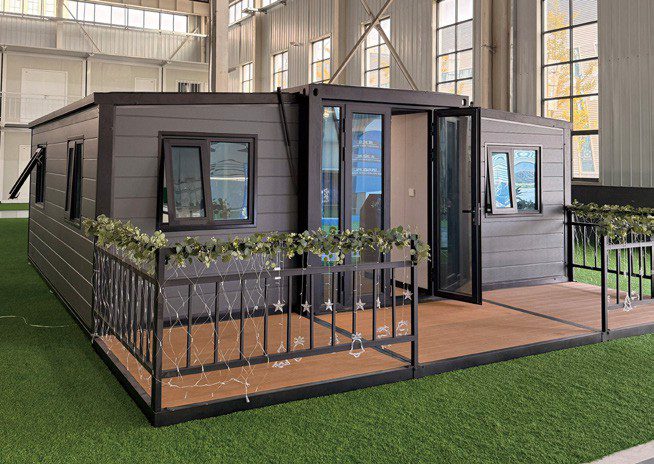
a container house
a container house
A container house? For a long time, people have been conf old, typical shipping containers with purpose-built container homes. Traditional shipping containers were originally designed for cargo transport and storage, not for habitation. As a result, these older metal containers present significant challenges when converted into living spaces.
One of the main issues is insulation: the thin metal walls offer very poor thermal resistance, leading to extreme indoor temperatures—hot in summer and cold in winter—making them uncomfortable without extensive retrofitting. Additionally, installing windows in these containers is often difficult because the structure is made of solid steel panels designed for durability and security, rather than openings.
Cutting out sections for windows can compromise the container’s integrity and requires specialized reinforcement and weatherproofing. Due to these factors, many early container homes faced problems with energy efficiency, ventilation, and natural light, which gave people the wrong impression about the viability and livability of container-based architecture. Modern container homes now address these issues with advanced insulation materials, thoughtful structural modifications, and better integration of windows and doors to create comfortable, sustainable living environments.
A container house of the futur
“In this day and age, the concept of a house being built like a container reflects modern architectural and construction trends that prioritize efficiency, sustainability, and versatility. Much like shipping containers, these homes are designed with modular construction principles, allowing for rapid assembly and scalability. The use of container-like structures often means the house is composed of standardized, durable materials that can withstand harsh conditions, making them resilient and long-lasting.
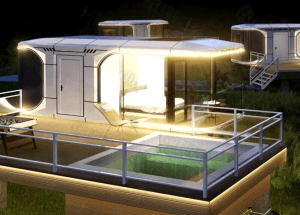
Additionally, container-style homes emphasize space optimization, compact design, and functionality, which align with contemporary lifestyle needs, particularly in urban environments where space is limited. See our capsule models. This approach also facilitates eco-friendly building practices, as many container homes repurpose actual shipping containers or use prefabricated components, reducing waste and the environmental impact of traditional construction. Overall, describing a house as ‘built like a container’ captures the essence of a modern, practical, and innovative form of living that adapts to today’s social, economic, and environmental demands.”
A Container House of the Future: Where Innovation Meets Sustainable Living*Model not yet in production
Over time, container houses have become a very interesting option when buying a new home due to their unique combination of affordability, sustainability, and modern design potential. As traditional ho costs continue to rise, many prospective homeowners are seeking more cost-effective alternatives. Shipping container homes offer a budget-friendly solution because the basic materials—the containers themselves—are relatively inexpensive and widely available. Additionally, these homes are highly customizable, allowing buyers to create personalized living spaces that reflect contemporary architectural trends.
Moreover, container houses appeal to environmentally conscious buyers. By repurposing used shipping containers, this approach promotes recycling and reduces the demand for new construction materials, which often have a significant carbon footprint. The modular nature of containers also allows for efficient construction timelines, reducing labor costs and enabling faster move-in dates compared to conventional builds.
The versatility of container homes means they can be adapted to various climates and terrains, making them suitable for urban, suburban, or even remote settings. Innovations in insulation, ventilation, and interior design have addressed earlier concerns about comfort and durability, further increasing their attractiveness as permanent residences.
Certainly! Here is an expanded version of that point:
In summary, the growing interest in container homes reflects broader shifts in ho preferences that are driven by several key factors. Affordability remains a primary concern for many homebuyers as traditional ho prices continue to rise, prompting people to seek more cost-effective alternatives. Container homes offer a relatively inexpensive way to secure personal living space without the heavy financial burden often associated with conventional construction.
Sustainability
Moreover, sustainability has become a critical consideration in today’s ho market. Consumers are increasingly conscious of environmental impact, and container homes capitalize on this by repurposing shipping containers, thereby reducing waste and the demand for new raw materials.The modular design of container homes facilitates energy-efficient construction. This characteristic allows for the easy integration of sustainable technologies like solar panels for renewable energy and rainwater harvesting systems to conserve water resources. This approach directly addresses the increasing consumer demand for environmentally conscious and sustainable living solutions.
Additionally, innovative living solutions are gaining traction as people look for flexible, customizable, and space-efficient ho options. Container homes can be tailored to individual needs, expanded vertically or horizontally, and placed in a variety of locations—including urban settings where traditional building plots are scarce. This versatility appeals to a diverse range of buyers, from young professionals and small families to retirees and entrepreneurs seeking home-office combinations.
Together, these factors contribute to container homes becoming a compelling ho option. They resonate with those who value affordability, are motivated by environmental responsibility, and appreciate contemporary design and adaptability. As societal values continue to evolve, container homes are likely to play an increasingly significant role in the future ho landscape, offering practical and forward-thinking solutions for many individuals and families looking to purchase a new home.
Ready to build your container house project?
Contact Container Houses Canada for professional guidance, product selection and turnkey support.