Moving your container house?
Moving your container house?
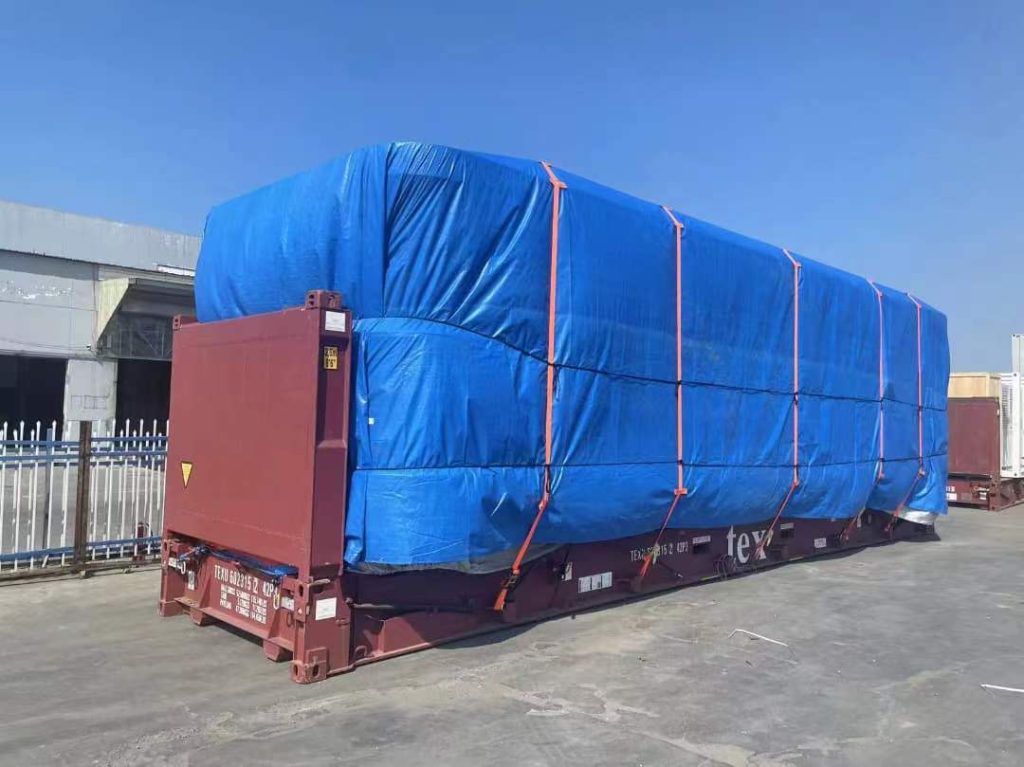
What if you have to move your container house and wonder if it is complicated?
One of the common concerns people have about container houses is the potential difficulty involved in relocating them. Unlike traditional homes, which are fixed structures built on permanent foundations, container houses are designed with mobility in mind, but moving them can still present some challenges.
1. Ease of Movement:
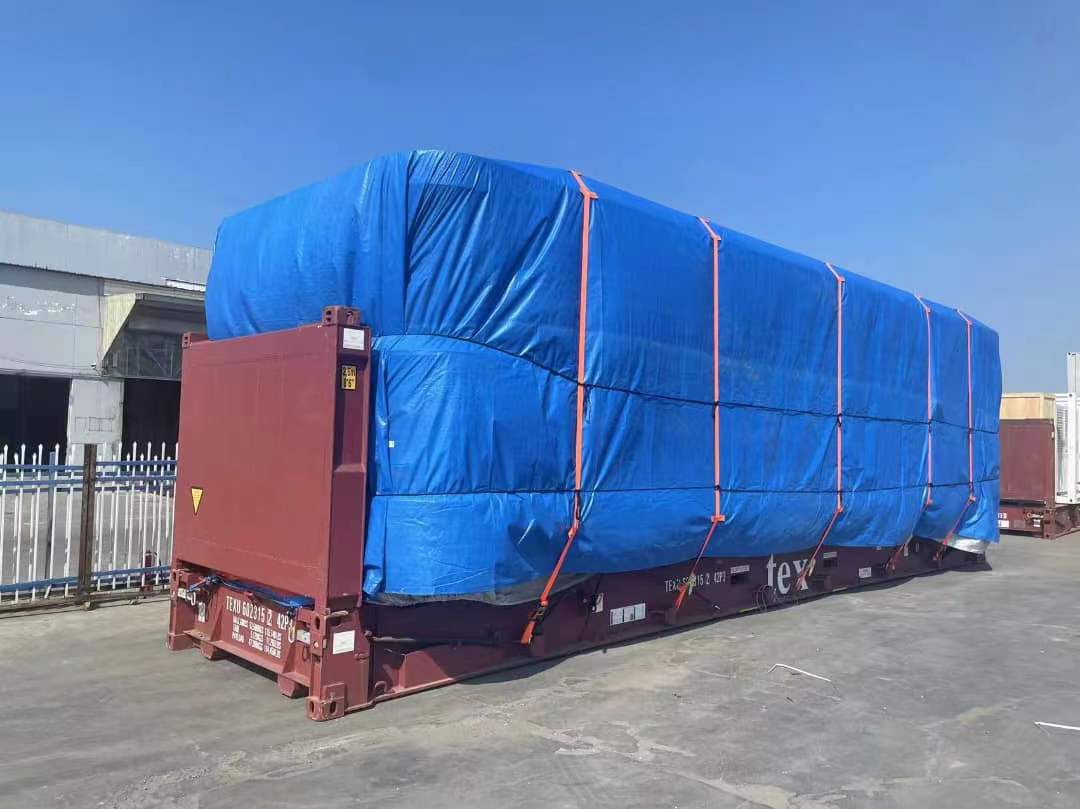
Container houses are essentially large steel boxes, making them relatively easier to transport compared to traditional homes. They can be loaded onto flatbed trucks, trailers, or even ships for relocation. The modular nature means the entire structure can often be moved in one piece or in sections, depending on the design.
2. Preparation for Moving:
Before moving, certain preparations are necessary. Utilities such as water, electricity, and sewage connections must be safely disconnected. Any additions like porches, decks, or attached landscaping may need to be dismantled or secured. Additionally, the interior must be secured to prevent damage during transit.
3. Site Considerations:
The new site for the container house must be prepared in advance, including creating a suitable foundation or support system to accommodate the container’s weight. Accessibility for transport vehicles and cranes used to unload and position the container also needs to be considered.
4. Regulatory and Permitting Factors:
Moving a container house may require permits and adherence to local building codes and zoning regulations. It’s important to check these beforehand, especially if relocating across jurisdictions or into areas with strict ho rules.
5. Cost Implications:
While moving a container house is generally less costly than relocating a traditional home, expenses can add up depending on distance, necessary site work, permits, and professional help for disassembly and reassembly.
6. Advantages of Mobility:
Despite some complexities, one of the biggest advantages of container homes is their potential mobility. This makes them ideal for people who prioritize flexibility, such as those who travel often, live in remote areas, or want to downsize their environmental impact.
In summary, moving a container house is less complicated than moving a traditional home, but it still requires careful planning and coordination. Understanding these factors in advance can help make the relocation process smoother and less stressful.
Relocating your container house
One great advantage of a container house is that it can be easily relocated, offering unparalleled flexibility compared to traditional homes. Because container houses are built within shipping containers or modular units, they are inherently designed to be sturdy and transportable. This means homeowners can move their entire living space to a new location without the need for extensive dismantling or rebuilding, which saves both time and money.
This mobility is especially beneficial for people who have jobs that require frequent relocation, such as traveling professionals or seasonal workers. It also appeals to those who wish to explore different environments or live closer to family or work at different times. Additionally, in the case of natural disasters or changing land conditions, a container house can be quickly transported to a safer or more desirable location, providing a resilient ho option.
Furthermore, the ability to relocate a container house reduces the environmental impact associated with demolishing and reconstructing homes. Instead of generating construction waste, the existing structure can be reused multiple times. This adaptability can also foster innovative approaches in urban planning and affordable ho, where container homes could be temporarily placed to meet immediate ho needs and then moved as circumstances change.
Overall, the easy relocatability of a container house represent a significant advantage that aligns with modern needs for mobility, sustainability, and cost-effectiveness in ho solutions.
Your container house can be easily relocated
Certainly! Here’s an expanded version of the point:
“Your container house can be easily relocated without compromising the structure because it is built from durable, modular shipping containers designed to withstand heavy loads and harsh conditions. Unlike traditional homes that rely on permanent foundations and complex construction methods, container houses maintain their structural integrity during lifting, transportation, and reinstallation. This mobility allows you to move your home to a different location whenever needed, whether due to lifestyle changes, work assignments, or environmental factors, all without the risks of damage or costly rebuilding. Additionally, the standardized size and shape of containers make them compatible with various transport methods, ensuring a smooth and efficient relocation process.”
Reconnecting your home.
Of course, a legitimate concern is how difficult or easy it is to reconnect your container home’s utilities and systems to its new location. This includes ensuring seamless connections for water, electricity, sewage, and any other essential services. The process should be straightforward, minimizing potential disruptions and ensuring the home is fully functional as quickly as possible.
Ready to build your container house project?
Contact Container Houses Canada for professional guidance, product selection and turnkey support.