
Modern prefabrication
Review how today’s container-style homes differ from simple recycled shipping containers.
CONTAINER HOUSE BASICS
Understand what a modern container-style prefabricated home is, how it differs from a basic shipping-container conversion, and what to confirm before ordering in Canada.
 CONTAINER HOUSE BASICS
POINTS TO REVIEW
Understand the structure, benefits, uses, preparation, and local requirements behind modern prefabricated container-style homes.
Review how today’s container-style homes differ from simple recycled shipping containers.
Compare homes, cottages, rentals, offices, retail spaces, and project applications.
Confirm zoning, foundation, utilities, access, and delivery requirements.
Connect the model, options, budget, documentation, transportation, and installation.
 PREPARE THE RIGHT QUESTIONS
BEFORE MOVING FORWARD
The exact answers depend on the property, municipality, model, and professionals involved.
What will the building be used for?
Which model dimensions fit the property?
What foundation and utilities are required?
Which municipal approvals apply?
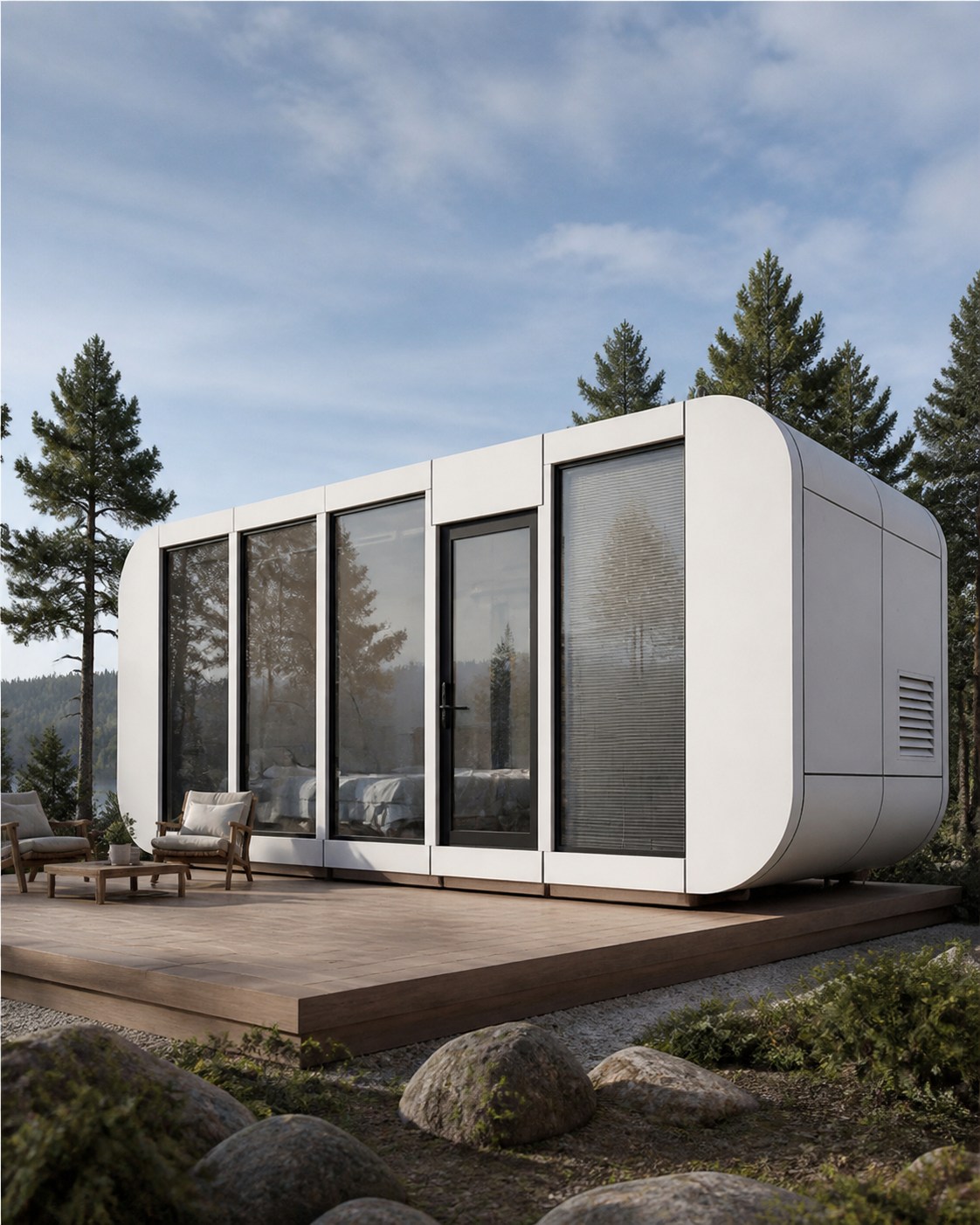
Today, the term container house can describe more than a home made by modifying a used shipping container. Many modern models are purpose-built prefabricated or modular structures that use a strong steel frame, factory-installed wall and roof systems, insulation, windows, doors, plumbing and electrical components. Their rectangular format makes them easy to transport while still allowing a wide range of layouts and finishes.
This distinction matters. A simple shipping-container conversion and a factory-built modular home may look similar from the outside, but their engineering, insulation, dimensions, construction methods and intended use can be very different. Before comparing prices, make sure you are comparing the same type of structure.
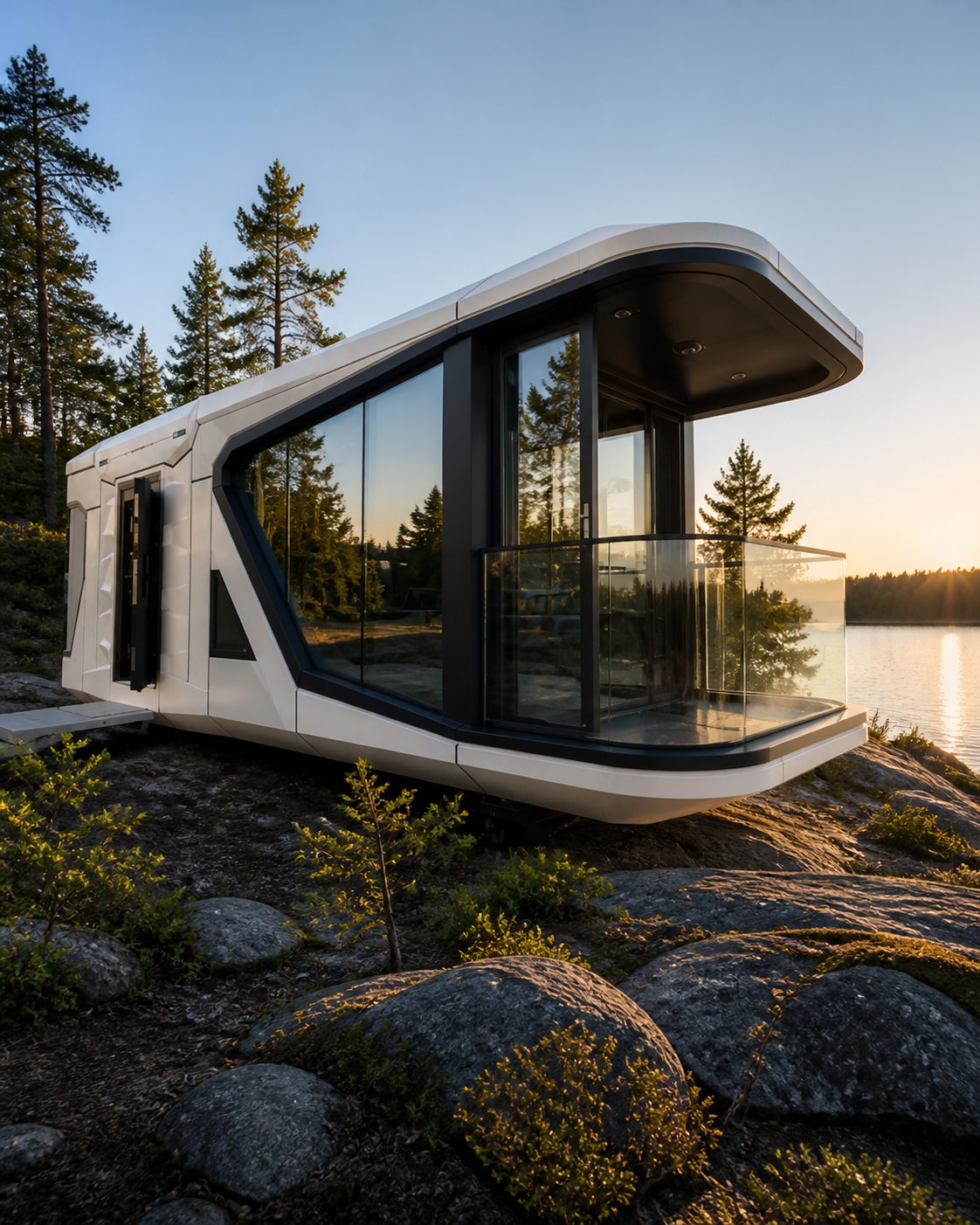
Container Houses Canada offers several prefabricated formats for different projects. Depending on the model, a unit may be designed to expand after delivery, fold for efficient transportation, use a rounded capsule-style exterior, or arrive as a more conventional modular building.
You can compare the current collections on our Container Houses page.
The home itself is only one part of a successful project. The property, municipality, foundation, utilities, transportation route and installation plan all need to work together.
They can be, provided the complete building assembly is designed for the intended location. In a steel-framed structure, insulation, air sealing, condensation control and thermal bridging are especially important. The exact requirements depend on the model, climate zone, intended occupancy and local authority.
Review our guides to container house insulation, foundation preparation and municipal regulations before deciding which model fits your property.
There is no single timeline that applies to every order. Customization, factory scheduling, inspection, vessel availability, weather, customs clearance, inland transportation and site readiness can all affect the schedule. A written quotation and confirmed order should identify the current production and delivery expectations for the selected model.
The best model is not simply the largest or least expensive one. Start by confirming what the building will be used for, how much space is required, where it will be installed and which municipal rules apply. From there, it becomes much easier to compare dimensions, layouts, options and delivery requirements.
When you are ready, review the step-by-step order process or request a written quotation for your project.
RELATED NEXT STEPS
Find collections that fit the confirmed requirements.
Explore Our Models →See how we coordinate the product, documentation, and logistics.
View Our Services →Plan property access, unloading, and installation requirements.
View Delivery Details →READY FOR A MORE PRECISE CONVERSATION
Include the model, province, municipality, intended use, and timeline.