Affordable Prefabricated Container Homes in Canada Today
Affordable Prefabricated Container Homes in Canada Today
The Rise of Prefabricated Container Homes in Canada
In recent years, prefabricated container homes have transformed from a niche ho experiment into one of the fastest-growing ho solutions across Canada. Rising construction costs, ho shortages, and growing environmental awareness have encouraged buyers to seek smarter alternatives to traditional homes. Container ho answers this demand by offering affordability, speed, durability, and modern design.
Across urban centers and rural communities alike, Canadians are discovering that container homes provide a practical path to homeownership without sacrificing comfort or style. Companies like Container Houses Canada have helped accelerate this shift by offering ready-to-install models designed specifically for Canadian climates.
This guide explores why container homes are gaining popularity, how they compare to conventional ho, and how buyers can confidently invest in this modern ho solution.
What Is a Prefabricated Container Home?
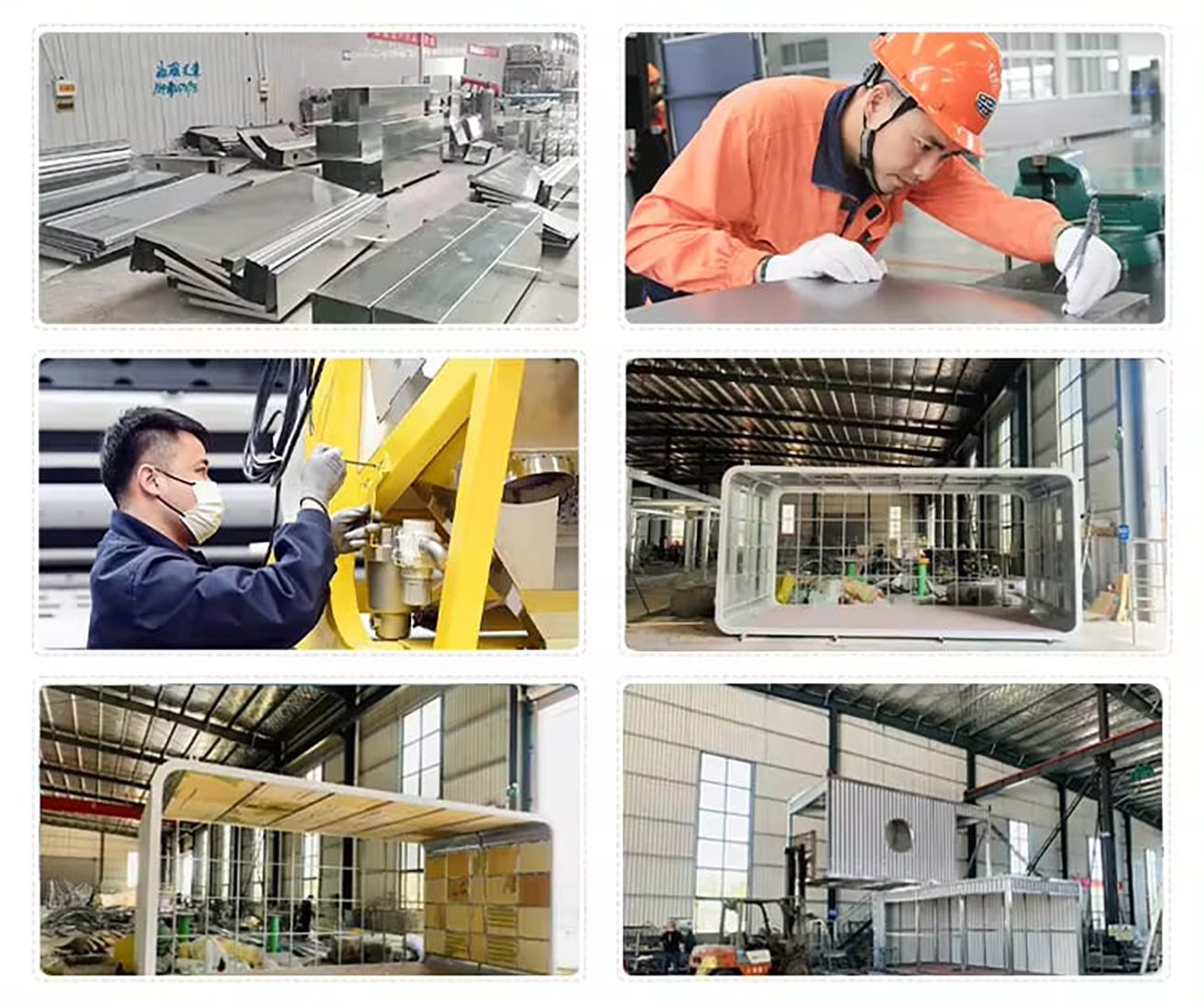
A prefabricated container home is built reinforced steel shipping containers that are converted into fully insulated residential or commercial structures. Unlike traditional construction, which happens entirely on-site, prefab container homes are manufactured in controlled facilities and delivered ready for installation.
This method offers several advantages:
- Faster construction timelines
- Lower labor costs
- Consistent quality control
- Reduced material waste
- Minimal on-site disruption
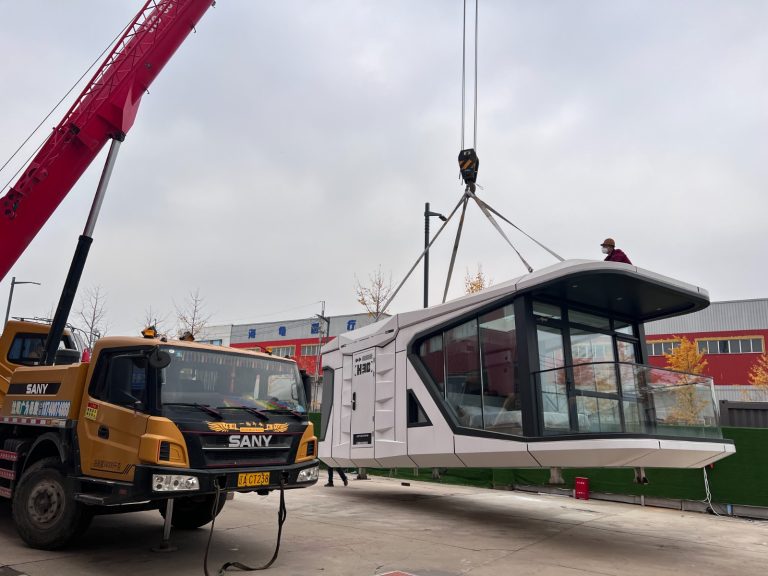
Because the structure is already built, installation can often be completed in days instead of months.
Why Container Homes Are Booming in Canada
1. Ho Affordability
Canada’s ho market has made traditional homes increasingly difficult for first-time buyers. Container homes provide a much lower entry price while still offering long-term durability.
A basic prefab container house can cost significantly less than a conventional home, especially when buyers choose modular or expandable models. This affordability opens the door for young families, retirees, and investors.
2. Speed of Installation
Traditional home construction may take 8 to 14 months or longer. Prefabricated container homes can be delivered and installed in weeks.
Because much of the construction is completed in advance, delays caused by weather, contractor availability, or material shortages are greatly reduced.
For buyers who need quick ho solutions, container homes offer unmatched speed.
3. Durability for Canadian Weather
Shipping containers are engineered to withstand extreme ocean conditions, making them incredibly strong. When properly insulated and finished, they perform exceptionally well in Canadian climates.
Quality container homes include:
- High-performance insulation
- Moisture barriers
- Reinforced roofing systems
- Energy-efficient windows
These features ensure comfort even during harsh winters and hot summers.
4. Eco-Friendly Construction
Sustainability is another reason Canadians are embracing container ho. Repurposing steel containers reduces waste and limits the need for new construction materials.
Additionally, prefab manufacturing reduces site disturbance and material waste, helping minimize the environmental footprint.
Many container homeowners also add:
- Solar panels
- Rainwater systems
- Smart energy controls
This makes container homes a smart choice for eco-conscious buyers.
Design Flexibility and Modern Living
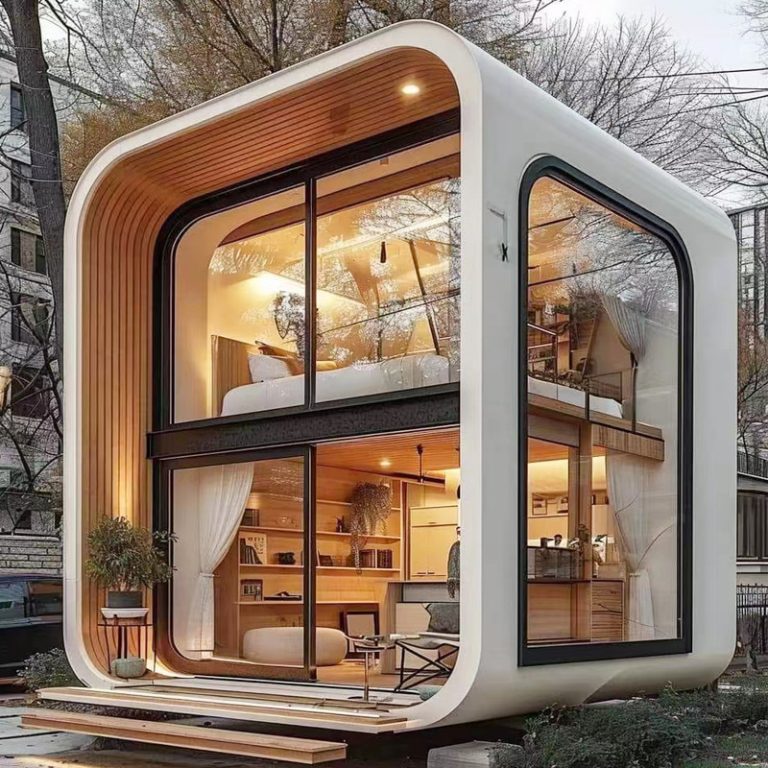
One of the biggest myths about container homes is that they are cramped or unattractive. In reality, modern container houses offer sleek, contemporary design options.
Buyers can choose from:
- Studio homes
- Family residences
- Multi-container layouts
- Luxury modular designs
- Commercial spaces
Open-concept interiors, large windows, and high ceilings can make container homes feel just as spacious as conventional houses.
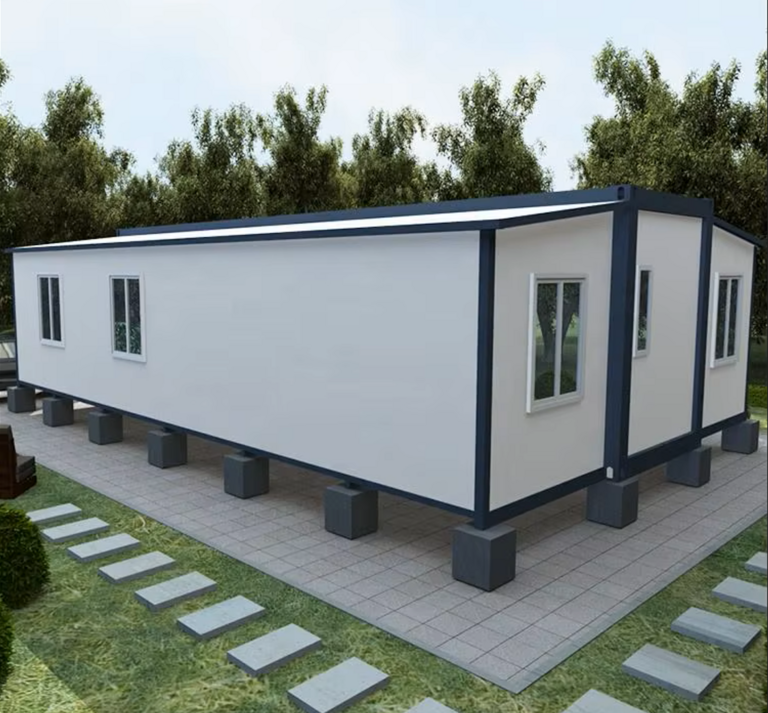
Expandable models can even double their living space once installed, offering flexibility as families grow.
Understanding Costs of Container Homes in Canada
The cost of a container home varies depending on size, features, and installation requirements.
Typical cost factors include:
Home Size and Layout
Single-container homes cost less than multi-module homes with multiple bedrooms and bathrooms.
Interior Finish Level
Standard models include essential finishes, while deluxe versions may feature upgraded kitchens, flooring, and smart technology.
Transportation and Installation
Shipping, cranes, and site preparation affect the final price.
Foundation Requirements
A solid base such as concrete pads or screw piles ensures stability and longevity.
Even with these costs, container homes usually remain far more affordable than traditional construction.
Regulations and Permits in Canada
Before purchasing a container home, buyers must ensure compliance with local building regulations.
Each municipality has different requirements related to:
- Zoning laws
- Foundation standards
- Insulation ratings
- Plumbing and electrical codes
Working with experienced suppliers helps simplify this process. Professional companies provide documentation, engineering plans, and guidance to ensure homes meet Canadian standards.
This support reduces delays and helps buyers avoid costly compliance issues.
Financing a Container Home
Financing options for prefab container homes have improved significantly in recent years. Some banks now recognize container houses as legitimate residential structures when they meet building standards.
Buyers often explore:
- Personal loans
- Construction financing
- Mortgage options for prefab homes
Financial institutions such as Royal Bank of Canada and others may support transfers, financing logistics, or staged payment processes when working with reputable suppliers.
Always discuss financing early in the process to plan your budget effectively.
Who Should Consider a Container Home?
Container ho suits a wide range of buyers:
First-Time Homeowners
Affordable entry into the ho market without long construction delays.
Investors
Rental units, vacation homes, and Airbnb properties can generate strong returns.
Remote Property Owners
Quick installation makes container homes ideal for rural or seasonal properties.
Businesses
Container structures also work well for offices, cafés, clinics, or retail spaces.
Because of their modular nature, container homes can evolve alongside your needs.
Choosing the Right Container Home Supplier
Selecting a trusted supplier is crucial. The quality of materials, insulation, and finishing work determines the home’s longevity.
Look for companies that offer:
- Canadian-climate insulation standards
- Engineering certifications
- Transparent pricing
- Shipping and customs support
- Warranty coverage
Reliable suppliers guide buyers through the entire process, from selection to delivery and installation.
This level of service ensures peace of mind and protects your investment.
Future of Container Ho in Canada
Container homes are no longer a temporary ho experiment — they are becoming a mainstream residential solution.
Several factors indicate strong future growth:
- Urban ho shortages
- Rising construction costs
- Environmental awareness
- Interest in modular architecture
- Demand for faster ho solutions
As building technology improves and financing options expand, container homes will likely become even more common across Canada.
Final Thoughts
Prefabricated container homes offer a smart alternative to traditional ho. They combine affordability, durability, speed, and modern design into one practical solution.
For Canadians seeking flexible ho, investment opportunities, or eco-friendly living, container homes provide a compelling path forward.
With the right planning, supplier, and installation strategy, a container home can deliver the same comfort and longevity as a conventional house — often at a fraction of the cost.
Ready to build your container house project?
Contact Container Houses Canada for professional guidance, product selection and turnkey support.