
Lower and Shorter Mortgages: The Smart Path to Financial Freedom
Lower and Shorter Mortgages: The Smart Path to Financial Freedom

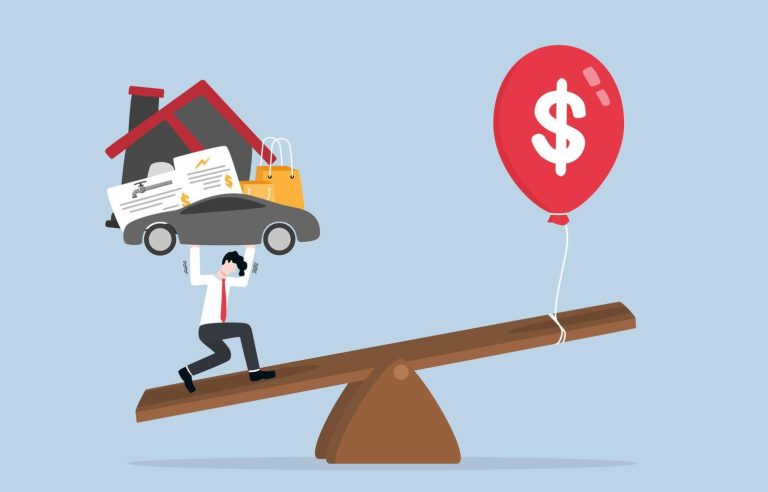
For many Canadians, a mortgage is the largest financial commitment they will ever make. While homeownership brings stability and long-term wealth potential, the structure of your mortgage determines how much you ultimately pay — and how long debt follows you.
Choosing lower and shorter mortgages can dramatically reduce total interest costs, help you build equity faster, and put you on a quicker path to financial independence. Whether you’re buying your first home or refinancing, understanding how to structure your mortgage strategically can save you tens or even hundreds of thousands of dollars.
In this guide, we’ll explore how shorter amortizations, lower interest rates, and smarter payment strategies work together to reduce your mortgage burden and improve your long-term financial health.
What Is a Lower and Shorter Mortgage?
A lower and shorter mortgage refers to:
- Lower interest rate than typical market offerings
- Shorter amortization period (for example, 15–20 years instead of 25–30)
- Higher monthly payments, but much lower total interest costs
Most traditional mortgages in Canada use a 25-year amortization. While this keeps monthly payments manageable, it also means you pay interest for decades.
A shorter mortgage compresses that timeline, reducing interest and helping you own your home outright sooner.
Why Shorter Mortgages Save You More Money
The biggest advantage of shorter mortgages is simple: interest has less time to accumulate.
Consider this example:
- $500,000 mortgage
- 5% interest rate
- 25-year amortization → roughly $372,000 interest paid
- 15-year amortization → roughly $211,000 interest paid
That’s more than $160,000 saved simply by shortening the mortgage timeline.
Even reducing your amortization by five years can significantly lower total borrowing costs.
According to the Bank of Canada, interest rate changes and borrowing structures have a major impact on long-term household debt and financial resilience.
Build Equity Faster With Shorter Terms
Equity is the portion of your home that you truly own.
With longer mortgages, much of your early payments go toward interest rather than principal. With shorter mortgages, the opposite happens — your payments reduce the loan balance much faster.
Benefits of faster equity growth include:
- Easier refinancing opportunities
- Ability to access home equity for investments or renovations
- Stronger financial security
- Protection against ho market downturns
Homeowners who build equity quickly are also less likely to face financial stress if interest rates rise.
The Canada Mortgage and Ho Corporation consistently reports that homeowners with higher equity ratios face lower financial risk and default rates.
The Psychological Advantage of Shorter Mortgages
Beyond numbers, shorter mortgages bring peace of mind.
Owning your home sooner means:
- Reduced long-term financial stress
- Greater retirement security
- More flexibility for career or lifestyle changes
- Ability to invest instead of paying interest
Many Canadians underestimate how powerful it feels to be mortgage-free in their 40s or early 50s rather than their 60s.
That freedom can shape major life decisions — from entrepreneurship to early retirement.
How Lower Rates Multiply Your Savings
While shortening your amortization reduces interest time, securing a lower interest rate amplifies savings even further.
A difference of just 0.5% can mean tens of thousands saved over the life of a mortgage.
Strategies to secure lower rates include:
- Improving your credit score
- Increasing your down payment
- Choosing shorter fixed terms
- Working with mortgage brokers who compare lenders
- Locking rates during favourable market conditions
Monitoring economic signals, such as central bank rate announcements, can help you time your mortgage decisions wisely.
You can follow Canadian interest trends here:
https://www.bankofcanada.ca/rates/
The Trade-Off: Higher Monthly Payments
Shorter mortgages usually mean higher monthly payments.
This is the main barrier for many buyers.
However, the increased payment often acts as a forced savings mechanism. Instead of paying interest to a lender, you’re building ownership in your home.
If affordability is a concern, consider hybrid approaches:
- Start with a standard amortization and make extra payments
- Increase payments gradually each year
- Use bonuses or tax refunds toward principal reduction
- Choose accelerated biweekly payments
Even small additional contributions can shave years off your mortgage.
Accelerated Payments: A Powerful Shortcut
Accelerated payment schedules are one of the easiest ways to create a shorter mortgage without formally changing amortization.
For example:
- Monthly payment = $2,000
- Accelerated biweekly payment = $1,000 every two weeks
Because there are 26 biweekly periods in a year, you effectively make one extra monthly payment annually.
This can shorten a 25-year mortgage by up to 3–4 years and save thousands in interest.
Many Canadian lenders offer accelerated options at no extra cost.
Refinancing to a Shorter Mortgage
If you already own a home, refinancing can help you transition to a shorter mortgage.
Reasons to refinance include:
- Lower interest rates available
- Increased property value
- Improved credit profile
- Desire to pay off mortgage faster
Refinancing allows you to restructure your loan without selling your home.
You can learn more about refinancing rules here:
https://www.cmhc-schl.gc.ca/consumers/home-buying/mortgages/refinancing
Shorter Mortgages and Retirement Planning
One of the strongest arguments for shorter mortgages is retirement security.
Entering retirement without a mortgage:
- Reduces fixed expenses
- Protects savings from inflation
- Allows pension income to stretch further
- Eliminates ho debt risk
Financial planners often recommend aiming to be mortgage-free before retirement begins.
A shorter mortgage helps align your ho timeline with your retirement timeline.
How to Know if a Shorter Mortgage Is Right for You
A shorter mortgage may be ideal if:
- Your income is stable and predictable
- You have strong emergency savings
- You plan to stay in your home long term
- You prioritize financial freedom over short-term cash flow
It may be less suitable if:
- Your income fluctuates significantly
- You expect major expenses soon
- You plan to move within a few years
- Cash flow flexibility is critical
The best mortgage is one that balances long-term savings with present-day stability.
Practical Strategies to Create a Lower and Shorter Mortgage
If you want to reduce your mortgage timeline, consider these steps:
1. Increase Your Down Payment
A larger down payment lowers your loan size and interest burden immediately.
2. Choose the Shortest Affordable Amortization
Even moving from 25 years to 20 years creates meaningful savings.
3. Use Lump-Sum Payments
Many mortgages allow yearly prepayments without penalties.
4. Refinance When Rates Drop
Lower interest rates can shorten your timeline without raising payments.
5. Automate Extra Contributions
Treat additional payments like a non-negotiable bill.
Small actions compound into massive long-term savings.
The Long-Term Wealth Impact
Shorter mortgages don’t just reduce interest — they change your financial trajectory.
Owning your home sooner allows you to:
- Invest more aggressively
- Build retirement savings earlier
- Reduce financial risk
- Pursue opportunities without debt pressure
Over decades, this difference can be life-changing.
A homeowner who pays off their mortgage 10 years earlier gains an entire decade of extra financial flexibility.
Final Thoughts: Pay Less, Own Sooner, Live Freer
A mortgage should help you build wealth — not drain it.
By foc on lower and shorter mortgages, Canadians can minimize interest costs, build equity faster, and achieve financial independence sooner.
Whether through shorter amortization, extra payments, or refinancing, the path to mortgage freedom is often closer than you think.
The sooner you reduce your mortgage timeline, the sooner your home truly becomes yours.
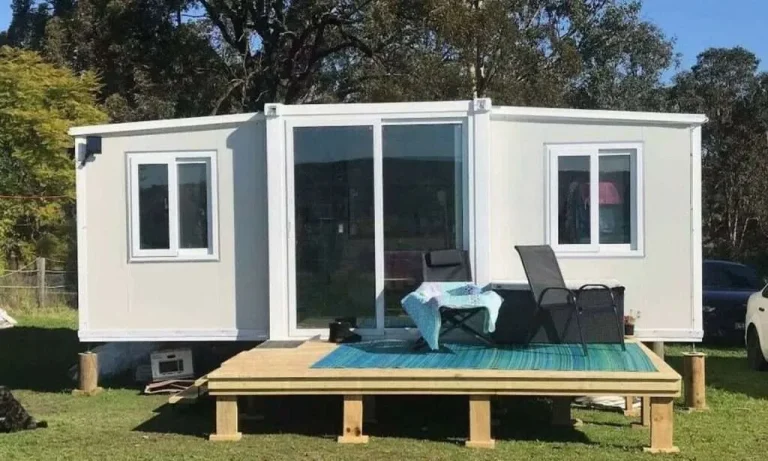
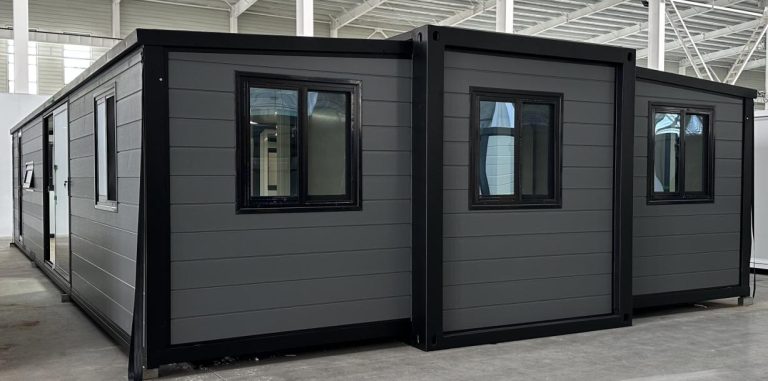
Ready to build your container house project?
Contact Container Houses Canada for professional guidance, product selection and turnkey support.