
City regulations about container houses
City regulations about container houses

Container houses are rapidly gaining popularity across Canada and worldwide. Their affordability, sustainability, and modular flexibility make them attractive alternatives to traditional ho. However, one of the most important — and often overlooked — aspects of building a container home is understanding city regulations, zoning laws, and obtaining proper permits for container houses.
Whether you plan to build in a major urban center like Montreal, a growing suburb, or a rural municipality, local rules will determine what you can build, where you can build it, and how your project must be designed. In this comprehensive guide, we explain how city council decisions, zoning bylaws, building codes, and permit processes affect container ho projects — and how you can navigate them successfully.
Why city regulations matter for container houses
Unlike traditional homes, container houses are still considered unconventional construction in many municipalities. Because they challenge standard definitions of residential structures, they often fall under multiple regulatory frameworks at once.
City regulations exist for several reasons:
- Ensuring public safety and structural stability
- Maintaining neighborhood aesthetics and planning standards
- Protecting infrastructure capacity (roads, sewage, water)
- Enforcing fire, electrical, and insulation standards
- Preserving property values and zoning balance
City officials are not necessarily opposed to container homes — but they must verify that your project meets the same standards as any conventional house.
Understanding zoning laws before planning your container home
Zoning bylaws determine what type of structure can be built in each area of a municipality. Before applying for permits, zoning approval is the first step.
Residential zoning classifications
Most cities divide land into categories such as:
- Low-density residential
- Medium-density residential
- Mixed-use zones
- Agricultural or rural zones
- Commercial or industrial zones
Some zones explicitly allow modular or prefabricated homes, while others restrict non-traditional structures.
In cities like Toronto and Vancouver, zoning regulations have evolved to accommodate innovative ho solutions, but approvals still depend on design compliance and neighborhood fit.
Minimum lot size and setbacks
Zoning laws may dictate:
- Minimum lot width and area
- Distance from property lines
- Maximum building height
- Floor-area ratio (FAR) limits
- Parking requirements
Container houses must meet the same spacing and placement rules as traditional homes.
City council approval and its role in container ho
In many municipalities, container houses fall into a category that requires additional review by planning committees or the city council.
Council involvement may be necessary when:
- The structure is considered “non-standard” ho
- A zoning variance is requested
- Multiple containers are stacked beyond normal height limits
- The design differs significantly from surrounding homes
City council hearings are not necessarily obstacles — they are opportunities to present your project clearly and demonstrate compliance with safety and aesthetic expectations.
Successful applicants often prepare:
- Architectural drawings
- Structural engineering reports
- Insulation and energy-efficiency details
- Visual renderings showing neighborhood integration
A well-prepared proposal greatly increases the chances of approval.
Building codes that apply to container houses
Even if zoning allows your project, container homes must comply with national and provincial building codes.
In Canada, most provinces follow variations of the National Building Code, overseen by organizations like the Canada Mortgage and Ho Corporation.
Key building requirements include:
Structural integrity
Shipping containers are structurally strong, but modifications like cutting windows or doors must be engineered and reinforced.
Insulation and energy efficiency
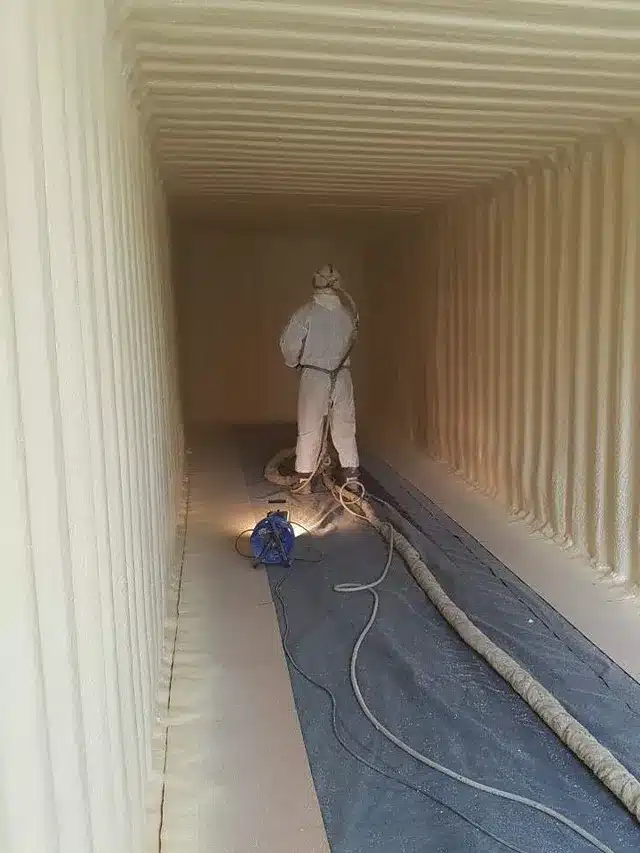
Metal containers conduct heat rapidly, so cities require proper insulation, vapor barriers, and energy-efficiency measures.
Fire safety
Container homes must meet:
- Fire-resistant materials standards
- Smoke detector placement rules
- Emergency exit requirements
Plumbing and electrical compliance
All systems must be installed by licensed professionals and inspected before occupancy approval.
Permits required for container houses
One of the most critical steps is obtaining the right permits for container houses.
Typical permits include:
1. Building permit
This verifies the structure complies with building codes, engineering standards, and safety requirements.
2. Zoning permit
Confirms the home is allowed on your chosen lot.
3. Foundation permit
Since container homes must be anchored properly, cities require inspection of footings or slab foundations.
4. Utility connection permits
Water, sewer, gas, and electrical hookups must be approved individually.
5. Occupancy permit
Issued after final inspections confirm the home is safe for habitation.
Skipping permits can result in fines, forced demolition, or inability to sell the property later.
Common challenges with container home approvals
While container homes are legal in many cities, approval processes can be slower than for conventional houses.
Misclassification as temporary structures
Some municipalities initially categorize container homes as:
- Temporary buildings
- Storage units
- Industrial structures
To avoid this, your application must clearly state that the container will be permanently modified and used as a residential structure.
Appearance and neighborhood integration
Cities often require container homes to resemble traditional houses externally.
This may include:
- Exterior siding or cladding
- Roof extensions
- Landscaping requirements
- Window proportions similar to nearby homes
These rules are intended to preserve neighborhood character rather than block container ho entirely.
Height restrictions and stacked containers
Stacking multiple containers can trigger additional structural review and zoning scrutiny.
Cities may limit:
- Total building height
- Number of stacked modules
- Balcony or rooftop additions
Working with architects familiar with container construction can simplify approval.
How to improve your chances of permit approval
Many container home projects succeed because applicants approach city regulations strategically.
Start with a pre-consultation meeting
Most planning departments offer early consultations. This allows you to:
- Confirm zoning compatibility
- Identify required permits
- Understand documentation expectations
- Avoid costly redesigns later
Use professional drawings and engineering reports
City planners are far more receptive when applications include:
- Structural engineering certification
- Detailed floor plans
- Insulation and HVAC specifications
- Site placement maps
Professional documentation signals that your project meets conventional safety standards.
Demonstrate compliance with sustainability goals
Many municipalities actively encourage eco-friendly ho solutions.
Container homes often align with:
- Waste reduction policies
- Carbon-reduction targets
- Affordable ho initiatives
Highlighting these benefits can strengthen your proposal during review.
Financing and insurance considerations tied to regulations
City approvals affect more than construction — they also impact financing and insurance.
Banks typically require:
- Approved building permits
- Code compliance certification
- Occupancy approval
Without these, lenders may refuse mortgages.
Similarly, insurers need proof that the structure meets building standards before issuing home insurance policies.
Internal resources for container home planning
To help you plan your project, explore these related guides:
- Internal link: Container home planning checklist
- Internal link: Cost breakdown of container house construction
These resources explain budgeting, design preparation, and site evaluation before applying for permits.
External resources on ho regulations
For official guidance, consult:
- National ho information from the Canada Mortgage and Ho Corporation
- Building code guidance from provincial municipal affairs departments
These sources provide authoritative information on building safety and ho regulations across Canada.
The future of city regulations for container ho
As container homes become more common, regulations are gradually evolving.
Cities are beginning to:
- Update zoning bylaws to include modular ho
- Simplify permit processes for prefabricated homes
- Encourage innovative ho to address affordability issues
- Recognize container homes as permanent residential structures
Municipalities that once rejected container homes outright are now adopting frameworks that allow them under defined standards.
This shift reflects growing recognition that alternative ho solutions are essential for sustainable urban growth.
Final thoughts: navigating city regulations successfully
Building a container house is not just about design and construction — it is about understanding and working within the framework of city regulations, planning processes, and permit requirements.
By approaching your project methodically, consulting city officials early, and preparing thorough documentation, you can transform regulatory hurdles into manageable steps.
Container houses are no longer experimental concepts. With the right permits, approvals, and compliance strategies, they can become fully legal, comfortable, and long-lasting homes in cities across Canada.
Understanding city council decisions, zoning laws, and the process for obtaining permits for container houses is the key to turning your container home vision into reality.
Ready to build your container house project?
Contact Container Houses Canada for professional guidance, product selection and turnkey support.