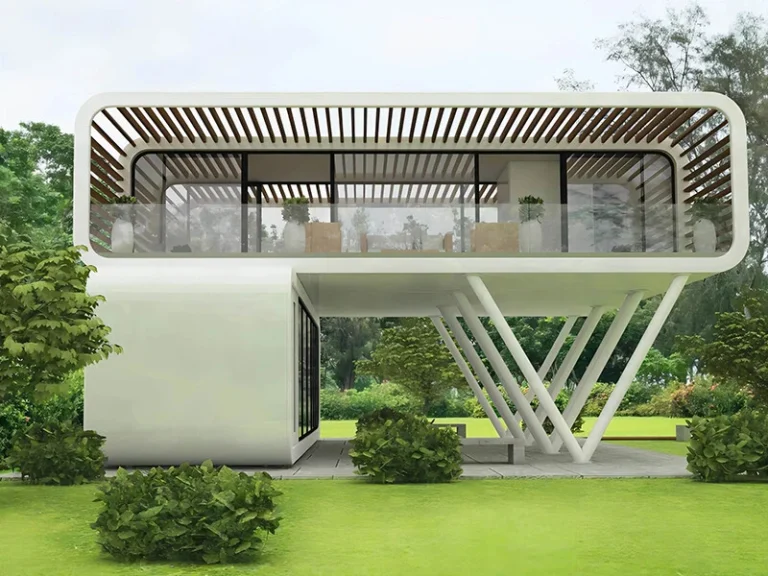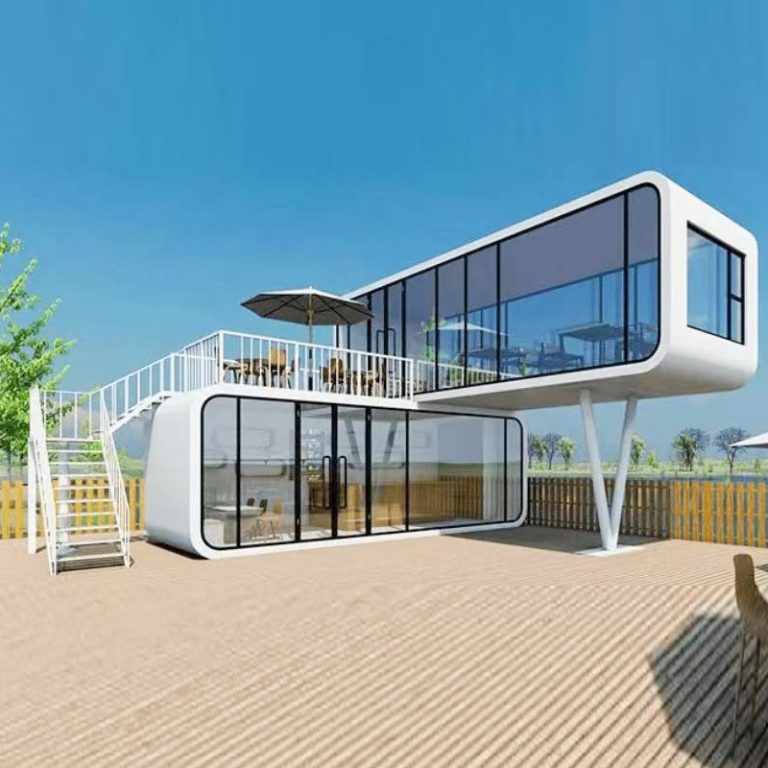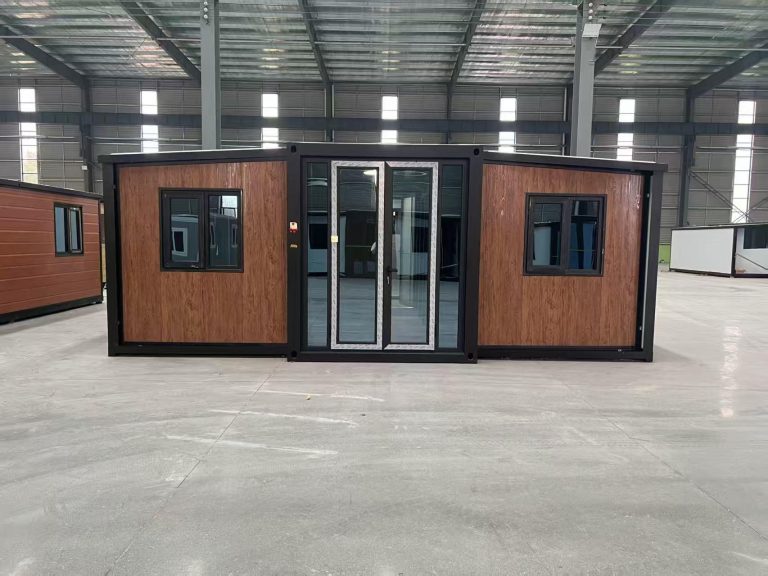

Talk to your bank and finance your new container
Talk to your bank and finance your new container

Financing a container project — whether a container home, office, retail unit, or commercial structure — often begins with one essential step: speaking with your bank. While container construction is increasingly common across Canada and beyond, financing still differs slightly from traditional home or commercial loans.
Understanding how loan structures, mortgages, installment plans, and bank requirements work will help you secure financing faster, negotiate better rates, and avoid costly delays.
This comprehensive guide explains how banks view container projects, what financing options exist, how to prepare your application, and how to structure payments in a way that fits your budget.
Why banks are becoming more open to container financing
Only a decade ago, container construction was considered experimental by lenders. Today, container homes and modular structures are recognized as legitimate forms of construction, especially when they meet building codes and include proper foundations, insulation, and permits.
Major financial institutions such as Royal Bank of Canada, Toronto-Dominion Bank, and Scotiabank now review container projects regularly.
Banks are more willing to finance when projects show:
- Permanent foundations
- Professional engineering plans
- Approved building permits
- Utility connections
- Certified electrical and plumbing work
- Comparable market values
The more your container structure resembles traditional construction in documentation and permanence, the easier financing becomes.
Understanding the different financing paths
Before speaking with lenders, it’s essential to know which type of financing best suits your project.
1. Construction loans
Construction loans fund the building phase. These loans release funds in stages as construction progresses.
Typical draw schedule:
- Land purchase or foundation stage
- Structural installation
- Utility and interior work
- Final completion
Container projects often fit well into construction loans because they are built in phases.
Banks typically require:
- Construction contract
- Project timeline
- Cost breakdown
- Inspection confirmations
This structure reduces risk for lenders and keeps projects on schedule.
2. Mortgages for completed container homes
Once the structure is completed and appraised, financing can convert into a mortgage.
Mortgage approval depends heavily on:
- Property valuation
- Location desirability
- Local resale market
- Quality of finishing
- Compliance with zoning laws
If your container project sits on owned land with permanent services, it may qualify for a standard residential mortgage.
Commercial container buildings may qualify for commercial mortgages if they generate income.
3. Personal loans for smaller container projects
For small container offices, backyard studios, or modular retail kiosks, personal loans can sometimes be faster than mortgages.
Personal loans typically offer:
- Faster approval
- Flexible usage
- Shorter repayment periods
- Higher interest rates
These loans work best for projects under moderate budgets or for temporary installations.
4. Installment financing through suppliers
Some container manufacturers offer installment plans.
These may include:
- Deposit at order
- Production-stage payment
- Delivery payment
- Final installation payment
Installment financing often complements bank loans. Many buyers use a bank loan to cover installment payments.
For example, you might finance 80% through a bank and cover the remaining portion through staged supplier payments.
How banks evaluate container loan applications
Lenders assess container projects similarly to traditional construction, but with additional focus on structure classification and resale potential.
Here are the main factors banks evaluate:
Project classification
Banks first determine whether your container is:
- Residential real estate
- Commercial building
- Temporary structure
- Mobile unit
Permanent residential or commercial structures receive the most favorable financing.
Land ownership and title
Projects on owned land are easier to finance.
Leased land can complicate financing because:
- Ownership of structure may be unclear
- Long-term value is uncertain
- Resale becomes harder
If you don’t yet own land, banks may bundle land purchase and construction into one loan.
Building permits and compliance
Banks rarely finance projects lacking permits.
They require:
- Municipal approval
- Engineering certifications
- Code-compliant insulation
- Energy-efficiency standards
In Canada, municipal approval plays a major role in financing success.
Appraisal value
An independent appraisal helps lenders determine the finished value of your container structure.
The appraisal considers:
- Comparable local properties
- Build quality
- Square footage
- Energy performance
- Location demand
If your project’s value exceeds its construction cost, approval becomes much easier.
Debt ratios and credit profile
As with any loan, your financial profile matters.
Banks review:
- Income stability
- Existing debts
- Credit score
- Employment history
- Savings and down payment
A strong financial profile can compensate for banks’ unfamiliarity with container construction.
Preparing for your first meeting with a bank
Preparation significantly improves approval chances.
Bring the following documents:
- Project plans and renderings
- Contractor quote or supplier agreement
- Estimated timeline
- Land ownership documents
- Permit applications or approvals
- Budget breakdown
- Expected completion value
Providing professional documentation reassures lenders that your project is viable.
Explaining your container project to lenders
Not all loan officers are familiar with container construction.
Clear explanations help them understand the investment.
Focus on:
- Permanent installation
- Energy efficiency
- Structural durability
- Market demand
- Insurance eligibility
Treat your project as a real estate investment rather than a novelty build.
How down payments affect financing
Down payments for container projects vary.
Typical ranges:
- Residential container homes: 10–25%
- Commercial projects: 20–35%
- Personal loans: may not require down payments
A larger down payment reduces lender risk and often improves interest rates.
Structuring your installments wisely
Installment planning determines financial comfort throughout the build.
A balanced structure typically includes:
- Deposit for manufacturing
- Mid-production payment
- Delivery payment
- Installation completion payment
Your bank loan should align with this schedule so funds are available when needed.
Choosing between fixed and variable interest rates
Interest rate structure affects long-term affordability.
Fixed-rate loans
Best for:
- Predictable budgeting
- Long-term residences
- Stable market conditions
Variable-rate loans
Best for:
- Short-term projects
- Early repayment plans
- Falling-rate environments
Discuss both options with your lender to determine which suits your financial goals.
Insurance requirements for financed container projects
Banks require proof of insurance before releasing funds.
Insurance should cover:
- Construction phase risks
- Structural damage
- Fire and weather exposure
- Liability coverage
Some insurers now specialize in modular and container properties, simplifying approval.
How to improve approval odds
Several steps increase financing success.
Work with experienced builders
Banks prefer contractors with:
- Proven project history
- Professional licenses
- Engineering partnerships
Experienced builders reassure lenders.
Demonstrate resale potential
Banks finance properties more easily when resale value is clear.
You can demonstrate this by:
- Showing comparable listings
- Presenting market demand data
- Highlighting energy savings
- Emphasizing land value
Container homes in desirable locations often appraise similarly to small traditional homes.
Keep your design practical
Overly experimental designs can worry lenders.
Focus on:
- Functional layouts
- Standard utilities
- Conventional room structures
- Energy-efficient insulation
Practical designs appear safer investments.
Financing commercial container projects
Businesses often finance container structures for:
- Retail kiosks
- Offices
- Restaurants
- Storage units
- Modular campuses
Commercial financing focuses on revenue generation.
Banks evaluate:
- Business cash flow
- Projected earnings
- Lease agreements
- Market demand
Income-producing container properties often qualify for favorable terms.
Government and sustainability incentives
Because container construction reduces material waste, some projects may qualify for green incentives.
These programs vary by region but may include:
- Energy-efficiency rebates
- Sustainable construction grants
- Reduced-interest eco-loans
Check municipal and provincial programs for opportunities.
External resource example:
https://natural-resources.canada.ca/energy-efficiency
Working with mortgage brokers vs banks directly
Mortgage brokers can access multiple lenders simultaneously.
Advantages:
- More financing options
- Competitive rates
- Specialized lenders
- Faster comparisons
Banks may offer loyalty discounts, but brokers often find niche lenders more comfortable with modular construction.
Internal resources to help your planning
For additional preparation tips, consult:
- Internal guide: https://example.com/container-project-planning
- Internal financing checklist: https://example.com/container-budget-guide
These resources help align project costs and financing expectations before approaching lenders.
Common financing mistakes to avoid
Many applicants delay approval due to preventable issues.
Avoid:
- Applying before permits are underway
- Underestimating installation costs
- Ignoring utility connection fees
- Skipping professional engineering plans
- Requesting unrealistic loan amounts
Preparation and transparency improve lender confidence.
Long-term financial benefits of container structures
Container buildings often provide:
- Lower construction costs
- Faster build timelines
- Reduced maintenance needs
- High energy efficiency
- Flexible expansion options
These advantages can make container projects financially attractive over time.
Final thoughts: financing starts with conversation
The most important step in financing your container project is simple: talk to your bank early.
A short meeting can clarify:
- Loan eligibility
- Required documentation
- Down payment expectations
- Installment structures
- Timeline feasibility
With preparation and the right financing strategy, container construction becomes not just possible — but financially smart.
Ready to build your container house project?
Contact Container Houses Canada for professional guidance, product selection and turnkey support.