
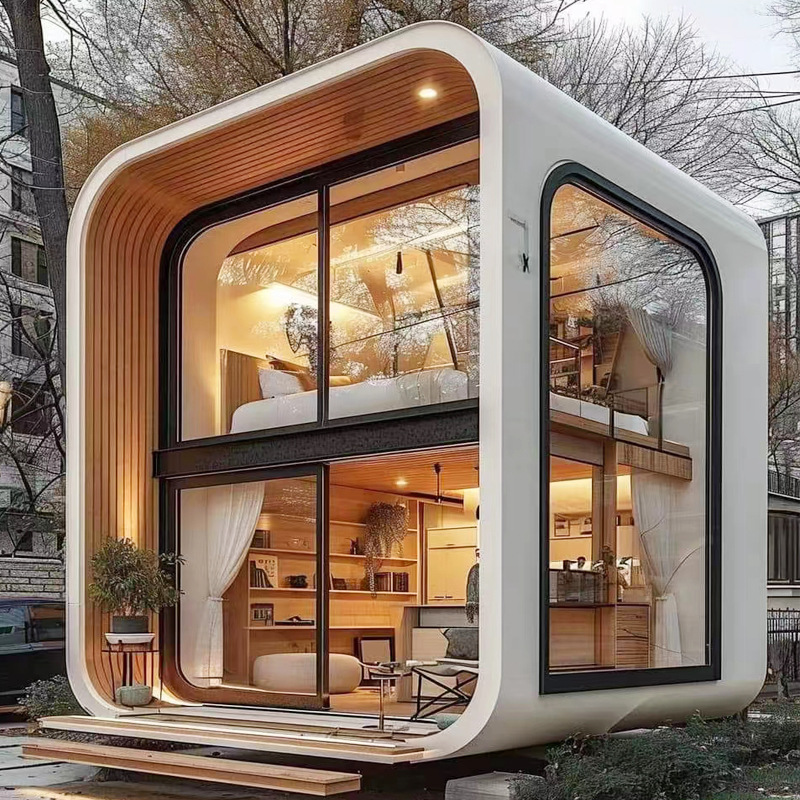
Living in smaller spaces has become a defining housing trend of the modern era. Rising housing costs, urban density, and environmental concerns are pushing many people to reconsider how much space they truly need. From micro-apartments in busy cities to minimalist cottages in rural areas, smaller living environments are no longer seen as compromises but as intentional lifestyle choices.
The concept is often linked with the growing popularity of tiny houses, compact modular homes, and efficient urban apartments. Shows like Tiny House Nation have popularized the movement, presenting small living as both financially smart and emotionally freeing. But the question remains: is living in smaller spaces truly a wise financial decision, or does it bring hidden costs and lifestyle limitations?
This article explores the advantages and disadvantages of living in small spaces, analyzing financial savings, psychological effects, environmental impact, and long-term sustainability.
The Rise of Small Spaces in Modern Life
Housing markets across the world have become increasingly expensive. In major cities, property prices have outpaced income growth for decades. As a result, many individuals and families are choosing smaller homes as a strategic response to economic pressure.
The appeal of small spaces is driven by several factors:
- High mortgage rates and rent costs
- Desire for lower monthly expenses
- Growing interest in minimalism
- Environmental awareness
- Flexible lifestyle preferences
Minimalist philosophy has also influenced the movement. Influencers like Marie Kondo encourage people to focus on meaningful possessions rather than accumulating clutter. This mindset aligns naturally with compact living, where space limitations force intentional choices.
Financial Benefits of Living in Small Spaces
Lower Housing Costs
The most obvious advantage is reduced housing expenses. Smaller homes cost less to build, purchase, or rent. Mortgage payments are lower, property taxes decrease, and maintenance costs remain manageable.
For many homeowners, this means:
- Paying off a mortgage faster
- Avoiding large renovation costs
- Reducing insurance expenses
- Lower heating and cooling bills
Utility savings can be substantial. A compact space requires less energy to maintain comfortable temperatures, making it both financially and environmentally beneficial.
Reduced Furnishing and Decoration Expenses
A smaller home naturally limits how much furniture you can buy. Instead of filling multiple rooms with sofas, cabinets, and decorations, residents tend to invest in fewer but higher-quality items.
Companies like IKEA have adapted to this trend by designing modular furniture optimized for small apartments, proving how widespread the shift toward compact living has become.
Environmental Advantages of Small Living
Living in a smaller space usually means consuming fewer resources. This aligns with global sustainability goals and climate awareness efforts.
Reduced Energy Consumption
Smaller homes require less electricity, heating, and water usage. The carbon footprint per resident decreases significantly compared to large suburban homes.
According to research from the International Energy Agency:
https://www.iea.org/reports/buildings
Energy consumption in residential buildings is strongly tied to home size and insulation efficiency.
Lower Material Use in Construction
Building a small home requires fewer materials like wood, steel, and concrete. This lowers environmental impact during construction.
For more data on sustainable housing practices, see:
https://www.unep.org/explore-topics/resource-efficiency/what-we-do/cities/sustainable-buildings
Psychological and Lifestyle Benefits
Beyond money and sustainability, small spaces often change how people live their daily lives.
Encourages Intentional Living
When storage is limited, people become more selective about possessions. This can reduce clutter, stress, and decision fatigue.
Many residents report feeling:
- More organized
- Less overwhelmed by cleaning
- More focused on experiences rather than possessions
Minimalist lifestyles emphasize freedom from material excess, allowing residents to invest more time in relationships and hobbies.
Strengthens Family Interaction
In smaller homes, family members naturally spend more time together. Shared spaces encourage communication and interaction.
This can strengthen relationships, especially when design solutions provide privacy through smart layouts.
Challenges of Living in Small Spaces
Despite the benefits, compact living is not without drawbacks.
Limited Storage and Privacy
A small home may lack storage for seasonal items, hobbies, or large appliances. Families with children may struggle with noise and privacy issues.
Remote workers often find small apartments challenging because they lack dedicated office space.
Potential Social Limitations
Hosting guests becomes more difficult in compact homes. Social gatherings may require external venues, which can add costs.
For people who value entertaining, small living may feel restrictive.
Hidden Financial Costs
While smaller homes reduce many expenses, they may introduce new ones.
Custom Storage Solutions
To maximize space, residents often invest in:
- Built-in storage systems
- Convertible furniture
- Space-saving appliances
These items can be more expensive than standard furniture.
Location Trade-Offs
Many small apartments are located in urban centers where property prices are high per square meter. While total cost is lower, price per square foot can be higher.
Urban living may also include:
- Higher parking costs
- Transit expenses
- City taxes
Small Spaces and Mental Health
Living in compact environments can have mixed psychological effects.
Positive Impacts
- Less cleaning stress
- Reduced financial pressure
- Stronger focus on lifestyle priorities
Negative Impacts
- Feeling cramped or confined
- Limited personal space
- Difficulty separating work and rest areas
Good design can mitigate these issues. Natural light, multifunctional furniture, and open layouts significantly improve comfort.
For design ideas, see:
https://www.archdaily.com/tag/small-houses
Small Spaces vs Tiny Houses
While often grouped together, small apartments and tiny houses represent different lifestyles.
Tiny houses typically involve:
- Mobile or modular construction
- Off-grid living options
- Minimalist philosophy
Small apartments, on the other hand, usually emphasize urban convenience rather than independence.
The Tiny House movement gained popularity partly through media exposure and sustainable design discussions. Academic research from the Journal of Urban Affairs explores this trend:
https://onlinelibrary.wiley.com/journal/14679906
Who Benefits Most from Small Living?
Living in small spaces tends to work best for:
- Young professionals
- Couples without children
- Digital nomads
- Retirees seeking simplicity
- Environmentally conscious individuals
Families with multiple children or home-based businesses may find larger spaces more practical.
Internal Resources for Further Reading
If you want to explore alternative housing and smart living ideas, check these resources:
- https://containerhousescanada.ca/container-house-benefits
- https://containerhousescanada.ca/tiny-home-investment-guide
- https://containerhousescanada.ca/modular-housing-costs
- https://containerhousescanada.ca/sustainable-home-design
These guides cover practical financial strategies, housing innovations, and eco-friendly design solutions.
The Future of Housing: Smaller, Smarter, Flexible
Urban planning trends indicate that smaller homes will continue gaining popularity. As cities grow denser and sustainability becomes a priority, efficient housing designs will play a crucial role.
Developers are already investing in:
- Modular housing systems
- Micro-apartments
- Flexible co-living spaces
- Smart storage architecture
Technology also supports compact living. Smart home systems allow lighting, temperature, and appliances to be controlled efficiently, maximizing comfort even in limited spaces.
Final Verdict: Good or Bad?
Living in smaller spaces is neither universally good nor bad. It depends on personal priorities, lifestyle needs, and long-term goals.
It’s a good choice if you want:
- Lower expenses
- Less maintenance
- Environmental responsibility
- Financial flexibility
It may be challenging if you need:
- Privacy and quiet space
- Room for large families
- Frequent entertaining space
- Extensive storage
Ultimately, the best housing choice balances financial savings with emotional comfort. A smaller home can be a powerful tool for financial independence and sustainable living — but only when it aligns with your lifestyle.