Looking for a Better Solution for Your Next Home?
Looking for a Better Solution for Your Next Home?
Are you looking for a better solution for your next home? With rising real estate prices, increasing construction costs, and a growing demand for sustainable living, more Canadians are turning toward innovative ho options. One solution gaining momentum is the container house — a modern, efficient, and surprisingly comfortable alternative to traditional builds.
Across Canada, buyers are discovering that a container home delivers flexibility, affordability, and design freedom without compromising quality. Whether you are considering downsizing into a minimalist lifestyle, investing in rental properties, or building your family’s primary residence, container ho presents a compelling opportunity.
In this comprehensive guide, we will explore why container homes are transforming the ho landscape, how they compare to traditional homes, financial advantages, sustainability benefits, and why containerhousescanada.ca is becoming a trusted source for quality builds.
Why Canadians Are Rethinking Traditional Ho
The Canadian ho market has experienced unprecedented price growth in cities like Toronto, Vancouver, and Montreal. For many families, the dream of owning a detached home is increasingly out of reach.
Traditional home construction also involves:
- Long construction timelines (6–12 months or more)
- Weather delays
- Expensive labor
- High material waste
- Increasing interest rates
This reality has pushed many buyers to explore alternatives such as tiny houses and container homes — options that provide faster build times and lower total investment.
What Is a Container House?
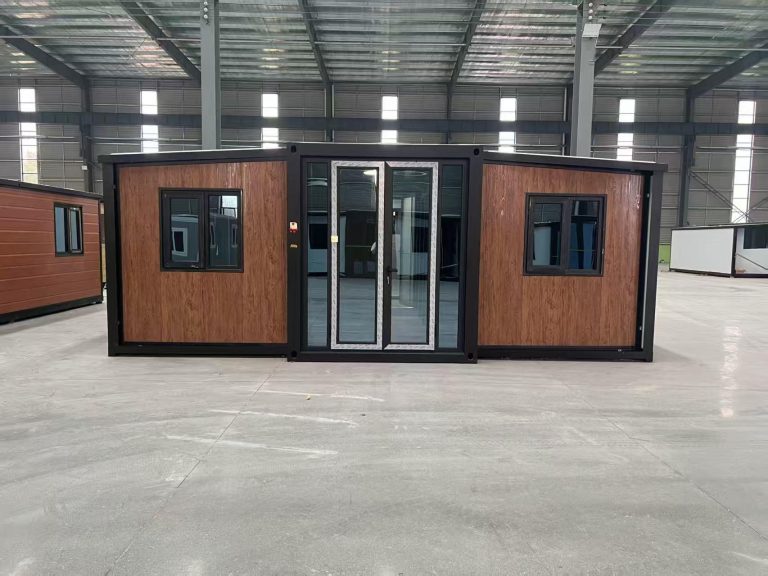
A container house is a residential structure built repurposed steel shipping containers. Originally designed for global freight transport, these containers are engineered to withstand extreme weather, heavy loads, and long ocean voyages. That durability makes them ideal for residential construction.
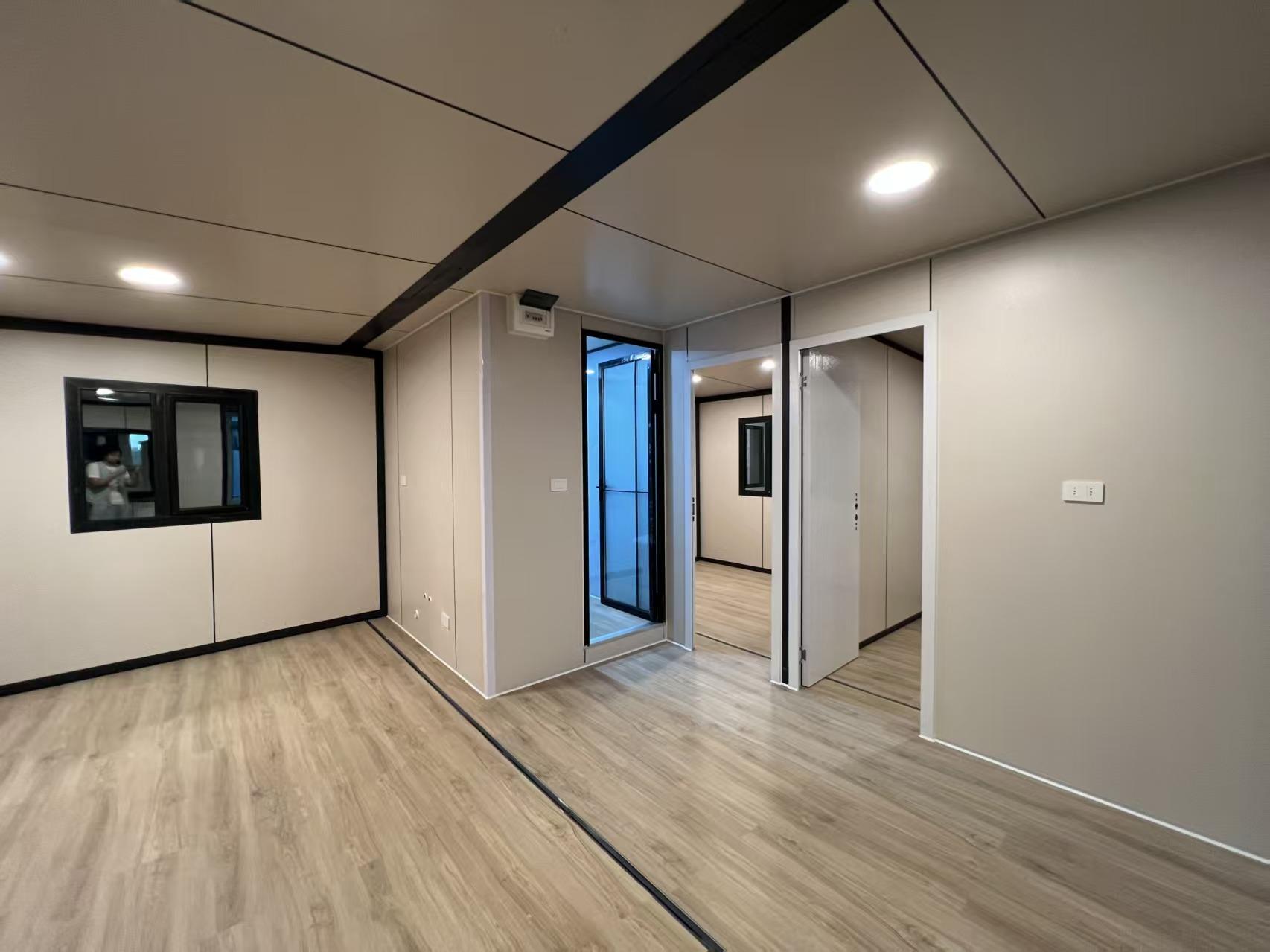
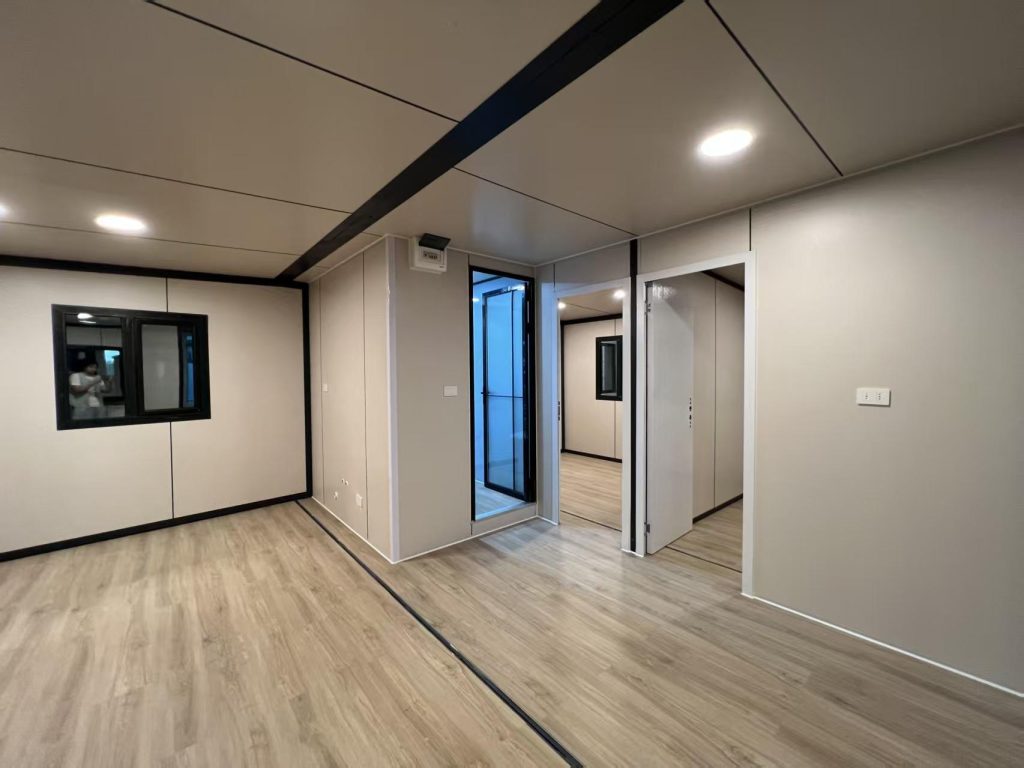
But modern container homes are far more than simple steel boxes. Today’s designs include:
- Fully insulated walls for Canadian winters
- Modern kitchens and bathrooms
- Energy-efficient windows and doors
- Custom layouts
- Multi-container expansions
A container home can range from a compact 320-square-foot unit to multi-container luxury residences exceeding 1,500 square feet.
Why a Container Home Makes Financial Sense
1. Lower Initial Cost
One of the biggest reasons people are looking for a better solution for their next home is affordability. A container home typically costs significantly less per square foot compared to conventional construction.
Savings come from:
- Reduced material waste
- Faster build timelines
- Lower labor costs
- Factory-based production models
This makes container ho attractive for first-time buyers and investors alike.
2. Faster Construction Timeline
Traditional homes can take months to complete. Container homes, especially modular builds, can often be delivered within weeks once permits are approved.
Because much of the construction occurs off-site in controlled environments, weather delays are minimized — a major advantage in Canadian climates.
3. Reduced Financing Pressure
With lower total project costs, buyers often:
- Require smaller mortgages
- Reduce interest paid over time
- Lower monthly ho expenses
For Canadians seeking financial stability, container homes provide a practical alternative.
Sustainability: A Smarter Environmental Choice
Environmental awareness continues to influence ho decisions. Organizations like Canada Green Building Council promote sustainable building practices across the country.
Container homes support sustainability in several ways:
Reuse of Materials
Repurposing shipping containers prevents large steel units from becoming industrial waste.
Reduced Construction Waste
Traditional home construction generates significant landfill waste. Modular container builds minimize off-cuts and discarded materials.
Energy Efficiency
With proper insulation and design, container homes can meet high energy performance standards. Resources like Natural Resources Canada provide guidance on energy-efficient building practices that apply equally to container structures.
Solar Integration
Many container homeowners incorporate solar energy systems. For additional insight on renewable energy, visit the International Energy Agency at https://www.iea.org.
Design Flexibility: More Than Just Tiny Houses
While often grouped with tiny houses, container homes offer far greater flexibility.
Single-Container Tiny Home
Perfect for:
- Guest houses
- Rental units
- Backyard offices
- Seasonal cottages
Multi-Container Family Home
By combining multiple containers, homeowners can create:
- Open-concept living spaces
- Multiple bedrooms
- Two-story layouts
- Rooftop terraces
Architectural creativity is one of the most exciting aspects of container ho.
For modern container ho design inspiration, explore platforms like ArchDaily at https://www.archdaily.com.
Structural Strength for Canadian Weather
Shipping containers are built from Corten steel, designed to withstand harsh marine environments. When properly modified and reinforced, they perform exceptionally well in:
- Heavy snow loads
- High winds
- Coastal climates
- Temperature fluctuations
With professional insulation and engineering, container homes are suitable across Canada — from the Atlantic provinces to Western Canada.
Zoning and Permits in Canada
Before building a container home, it is essential to verify local zoning regulations. Each municipality has unique requirements regarding:
- Minimum square footage
- Foundation types
- Utility connections
- Setback distances
Resources like the Canadian Mortgage and Ho Corporation provide helpful guidance on ho regulations and financing considerations.
Working with experienced providers such as containerhousescanada.ca can simplify this process by ensuring designs meet building code standards.
Internal Resources to Help You Decide
If you’re exploring your options, these internal guides may help:
- Learn about modern designs and layouts: https://containerhousescanada.ca/new-container-houses
- Explore foldable and modular models: https://containerhousescanada.ca/foldable-models
- Discover investment opportunities: https://containerhousescanada.ca/investment-guide
- Understand utility connections and plumbing: https://containerhousescanada.ca/connecting-utilities
These resources offer deeper insight into the flexibility and practicality of container homes.
Investment Potential of Container Homes
A container home is not only a residence — it can also be a smart investment.
Rental Income
With platforms like Airbnb, short-term rentals have become increasingly popular. Unique container homes often stand out in competitive markets.
Secondary Dwelling Units
Many homeowners add container units as:
- Garden suites
- In-law suites
- Rental additions
Vacation Properties
Container homes are ideal for:
- Lakeside retreats
- Mountain cabins
- Off-grid cottages
Their durability and transportability make them excellent choices for remote locations.
Customization and Modern Comfort
Today’s container houses are equipped with:
- Full kitchens
- Standard-size appliances
- Washer and dryer setups
- Modern bathrooms
- Smart home systems
A container home does not mean sacrificing comfort. In fact, many owners appreciate the sleek, contemporary aesthetic.
Comparing Container Homes to Traditional Builds
| Feature | Traditional Home | Container Home |
|---|---|---|
| Build Time | 6–12+ months | Weeks to a few months |
| Cost per Sq Ft | Higher | Lower |
| Waste | Significant | Minimal |
| Sustainability | Moderate | High |
| Flexibility | Moderate | High |
For buyers looking for a better solution for your next home, container ho clearly checks many important boxes.
Tiny Houses vs. Container Homes
While both fall under alternative ho categories, there are distinctions:
Tiny Houses
- Often wood-framed
- Built on trailers or foundations
- Extremely compact
Container Homes
- Steel-framed modular units
- Easily expandable
- Structurally robust
If durability and expandability matter, container homes often have the advantage.
Off-Grid Possibilities
Container homes adapt well to:
- Solar energy systems
- Rainwater collection
- Composting toilets
- Battery storage systems
This makes them ideal for rural or semi-remote Canadian properties.
Addressing Common Concerns
Are Container Homes Safe?
Yes — when professionally modified and engineered. Structural reinforcements ensure safety and compliance with building codes.
Do They Rust?
Proper coating and maintenance prevent corrosion.
Are They Cold in Winter?
With spray foam insulation and thermal breaks, container homes perform effectively in Canadian winters.
Who Should Consider a Container House?
You may benefit from a container home if you are:
- A first-time homebuyer
- An investor
- A downsizer
- A retiree
- An eco-conscious homeowner
- Someone seeking faster move-in timelines
The Growing Popularity of Alternative Ho
The demand for alternative ho is not a passing trend. Rising costs, environmental awareness, and evolving lifestyle preferences continue to reshape ho markets worldwide.
Canada is no exception.
Container ho aligns perfectly with:
- Financial responsibility
- Sustainability goals
- Design innovation
- Practical living
Why Choose containerhousescanada.ca?
When evaluating suppliers, experience and quality matter.
Containerhousescanada.ca focuses on:
- Professionally engineered builds
- Canadian climate adaptation
- Modern layouts
- Transparent pricing
- Customizable options
Choosing a reputable provider reduces stress and ensures your container home meets local regulations and performance expectations.
Final Thoughts: Is This the Better Solution?
If you are looking for a better solution for your next home, the container house model deserves serious consideration.
It offers:
- Lower costs
- Faster build timelines
- Environmental benefits
- Modern aesthetics
- Flexible layouts
- Investment potential
For many Canadians, a container home represents not just a ho alternative — but a smarter path toward ownership, stability, and long-term value.
As ho markets evolve and sustainability becomes increasingly important, container homes stand out as a practical and forward-thinking solution.
Your next home doesn’t have to follow traditional rules. It can be innovative, efficient, and designed around your lifestyle.
And that might be the better solution you’ve been looking for.
Ready to build your container house project?
Contact Container Houses Canada for professional guidance, product selection and turnkey support.