
Prefab Container Houses: The Future of Modern Living
Across the world — and especially in countries like Canada — ho trends are shifting toward smarter, faster, and more sustainable solutions. Rising construction costs, long building timelines, and growing environmental concerns have pushed homeowners and developers to explore alternative ho options. Among the most innovative solutions available today are prefabricated container style houses.
These homes combine industrial strength with modern design, sustainability with affordability, and speed with customization. Once used exclusively for global shipping, steel containers have evolved into a revolutionary building material that is reshaping how we think about residential construction.
In this guide, we’ll explore what prefabricated container style houses are, how they’re built, their advantages, costs, design flexibility, and why they represent one of the most exciting ho trends of the decade.
What Are Prefabricated Container Houses?
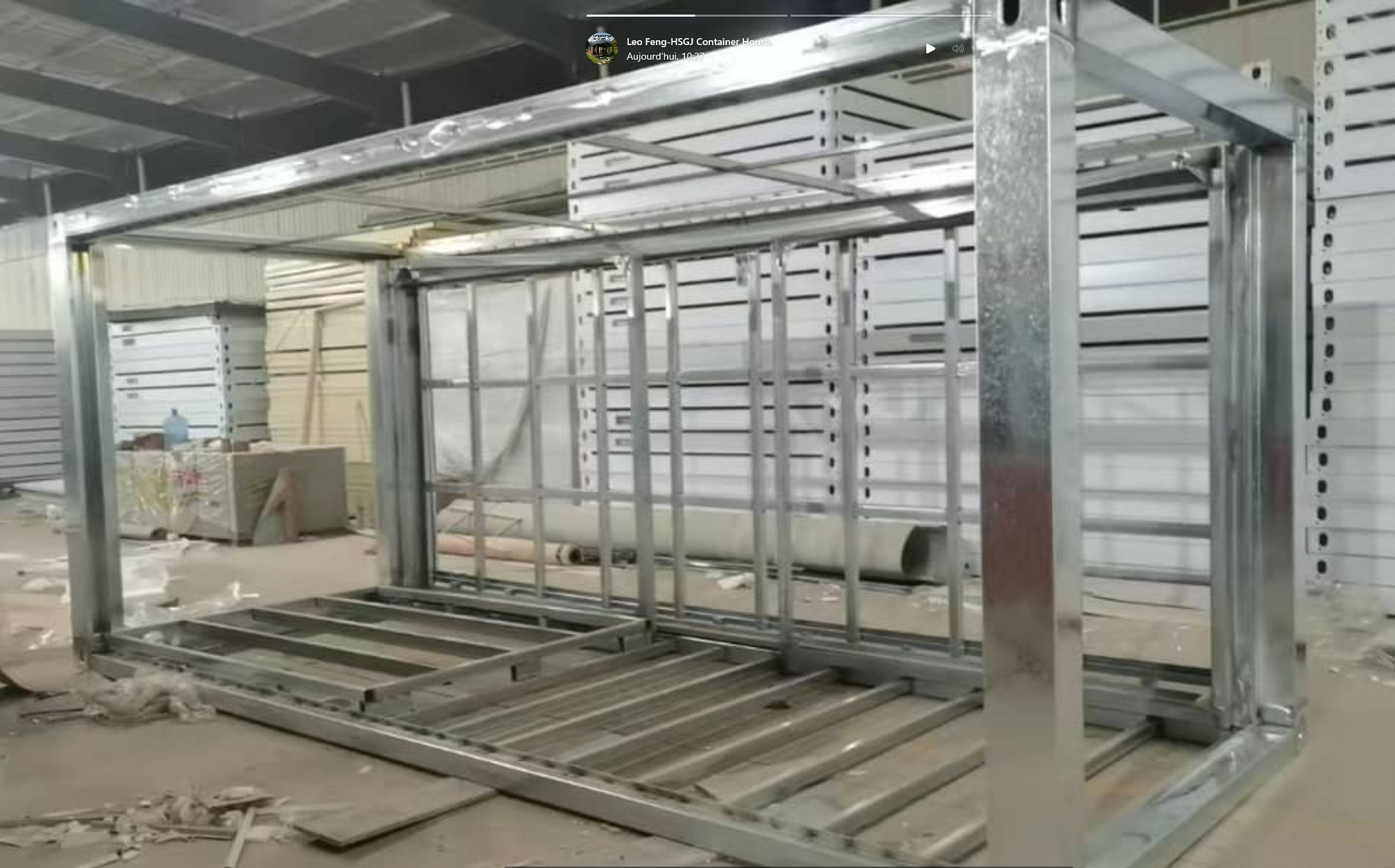
Prefabricated container style houses are homes manufactured primarily from steel shipping containers that are converted into livable spaces in a factory before being delivered to a building site.
Unlike traditional construction, which happens entirely on location, prefabricated homes are built in controlled environments. Walls, insulation, plumbing, wiring, flooring, windows, and interior finishes are installed beforehand. Once completed, the modules are transported and assembled quickly on-site.
This approach offers multiple advantages:
- Faster construction timelines
- Reduced labor costs
- Greater quality control
- Less material waste
- Improved durability
These homes can be single-container units, multi-container residences, stacked modular buildings, or luxury architectural homes.
Why Prefabricated Container Style Houses Are Growing in Popularity
1. Faster Construction Time
Traditional homes often take 8–18 months to complete. Prefabricated container style houses can be built in as little as 8–12 weeks depending on customization and shipping time.
Because most work is completed indoors in a factory, weather delays are minimized and construction schedules become far more predictable.
For buyers wanting to move quickly or investors planning rental properties, this time advantage is significant.
2. Lower Construction Costs
One of the strongest appeals of prefabricated container style houses is affordability.
While costs vary depending on size, finishes, and customization, container homes typically cost:
- 20–40% less than traditional homes
- Less labor due to prefabrication
- Reduced foundation requirements
- Lower material waste
These savings make container homes especially attractive to first-time buyers, retirees, and property investors.
3. Exceptional Durability
Shipping containers are built to withstand harsh ocean conditions, heavy loads, and decades of use. Their steel structure offers natural resistance to:
- Strong winds
- Heavy snow loads
- Pests
- Mold
- Fire damage
When properly insulated and finished, prefabricated container style houses can last as long as — or longer than — conventional homes.
4. Sustainability and Eco-Friendliness
Sustainability is a major reason many buyers choose container homes.
Benefits include:
- Recycling existing steel containers
- Reduced construction waste
- Smaller environmental footprint
- Energy-efficient insulation options
- Compatibility with solar panels and green systems
For environmentally conscious homeowners, prefabricated container style houses represent a practical way to reduce their impact while still enjoying modern comfort.
Design Flexibility and Modern Architecture
One common misconception is that container homes look industrial or box-like. In reality, prefabricated container style houses can be designed in almost any architectural style.
Popular Design Options
Minimalist Modern Homes
Clean lines, large glass windows, and open layouts create stylish contemporary residences.
Multi-Container Family Homes
Multiple containers can be combined to form spacious homes with:
- 2–5 bedrooms
- Full kitchens
- Open living spaces
- Home offices
- Garages
Luxury Container Residences
High-end finishes, rooftop terraces, smart home technology, and designer interiors allow container homes to compete with luxury traditional properties.
Compact Tiny Homes
Single-container units offer efficient living spaces perfect for:
- Vacation properties
- Guest houses
- Rental units
- Backyard suites
The modular nature of containers makes expansion easy. Owners can add additional modules later as needs change.
How Prefabricated Container Style Houses Are Built
Step 1: Container Selection and Inspection
Manufacturers begin by selecting high-quality steel containers and inspecting them for structural integrity.
Step 2: Structural Modifications
Openings are cut for doors and windows. Reinforcement beams are added where needed to maintain strength.
Step 3: Insulation and Framing
Because steel transfers heat quickly, proper insulation is essential. Popular options include:
- Spray foam insulation
- Mineral wool
- Rigid foam panels
Interior framing is then installed to support wiring and finishes.
Step 4: Plumbing and Electrical Systems
All mechanical systems are installed before interior walls are closed, including:
- Water supply
- Drainage systems
- Electrical wiring
- HVAC installation
Step 5: Interior Finishing
The home is completed with:
- Drywall or paneling
- Flooring
- Cabinets and kitchens
- Bathrooms
- Lighting
Step 6: Delivery and Assembly
The finished modules are transported to the site, placed on foundations, and connected to utilities. This final step often takes only a few days.
Cost Breakdown of Prefabricated Container Style Houses
Prices vary widely depending on customization and size.
Typical Price Ranges
- Small single-container home: $35,000 – $80,000
- Mid-size modular home: $90,000 – $180,000
- Large multi-container residence: $200,000 – $400,000+
Additional costs may include:
- Land purchase
- Foundations
- Utility connections
- Permits and zoning approvals
- Transportation
Even with these expenses, prefabricated container style houses remain one of the most cost-efficient ho solutions available.
Zoning, Permits, and Regulations
Before purchasing a container home, buyers must confirm local building codes and zoning regulations.
Many municipalities now accept container homes, especially when they meet:
- Structural safety codes
- Energy efficiency standards
- Plumbing and electrical regulations
- Minimum living space requirements
Working with experienced suppliers or contractors helps ensure compliance and simplifies the approval process.
Who Should Consider Prefabricated Container Style Houses?
These homes are ideal for:
First-Time Buyers
Affordable entry into homeownership.
Investors
Perfect for rental properties, Airbnb units, or multi-unit developments.
Rural Property Owners
Quick installation on remote land.
Downsizers
Efficient, low-maintenance living spaces.
Eco-Conscious Homeowners
Reduced environmental impact and energy usage.
Long-Term Value and Investment Potential
Prefabricated container style houses are not just affordable — they can also hold strong resale value when properly designed and maintained.
Their advantages include:
- Low maintenance costs
- Modern architectural appeal
- Growing market demand
- Flexible expansion options
As ho shortages increase and construction costs rise globally, container homes are likely to become an even more attractive investment.
Common Myths About Container Homes
Myth 1: They Are Cold or Industrial
Proper insulation and interior finishes make them as comfortable as traditional homes.
Myth 2: They Rust Quickly
Modern coatings and protective finishes prevent corrosion for decades.
Myth 3: Financing Is Impossible
More lenders are beginning to finance container homes, especially when they are permanently installed.
Myth 4: They Look Cheap
High-end designs rival luxury architecture and modern prefab homes.
The Future of Prefabricated Container Style Houses
Ho markets worldwide are facing:
- Rising construction costs
- Skilled labor shortages
- Urban population growth
- Environmental challenges
Prefabricated container style houses address all of these issues simultaneously.
Their combination of affordability, speed, durability, and sustainability positions them as a leading solution for the future of residential construction.
From urban infill projects to rural retreats, container homes are proving they are far more than a trend — they represent a fundamental shift in how homes are built.
Conclusion
Prefabricated container style houses offer a compelling alternative to traditional construction. They provide faster build times, lower costs, impressive durability, and eco-friendly benefits — all while allowing flexible modern design.
For homeowners seeking efficiency, investors seeking strong returns, or families seeking sustainable ho, container homes are quickly becoming one of the smartest choices available today.
As innovation continues and acceptance grows, prefabricated container style houses are set to transform the ho landscape for decades to come.
Comments are closed