
The ho market is evolving rapidly, and modern buyers are seeking homes that are affordable, durable, sustainable, and adaptable. Prefabricated container homes have emerged as one of the most innovative answers to these needs. Whether you are planning a primary residence, rental unit, cottage, office, or commercial space, container-based modular ho offers flexibility that traditional construction often cannot match.
At Container Houses Canada, customers can design, configure, and order a fully customized prefabricated container house tailored to their lifestyle, climate, and long-term plans. From layout selection to insulation packages and finishing details, every stage of the process is built around personalization, efficiency, and durability.
This guide explores why prefabricated container homes are gaining popularity across Canada, how customization works, what to expect from the ordering process, and why modular container construction represents the future of smart ho.
The Rise of Prefabricated Container Ho
Over the past decade, prefabricated ho has transformed from a niche concept into a mainstream ho solution. Rising construction costs, labour shortages, and environmental concerns have pushed buyers toward alternative building methods that reduce waste while improving efficiency.
Container homes stand out because they combine industrial strength with modular flexibility. Shipping containers are designed to withstand extreme weather and heavy loads during global transportation. When repurposed for ho, they provide a structural base that is both robust and adaptable.
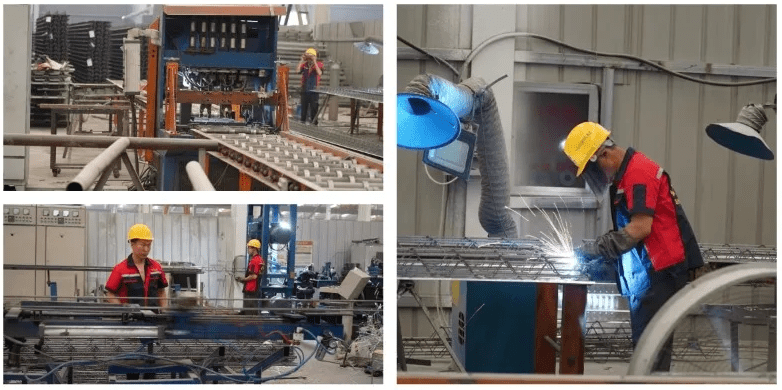
Prefabrication enhances this advantage. Instead of building entirely on-site, container homes are manufactured in controlled facilities, allowing for precision engineering, consistent quality, and faster completion times. This reduces weather delays, construction waste, and unexpected costs.
For Canadian buyers dealing with harsh winters and varying provincial building standards, prefabricated container homes offer predictable timelines and tested performance.
Why Customization Matters in Modern Living Accomodation
No two homeowners share identical needs. Some require open living spaces, while others prioritize extra bedrooms, office areas, or storage. Customization ensures a container house is not just affordable, but truly functional.
A customized prefabricated container home allows buyers to:
- Choose layouts suited to family size or business use
- Select insulation levels for local climate conditions
- Add windows, doors, and skylights for natural light
- Integrate plumbing and electrical systems efficiently
- Configure stacking or multi-container layouts
Customization transforms a standardized shipping container into a comfortable, modern living environment.
At Container Houses Canada, customization begins before manufacturing starts. Clients collaborate with specialists to determine layout, finishes, and structural requirements, ensuring the final product reflects both aesthetic preferences and practical needs.
The Largest Selection!.Advantages of Ordering a Prefabricated Container House
1. Faster Construction Timeline
Traditional homes can take many months—or even years—to complete. Prefabricated container houses are built in controlled environments, which dramatically shortens construction timelines.
Because structural components are pre-engineered, installation on site becomes quicker and more predictable. In many cases, delivery and installation occur within weeks rather than months.
2. Predictable Costs
Unexpected expenses are one of the biggest challenges in traditional construction. Material shortages, weather delays, and labour changes can inflate budgets quickly.
Prefabricated container homes minimize these risks. Pricing is established during design and manufacturing phases, making financial planning far easier.
3. Durable Steel Structure
Shipping containers are engineered for heavy loads and rough handling. Their steel frames offer excellent structural strength and resistance to harsh climates.
With proper insulation and finishing, container homes can withstand Canadian winters, heavy snow loads, and strong winds.
4. Eco-Friendly Construction
Container ho reduces construction waste by re existing steel structures. Prefabrication also reduces excess materials and on-site debris.
Many buyers choose container homes as part of a sustainable lifestyle, combining recycled materials with energy-efficient insulation and heating systems.
Internal Links
Learn more about planning your build timeline here:
https://containerhousescanada.ca/from-order-to-delivery
Discover insulation and heating solutions for container homes:
https://containerhousescanada.ca/floor-heating-container-house
External Links
For Canadian building standards and codes:
https://nrc.canada.ca/en/certifications-evaluations-standards/canadian-building-codes
For sustainable modular construction insights:
https://www.modular.org
The Customization Process Explained
Ordering a customized container house typically follows several clear stages.
Consultation and Needs Assessment
The process begins with defining the purpose of the structure. Buyers determine whether the container home will be:
- A permanent residence
- A secondary dwelling or cottage
- A rental property
- A workspace or office
- A commercial installation
Understanding the use case helps determine layout, insulation levels, and utility requirements.
Layout and Design Selection
Next, clients choose the configuration of their container home. Options may include:
- Single container units
- Multi-container side-by-side designs
- Stacked two-storey layouts
- L-shaped or courtyard arrangements
Interior plans can be adapted to include kitchens, bathrooms, bedrooms, offices, or open living spaces.
Material and Finish Choices
Customization continues with interior and exterior finishes. Buyers can select:
- Flooring materials
- Wall panel finishes
- Window styles
- Door placement
- Roofing options
These choices ensure the final home reflects both practical requirements and personal taste.
Manufacturing and Quality Control
Once design is finalized, manufacturing begins in a controlled facility. This phase includes:
- Structural reinforcement
- Insulation installation
- Electrical wiring and plumbing
- Interior finishing
- Exterior coatings
Factory manufacturing allows precise quality control, reducing errors and ensuring consistency.
Delivery and Installation
After manufacturing is complete, the container house is transported to the installation site. Depending on size and configuration, installation may involve cranes or specialized transport equipment.
Because much of the work is completed beforehand, on-site assembly is typically quick and efficient.
Custom Container Homes for Canadian Climates
Canada’s climate presents unique ho challenges. Winters can be long and severe, while summers may vary dramatically across regions.
Customization allows container homes to perform well in these conditions.
Insulation Packages
Proper insulation is essential. Buyers can choose insulation types suited to their region, ensuring heat retention in winter and comfort in summer.
Energy Efficiency
Modern container homes can include energy-efficient windows, ventilation systems, and heating solutions that reduce long-term utility costs.
Weather-Resistant Finishes
Exterior coatings protect against moisture, snow, and temperature fluctuations, extending the life of the structure.
Who Benefits Most From Container Houses?
Container homes appeal to a wide range of buyers. We have the largest selection of container homes
First-Time Homeowners
For buyers entering the ho market, container homes offer a cost-effective alternative to traditional houses while still providing durability and modern amenities.
Investors and Developers
Prefabricated container homes are ideal for rental units, short-term accommodations, or workforce ho due to their quick installation timelines.
Businesses
Retail spaces, offices, and mobile facilities benefit from modular container construction because it allows flexible expansion.
Rural Property Owners
Container homes work well on remote properties where traditional construction might be costly or slow.
Design Trends in Modern Container Homes
Today’s container homes are far removed from their industrial origins. Designers now incorporate features such as:
- Large panoramic windows
- Open-concept living spaces
- Rooftop terraces
- Exterior cladding for aesthetic appeal
- Smart home integration
Customization makes it possible to achieve a modern architectural look while maintaining structural simplicity.
Financial Considerations When Ordering
The cost of a prefabricated container home depends on several factors:
- Size and number of containers
- Interior finishes
- Insulation packages
- Utility connections
- Transportation distance
Because manufacturing occurs in controlled environments, pricing tends to be more stable than traditional builds.
Many buyers find container homes provide a strong balance between affordability and long-term durability.
Permits and Site Preparation
Before ordering, buyers should confirm local zoning regulations and building requirements. While container homes are accepted in many areas, municipal rules can vary.
Site preparation typically includes:
- Foundation installation
- Utility connections
- Access for delivery equipment
Preparing the site in advance ensures smooth installation once the container home arrives.
Long-Term Value of Container Homes
A well-designed prefabricated container house offers long-term benefits beyond initial cost savings.
- Durable steel construction resists structural damage
- Modular design allows future expansion
- Energy-efficient insulation lowers operating costs
- Sustainable materials support eco-friendly living
These factors make container homes appealing not only for immediate use but also for long-term property value.
The Future of Prefabricated Container Ho
Ho demand continues to grow while traditional construction faces rising costs and environmental challenges.
Prefabricated container homes represent a practical solution that combines sustainability, affordability, and design flexibility. As modular construction technology advances, container homes are expected to become increasingly sophisticated and widely adopted.
For Canadian buyers seeking a reliable, modern, and customizable ho solution, prefabricated container homes offer an appealing path forward.
Conclusion
Ordering a customized prefabricated container house is more than purchasing a building—it is investing in a flexible, durable, and modern ho solution designed for today’s world.
With faster construction timelines, predictable pricing, and strong structural performance, container homes provide an alternative that meets the demands of modern living. Customization ensures each home reflects the owner’s needs, while prefabrication guarantees consistent quality and efficient delivery.
For buyers looking to combine affordability, sustainability, and personalization, ordering a container home through Container Houses Canada represents a forward-thinking step into the future of ho.
Comments are closed