

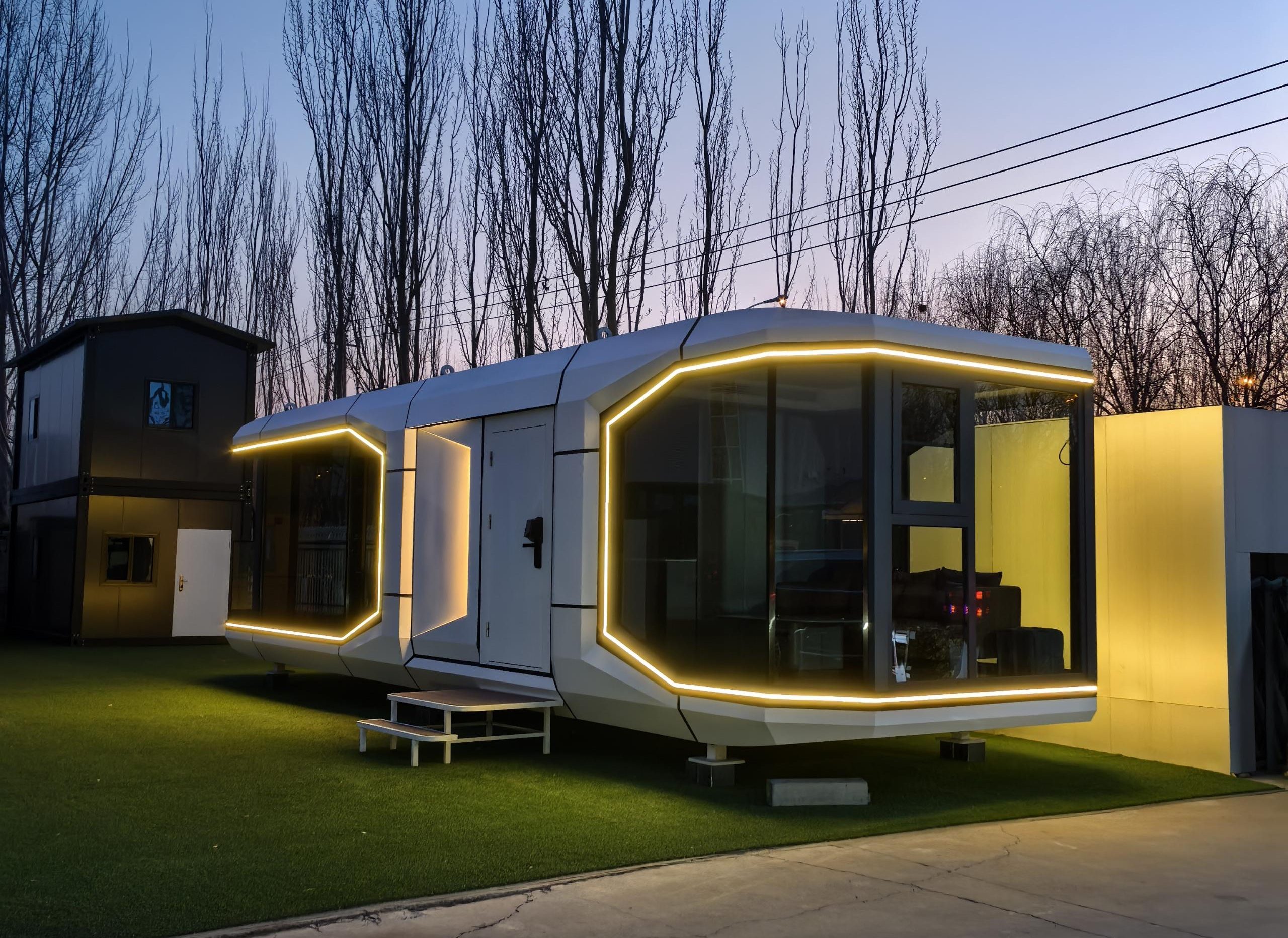
Camping sites are evolving. What once meant tents and small trailers now includes glamping domes, tiny homes, and innovative modular structures. One of the fastest-growing trends in alternative accommodation is the capsule container house.
If you’re considering adding a capsule unit to your property—or placing one on an existing camping site—you may be asking: Can we install our Capsule container house on a camping site?
The short answer is: Yes, in many cases—but regulations, infrastructure, and planning matter.
In this complete guide, we’ll explore everything you need to know about installing a capsule on camping sites, from zoning and utilities to profitability and long-term investment potential for your next summer vacation project.
The Rise of Capsule Living on Camping Sites
Across North America and Europe, camping sites are adapting to meet modern expectations. Travelers today want:
- Comfort without sacrificing nature
- Private bathrooms and climate control
- Instagram-worthy stays
- Sustainable solutions
- Short-term, low-maintenance accommodations
Capsule container houses fit perfectly into this trend.
Organizations such as the National Association of RV Parks and Campgrounds report that glamping and upgraded rental units are among the fastest-growing segments in outdoor hospitality. Traditional camping sites are expanding their offerings to include modular cabins and container-based structures.
Similarly, Parks Canada has introduced ready-to-camp options in several locations, proving that modern prefabricated accommodations are compatible with regulated camping environments.
Capsule units provide:
- Compact design
- Modern aesthetic
- Off-grid adaptability
- Quick installation
- Year-round usability
What Is a Capsule Container House?
A capsule container house is a prefabricated, compact dwelling unit typically built from modified steel container frames or modular structural systems. Unlike standard shipping containers, capsule models are often purpose-built with:
- Insulated wall systems
- Panoramic windows
- Integrated bathroom
- Kitchenette
- Climate control
- Smart lighting
They are designed for:
- Camping sites
- Resort expansions
- Private land installations
- Seasonal rental businesses
- Backyard guest suites
For camping sites, the capsule becomes a premium rental unit—ideal for couples, solo travelers, or small families enjoying a summer vacation.
Are Capsule Houses Allowed on Camping Sites?
1. Zoning Regulations
Every municipality has zoning bylaws. Camping sites are usually classified under:
- Recreational land
- Commercial tourism use
- Seasonal accommodation
The first step is confirming whether your camping site zoning allows:
- Permanent structures
- Semi-permanent modular units
- Rental cabins
- Container-style ho
Municipal planning offices and local city councils regulate this.
For Canadian building code guidance, you can consult National Research Council Canada, which oversees the National Building Code framework.
2. Temporary vs. Permanent Classification
In many regions, capsule container houses can be categorized as:
- Park model units
- Temporary structures
- Movable buildings
If placed on blocks or adjustable supports (instead of permanent foundations), approval may be simpler.
Camping sites often have flexibility because:
- Structures are seasonal
- Units are removable
- Infrastructure already exists
3. Size Restrictions
Some camping sites limit unit size per lot. Capsule houses typically range from:
- 160–400 square feet
This makes them ideal for compliance with campground rules.
Utilities: What Must Be Available?
Before installation, consider infrastructure.
Electrical Hookups
Most camping sites already provide:
- 30-amp or 50-amp service
Capsule units can connect directly.
Water Supply
Options include:
- Direct hookup to campground water
- Onboard tank systems
- Off-grid filtration systems
Sewer and Wastewater
Three common solutions:
- Direct connection to campground sewer
- Septic tie-in
- Composting or self-contained systems
Organizations like the Canadian Camping and RV Council provide operational guidelines for campground operators.
Foundation Requirements for Camping Sites
Capsule container houses generally require minimal site preparation.
Options include:
- Concrete piers
- Gravel pad
- Helical piles
- Adjustable steel supports
Camping sites often prefer solutions that:
- Avoid deep excavation
- Preserve natural landscape
- Allow relocation
Can Capsule Units Be Moved Later?
Yes. That’s one of their greatest advantages.
Unlike traditional cabins:
- They can be relocated
- They can be resold
- They can be repositioned for layout optimization
This flexibility is highly valuable for camping sites that redesign layouts or expand.
Why Capsule Units Are Perfect for Summer Vacation Rentals
1. Higher Rental Rates
Capsule units command premium nightly rates compared to tent sites.
Travelers booking a summer vacation are often willing to pay more for:
- Air conditioning
- Private bathroom
- Unique architecture
- Luxury finishes
2. Low Maintenance
Compared to wood cabins:
- Steel structures resist pests
- Modern materials reduce rot risk
- Minimal roof maintenance
3. Social Media Appeal
Modern capsule designs are photogenic.
This drives organic marketing through:
- Travel blogs
- Influencer stays
Camping sites capsule units often see improved occupancy rates.
Cost to Install a Capsule on a Camping Site
Costs vary depending on:
- Size
- Insulation level
- Interior finish
- Delivery distance
- Utility hookups
Typical cost breakdown:
- Capsule unit purchase
- Transportation
- Site preparation
- Utility connection
- Permit fees
However, compared to traditional construction, installation time is dramatically reduced.
Return on Investment for Camping Site Owners
Capsule units can produce revenue through:
- Nightly rentals
- Seasonal packages
- Long weekend packages
- Event hosting
Example scenario:
If a capsule rents for:
- $150 per night
- 100 nights per year
Annual revenue = $15,000 per unit
Multiply by multiple units and revenue scales quickly.
Do You Need a Building Permit?
Often yes—but it depends on classification.
Factors affecting permit requirements:
- Is it on a foundation?
- Is it connected permanently to utilities?
- Is it considered temporary accommodation?
Municipalities may require:
- Site plan approval
- Structural certification
- Electrical inspection
- Plumbing inspection
Always consult your local building authority.
Environmental Considerations
Modern camping sites prioritize sustainability.
Capsule container houses support:
- Solar panel integration
- Rainwater collection
- Low-energy HVAC systems
- High R-value insulation
They also reduce construction waste since they are prefabricated off-site.
Insurance Requirements
Before installation, check:
- Property insurance policy
- Commercial liability coverage
- Rental property protection
Insurance providers may classify capsule units as:
- Cabins
- Modular dwellings
- Commercial structures
Confirm coverage before accepting guests.
Capsule Units vs Traditional Cabins
| Feature | Capsule | Wood Cabin |
|---|---|---|
| Installation time | Fast | Slow |
| Maintenance | Low | Moderate |
| Relocation | Easy | Difficult |
| Modern appeal | High | Moderate |
| Construction waste | Low | High |
For many camping sites, the capsule model offers stronger flexibility.
Off-Grid Camping Site Installations
If your camping site is remote, capsule units can operate:
- Fully solar-powered
- With composting toilets
- Using propane heating
- With battery storage systems
Off-grid models are especially attractive for:
- Eco-retreats
- Wilderness summer vacation destinations
- Boutique nature resorts
Marketing Advantages for Camping Sites
Adding capsule units allows you to market:
- Glamping packages
- Romantic getaways
- Winter stays
- Four-season rentals
You can list on:
- Airbnb
- Booking platforms
- Direct website reservations
Capsule accommodations attract guests who normally would not choose traditional camping sites.
Installation Timeline
- Order unit
- Site inspection
- Permit approval
- Delivery
- Utility connection
- Final inspection
Average timeline:
- 4–12 weeks depending on municipality
Common Challenges
While installing a capsule container house on a camping site is feasible, potential challenges include:
- Zoning restrictions
- Snow load compliance
- Fire code spacing requirements
- Access for delivery trucks
These can usually be resolved with proper planning.
Winter Use on Camping Sites
If your region experiences harsh winters:
Ensure:
- High-grade insulation
- Thermal break windows
- Heated water lines
- Roof snow load rating
Four-season capsule units can significantly extend camping site revenue beyond the summer vacation season.
Legal Questions to Ask Before Installing
- Is the camping site zoned for rental cabins?
- Is a foundation required?
- Are utility hook-ups compliant?
- Are there occupancy limits?
- Does fire separation distance apply?
Consult your municipality before purchasing.
Who Should Consider Installing a Capsule?
- Camping site owners
- Resort operators
- Investors
- Private landowners
- Glamping entrepreneurs
If you operate camping sites, capsule units can diversify revenue streams and modernize your offering.
Internal Resources
To continue planning your project, explore:
- /capsule-model-specifications
- /delivery-installation-process
- /four-season-container-units
- /financing-options
External Resources
For regulations and industry guidance:
- National Association of RV Parks and Campgrounds
- Parks Canada
- National Research Council Canada
- Canadian Camping and RV Council
Final Answer: Can We Install Our Capsule Container House on a Camping Site?
Yes — in most cases, you can install your capsule container house on camping sites.
However, success depends on:
- Local zoning approval
- Utility infrastructure
- Proper foundation preparation
- Compliance with building codes
- Insurance coverage
Capsule units are an ideal solution for:
- Modern camping sites
- Glamping businesses
- Summer vacation rentals
- Sustainable tourism developments
They combine flexibility, profitability, and contemporary design—making them one of the most exciting accommodation solutions available today.
If you are planning your next capsule installation on a camping site, the key is simple:
Plan carefully. Verify regulations. Install professionally. Market creatively.
Done correctly, your capsule can transform an ordinary camping site into a high-demand summer vacation destination.
Comments are closed