

Relocating a container house or commercial container unit is not only possible — it’s one of the greatest advantages of modular construction. Whether you’re expanding a business, moving to a new property, or adapting to zoning changes, container structures are designed with mobility in mind.
However, relocating a container house or business requires planning, logistics coordination, and the right moving companies or specialized movers. In this guide, we’ll explain how container relocation works, what it costs, who to hire, and how to make the process stress-free.
Why container buildings are designed to move
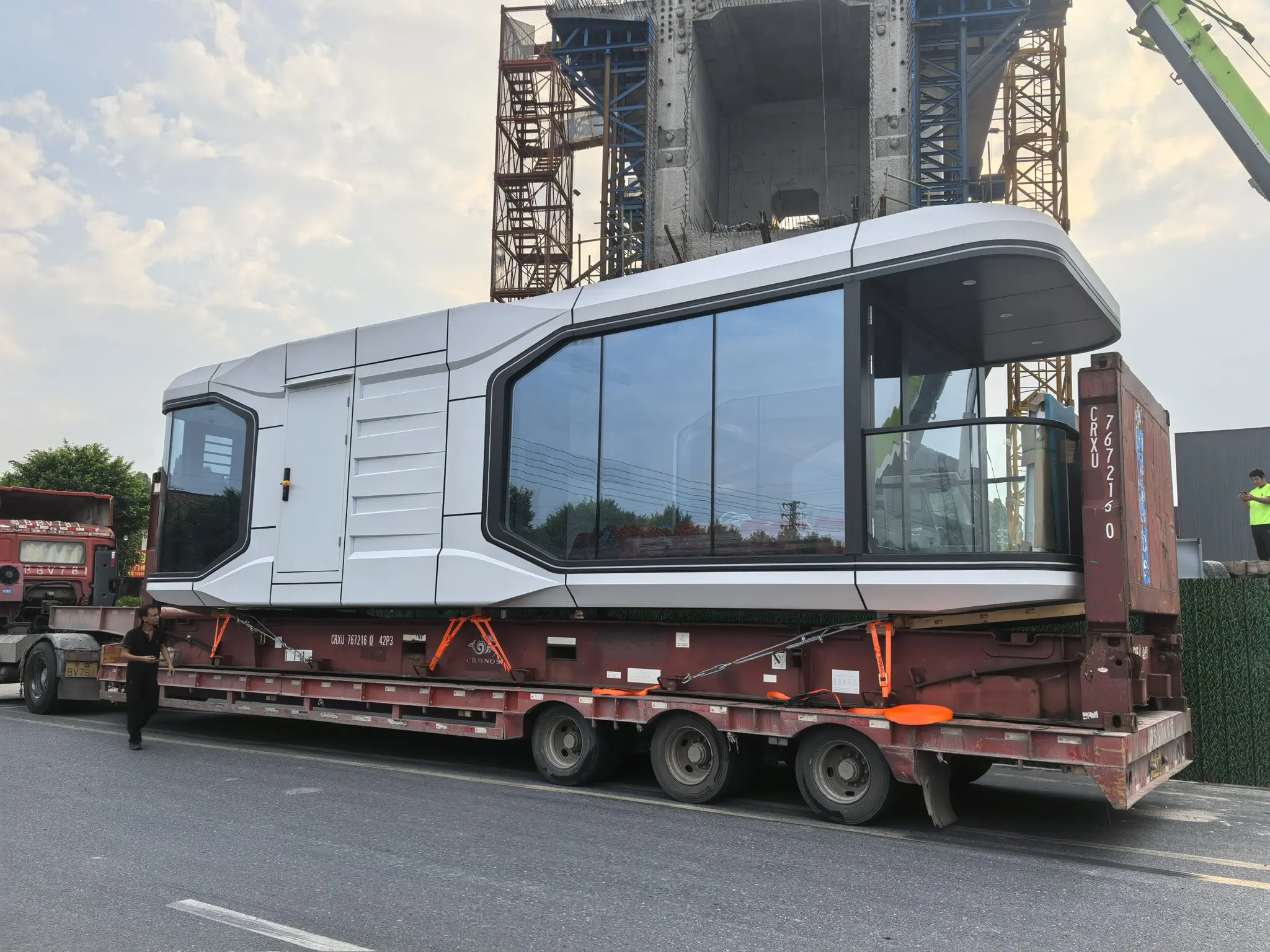
Unlike traditional construction, shipping container structures were originally built for transport across oceans and continents. This gives them a major advantage when relocation becomes necessary.
Structural strength built for transport
Shipping containers are engineered to be stacked, lifted, and transported by cranes, ships, and trucks. That means your container house or office is already designed to handle movement.
Flexible business growth
Many companies choose container buildings because they can relocate easily when:
- A retail location changes
- A job site moves
- Land leases expire
- Business expansion requires relocation
This flexibility makes container architecture one of the smartest long-term investments for both homeowners and businesses.
When relocating a container house makes sense
Relocating your structure may be the best option in several scenarios:
1. Land ownership changes
If you’re renting land or your property is sold, moving your container home protects your investment.
2. Business relocation or expansion
Portable offices, pop-up shops, and container restaurants often move to follow customer demand.
3. Seasonal or temporary installations
Tourism offices, construction site offices, and event spaces often relocate multiple times.
4. Municipal zoning updates
If regulations change, relocating may be simpler than rebuilding.
Can any container building be moved?
Most container structures can be relocated, but some require more preparation.
Easy to relocate
- Single container homes
- Portable offices
- Storage containers
- Pop-up retail units
More complex relocations
- Multi-container homes
- Two-story container buildings
- Units connected to foundations
- Structures with utilities hardwired into the ground
These structures can still move, but professional movers and engineers may be required.
How container relocation works
Relocation typically follows a structured process:
Step 1: Inspection and planning
A specialist evaluates:
- Container size and weight
- Structural reinforcements
- Accessibility for cranes and trucks
- Utility disconnection needs
Step 2: Permits and approvals
Depending on your region, you may need permits for:
- Oversized transport
- Road closures
- Crane operation
- Municipal approval
You can check transportation regulations at
https://tc.canada.ca/en (Transport Canada).
Step 3: Disconnecting utilities
Before moving, professionals disconnect:
- Electrical systems
- Plumbing connections
- Internet lines
- HVAC connections
This step ensures the structure can be lifted safely.
Step 4: Lifting and loading
Containers are typically lifted :
- Hydraulic cranes
- Tilt-bed trucks
- Container chassis trailers
Specialized lifting points ensure the structure remains stable during transport.
Step 5: Transportation to new site
Professional container movers plan:
- Road routes
- Height restrictions
- Bridge weight limits
- Weather conditions
Experienced companies such as
Atlas Van Lines
or
U-Haul
may provide transport support, though specialized container transport firms are often preferred for larger buildings.
Step 6: Reinstallation and reconnection
Once delivered, the container is:
- Positioned on foundation or blocks
- Re-leveled and secured
- Reconnected to utilities
- Inspected for structural integrity
After this step, your container building is ready for use again.
Cost of relocating a container house or business
Costs vary widely depending on distance and complexity.
Typical relocation costs
| Relocation Type | Estimated Cost |
|---|---|
| Local move (under 50 km) | $1,500 – $5,000 |
| Regional move | $5,000 – $15,000 |
| Long-distance move | $15,000 – $40,000+ |
Factors affecting cost include:
- Crane rental fees
- Transportation distance
- Permit costs
- Foundation preparation
- Utility reconnection
You can explore industry averages here:
https://www.homeadvisor.com/
Choosing the right movers
Not all moving companies are equipped to handle container structures.
Look for movers experienced with:
- Heavy equipment transport
- Modular buildings
- Construction logistics
- Crane coordination
Professional moving companies like
Allied Van Lines
or logistics firms such as
C.H. Robinson
often collaborate with specialized container transport contractors.
Legal considerations before relocating
Before moving your container house or business, confirm:
Zoning compliance
Ensure your new site permits container structures.
You can review zoning requirements via your local municipality or provincial planning department.
Building permits
Some jurisdictions require permits for:
- Reinstallation
- Foundation placement
- Utility reconnection
Failing to obtain permits can result in fines or removal orders.
Insurance coverage
Verify insurance includes:
- Transport damage
- Crane operation risks
- Installation liability
Preparing your container for relocation
To avoid damage during transport:
Secure interior elements
- Bolt down furniture
- Remove fragile items
- Reinforce cabinetry
Protect exterior components
- Remove awnings
- Detach solar panels
- Secure doors and windows
Weatherproof openings
Use sealing tape or covers to prevent water intrusion.
Advantages of relocating container buildings
Lower cost than rebuilding
Relocation is often far cheaper than constructing a new building.
Faster than traditional construction
Most container relocations take:
- 1–3 days locally
- 1–2 weeks long-distance
Sustainable construction choice
Re container structures reduces:
- Construction waste
- Carbon footprint
- Material consumption
Challenges to expect when relocating
Even though relocation is feasible, some challenges exist:
Site accessibility
Tight streets, slopes, or trees may complicate crane access.
Utility compatibility
Your new location must support water, power, and sewage systems.
Transport regulations
Oversized load restrictions may limit travel routes or times.
Tips for a smooth container relocation
To ensure success:
- Hire experienced container movers
- Plan permits early
- Inspect structure before moving
- Confirm new site readiness
- Schedule utility connections in advance
These steps prevent delays and reduce relocation costs.
Internal resources for further reading
To help you plan your container project, explore these guides:
- https://containerhousescanda.ca/container-house-delivery-times
- https://containerhousescanda.ca/container-house-winter-performance
- https://containerhousescanda.ca/container-house-financing-options
- https://containerhousescanda.ca/city-regulations-container-houses
Final thoughts
So, can you relocate your container house or business?
Absolutely — and in many cases, it’s one of the smartest benefits of container construction.
With proper planning, the right movers, and careful preparation, relocating a container building is faster, more affordable, and far less disruptive than traditional construction relocation.
Whether you’re expanding your business, changing locations, or adapting to new opportunities, container structures give you the freedom to move forward — literally.
Comments are closed