
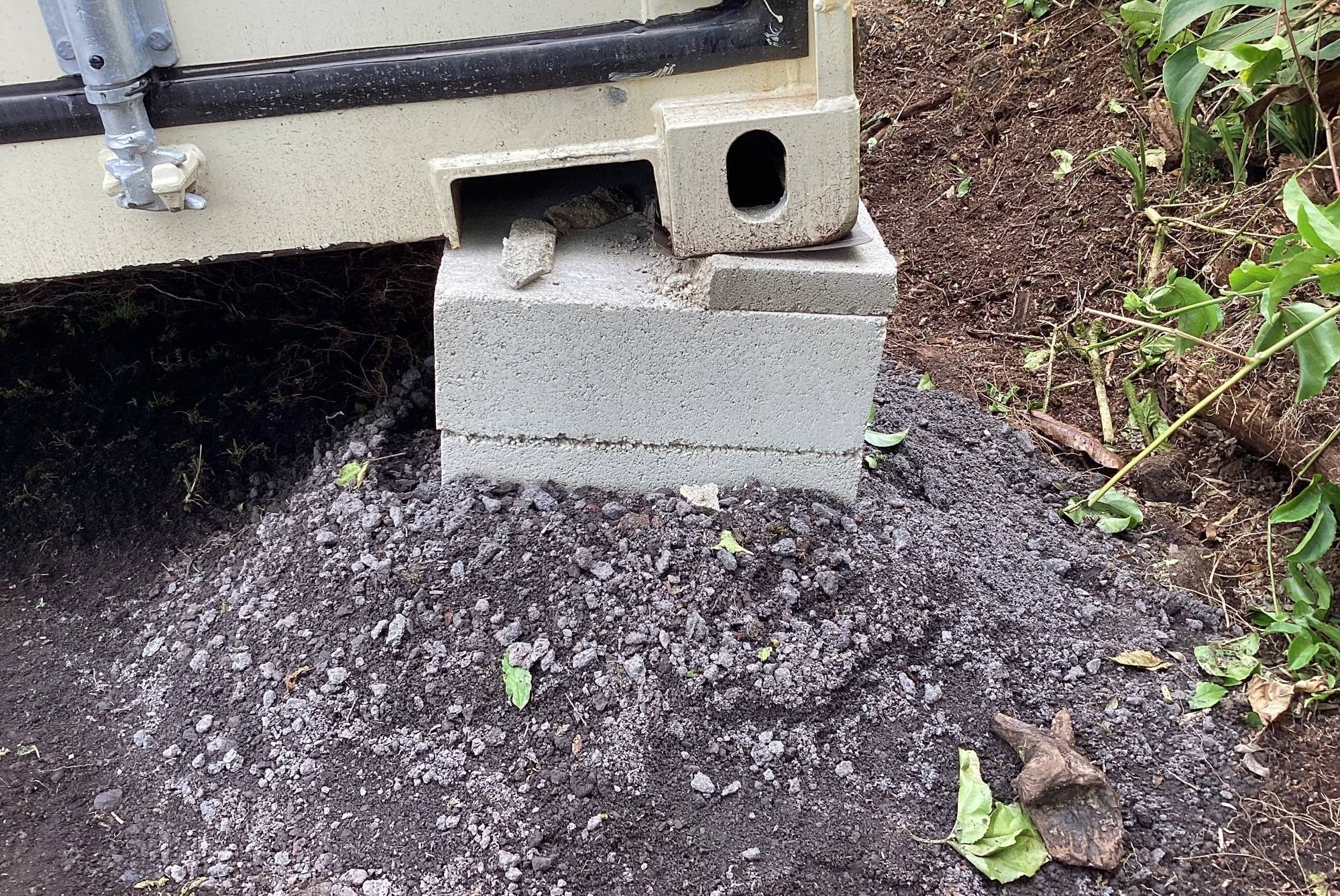
When planning a container home, one of the most critical structural decisions you will make is the type of foundation. The foundation supports the entire structure, influences long-term durability, and affects insulation, moisture control, and costs.
For container houses, two options dominate the conversation:
- A concrete slab
- Traditional cement foundations such as crawlspaces or full basements
Both solutions use concrete, yet they perform differently depending on climate, soil conditions, and intended use.
This guide explains everything homeowners and builders need to know before choosing the best cement foundations for a container house project.
Why Foundations Matter for Container Homes
Shipping containers are extremely strong at their corner posts, but not designed to distribute weight evenly across the entire base like traditional homes. This means the foundation must:
- Support concentrated loads
- Prevent shifting or settlement
- Control moisture
- Maintain structural alignment
Organizations such as International Code Council and Canadian Standards Association emphasize proper foundations as essential for structural compliance and safety.
A poorly designed base can cause:
- Door misalignment
- Structural warping
- Cracking
- Insulation failure
- Long-term repair costs
That is why the foundation decision should be made before any container delivery or site preparation begins.
Understanding Concrete Slab Foundations
What is a Concrete Slab?
A concrete slab foundation is a single, thick layer of reinforced concrete poured directly onto prepared ground.
It typically includes:
- Gravel base
- Vapor barrier
- Steel reinforcement mesh
- 4–6 inch cement slab
For container homes, the slab is sometimes thickened at corner load points to support the container’s structural columns.
Advantages of a Concrete Slab for Container Homes
1. Lower Construction Cost
A slab is generally the most affordable foundation type because:
- Minimal excavation required
- Faster installation
- Less material than basement foundations
For container projects aiming for budget efficiency, slab construction often reduces costs by thousands of dollars.
2. Faster Build Timeline
Concrete slabs can be poured and ready within days.
This allows containers to be placed almost immediately, which is ideal for:
- Prefab container installations
- Remote builds
- Rental or vacation container units
Speed is one of the biggest advantages of slab construction.
3. Excellent Load Distribution
Because containers rest on a flat reinforced surface, slabs:
- Reduce point pressure on soil
- Prevent sinking
- Provide stable anchoring
This makes slabs particularly effective on compacted or rocky ground.
4. Reduced Pest Problems
Unlike crawlspaces, slab foundations have:
- No under-floor cavities
- No wood framing near soil
- Fewer entry points for insects or rodents
This improves long-term maintenance.
Disadvantages of Concrete Slabs
1. Limited Plumbing Access
If pipes run inside the slab, repairs can be difficult and costly.
Planning plumbing routes carefully before pouring concrete is essential.
2. Poor Insulation Without Upgrades
Concrete transfers heat efficiently, which means:
- Cold floors in winter climates
- Energy loss without insulation
To solve this, builders often add:
- Foam insulation below slab
- Heated floors
- Insulated perimeter walls
3. No Storage Space Below Home
Unlike basements, slab homes offer no additional storage area or mechanical space underneath.
Understanding Regular Cement Foundations
Traditional foundations include:
- Crawlspaces
- Pier systems
- Full basements
- Stem wall foundations
These solutions elevate the container off the ground.
Advantages of Traditional Cement Foundations
1. Better Cold-Climate Performance
In regions with freezing winters, foundations below frost depth prevent movement caused by soil expansion.
This is particularly important in Canada and northern regions.
A basement or deep cement footing protects the home from frost heave.
2. Easier Utility Access
Raised foundations allow:
- Plumbing repairs
- Electrical upgrades
- HVAC installations
This flexibility simplifies maintenance over decades.
3. Added Storage or Living Space
Basements can:
- Provide storage rooms
- Host mechanical systems
- Be finished into living areas
This increases usable square footage.
4. Improved Resale Value
Homes with full foundations often have higher perceived value compared to slab-based homes.
Buyers associate basements with durability and extra space.
Disadvantages of Traditional Foundations
1. Higher Cost
Basements and crawlspaces require:
- Excavation
- Waterproofing
- More concrete
- More labor
This can add tens of thousands of dollars to a container build.
2. Longer Construction Timeline
Deep foundations involve multiple stages:
- Digging
- Formwork
- Footings
- Walls
- Backfilling
This delays container placement.
3. Moisture Risks
Basements require proper drainage, or they may suffer from:
- Water seepage
- Mold
- Structural deterioration
Waterproof membranes and drainage systems are essential.
Comparing Concrete Slabs vs Cement Foundations
Cost Comparison
Concrete slab:
- Lower upfront cost
- Less labor
- Faster installation
Traditional foundations:
- Higher cost
- More materials
- Longer build timeline
For budget-focused builds, slabs win.
For long-term flexibility, foundations may justify their price.
Durability Comparison
Both systems are durable when properly built.
However:
- Slabs resist pests and moisture well
- Basements resist frost movement better
Climate often determines the best option.
Energy Efficiency Comparison
Slabs:
- Need insulation upgrades
- Work well with radiant heating
Basements:
- Provide thermal buffering
- Reduce temperature swings
Insulated basements often perform best in cold climates.
Maintenance Comparison
Slabs:
- Harder plumbing access
- Less structural maintenance
Basements:
- Easier system access
- More waterproofing upkeep
Best Foundation Choice by Climate
Warm or Mild Climates
Concrete slab foundations are often ideal because:
- Frost depth minimal
- Soil stable
- Heating demand lower
Cold Climates (like Canada)
Traditional foundations may be safer due to:
- Frost protection
- Insulation benefits
- Utility access
Builders often combine slab floors with deep perimeter footings to meet frost requirements.
Soil Conditions and Foundation Choice
Soil testing is critical before choosing a foundation.
Stable Rocky Soil
Concrete slab works well.
Clay or Expansive Soil
Raised cement foundations perform better because they:
- Prevent cracking
- Reduce pressure changes
Flood-Prone Areas
Raised foundations protect container homes from water damage.
Installation Process Overview
Concrete Slab Steps
- Site grading
- Gravel placement
- Vapor barrier installation
- Reinforcement mesh placement
- Concrete pouring
- Curing
Traditional Foundation Steps
- Excavation
- Footings poured
- Foundation walls built
- Waterproofing applied
- Drainage installed
- Backfill completed
Anchoring Containers to Concrete
Regardless of foundation type, containers must be secured.
Common methods include:
- Welded plates
- Anchor bolts embedded in concrete
- Twist-lock systems
Proper anchoring protects against:
- Wind uplift
- Earth movement
- Structural shifting
Long-Term Cost Considerations
While slabs are cheaper initially, consider:
- Heating expenses
- Plumbing repairs
- Insulation upgrades
Basements cost more upfront but may:
- Increase property value
- Improve efficiency
- Add usable space
The best choice depends on long-term goals.
Environmental Impact
Concrete production generates emissions, but modern mixes reduce environmental footprint.
Some builders now use:
- Recycled aggregates
- Fly-ash cement blends
- Insulated slab systems
Sustainable foundation design can significantly reduce the environmental impact of a container home.
When a Concrete Slab is the Best Choice
Choose a slab if:
- Budget is limited
- Soil is stable
- Climate is mild
- Build timeline is short
- You prefer simple maintenance
When Regular Cement Foundations Are Better
Choose traditional foundations if:
- You live in cold climates
- You want a basement or storage
- Soil is unstable
- Flooding is a risk
- You plan long-term occupancy
Learn more about container ho options:
- https://containerhousescanada.ca/container-home-foundations
- https://containerhousescanada.ca/container-home-installation
- https://containerhousescanada.ca/capsule-container-homes
- https://containerhousescanada.ca/container-home-costs
External References
For building standards and foundation guidance:
Final Thoughts
Choosing between a concrete slab and traditional cement foundations is one of the most important decisions in building a container home.
Slabs offer affordability, speed, and simplicity.
Traditional foundations provide flexibility, insulation, and long-term resilience.
The right solution depends on climate, soil, budget, and how you plan to use your container home for years to come.
A properly engineered foundation ensures your container house remains stable, efficient, and comfortable for decades.
Comments are closed