
Bringing your new container house to life goes far beyond delivery and installation. One of the most important steps is connecting your home to municipal services—specifically city water and electrical power. Without proper utility hookups, even the most beautifully designed container home cannot function as a full-time residence.
This comprehensive guide explains everything homeowners need to know about connecting a container house to municipal water and electricity in Canada, including permits, inspections, trenching, safety codes, timelines, and cost considerations.
***This article is for general information purposes and is not actual advice
Why Utility Connections Matter for Container Homes
A container house is built differently from a traditional home, but once installed, it must meet the same safety and infrastructure standards. Municipalities treat container homes as permanent dwellings, meaning connections must comply with regulations such as those outlined by the National Research Council Canada, which publishes the National Building Code.
Proper connections ensure:
- Safe drinking water supply
- Reliable electrical power
- Insurance compliance
- Municipal approval for occupancy
- Long-term property value
Skipping professional connections can lead to fines, denied permits, or unsafe living conditions.
Step 1: Confirm Municipal Service Availability
Before connecting utilities, verify whether your property has access to city water and electrical infrastructure.
Contact your municipality or utility providers to confirm:
- Water main proximity
- Electrical grid connection distance
- Capacity of local infrastructure
- Required permits and approvals
In Quebec, for example, homeowners often coordinate electrical access through Hydro-Québec, which manages power distribution throughout the province.
If your lot is newly developed or rural, additional infrastructure work may be required.
Step 2: Obtain Required Permits
Municipal permits are mandatory for both water and electricity hookups.
Typical permits include:
Utility Connection Permit
Required for connecting to municipal water or sewer systems.
Electrical Permit
Ensures wiring and service panels meet safety standards such as those developed by CSA Group, which helps establish electrical safety codes in Canada.
Excavation or Trenching Permit
Needed if digging is required to run pipes or conduits underground.
Permit timelines vary but typically take 1 to 6 weeks depending on municipality workload.
Step 3: Planning the Utility Layout
Before installation begins, professionals create a detailed site plan showing:
- Water entry point
- Electrical meter location
- Underground trench paths
- Shut-off valves and access points
- Distance from property lines
Container homes often benefit from pre-planned utility corridors integrated into the foundation or base preparation stage.
This planning helps avoid costly repositioning later.
Step 4: Connecting to City Water
Installing the Water Service Line
To connect your container house to municipal water:
- A licensed contractor taps into the municipal water main.
- A service pipe runs underground to your home.
- A shut-off valve and water meter are installed.
- The pipe enters the container through insulated service points.
Municipal inspectors must approve the installation before use.
Protecting Water Lines from Freezing
In Canada’s climate, proper insulation is critical.
Installations should include:
- Frost-depth burial (usually 4–6 feet deep)
- Insulated pipe sleeves
- Heated entry points if needed
- Interior shut-off valves
Without proper frost protection, pipes may burst during winter, ca severe damage.
Pressure Regulation and Backflow Protection
Municipal systems sometimes deliver water at high pressure.
Install:
- Pressure reducing valve (PRV)
- Backflow prevention device
- Main shut-off inside the home
These devices protect both your home and the city system.
Step 5: Connecting to Electrical Power
Electricity brings your container house to life, powering lighting, heating, appliances, and ventilation systems.
Electrical Service Installation Process
Typical steps include:
- Utility company installs a service connection from the power line.
- A meter base is mounted on the exterior of the container.
- Wiring runs to the main electrical panel.
- Interior circuits distribute power throughout the home.
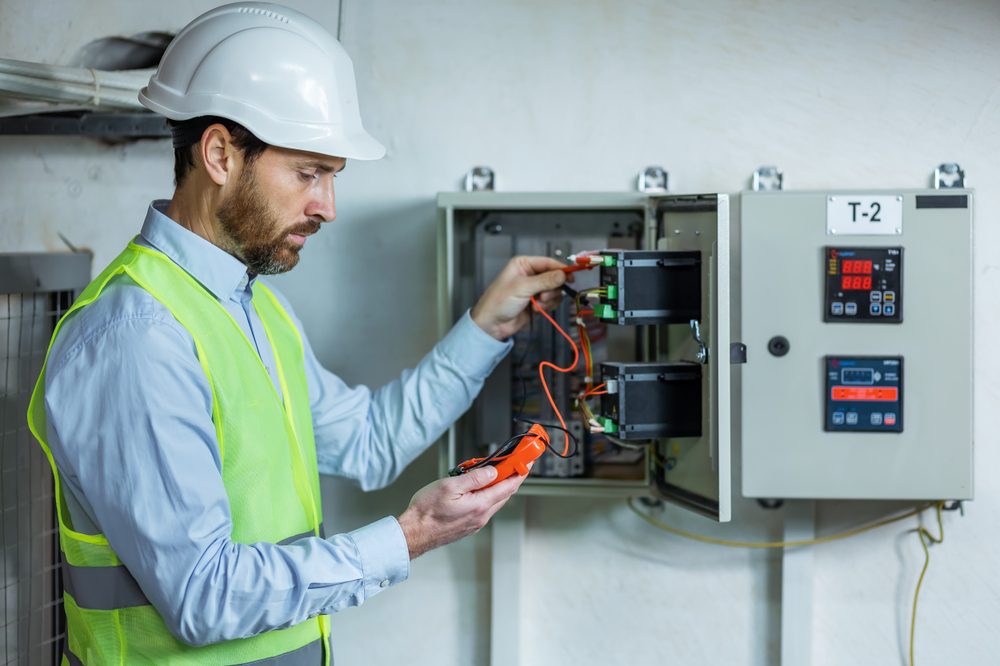
All work must comply with the Canadian Electrical Code and be completed by a licensed electrician.
Choosing the Right Electrical Capacity
Most container homes require:
- 100-amp service for small homes
- 200-amp service for larger or multi-container houses
If your container home includes electric heating, EV charging, or multiple appliances, larger service capacity is recommended.
Grounding and Safety Requirements
Container homes are made of steel, which conducts electricity.
This makes grounding essential.
Installations typically include:
- Ground rods driven into the soil
- Bonding wires connected to the container frame
- Surge protection devices
These measures prevent electrical hazards and ensure safe operation.
Step 6: Trenching and Underground Installation
Utilities usually enter container homes underground for protection and aesthetics.
Trenching Considerations
Trenches must be:
- Deep enough to prevent freezing
- Properly graded for drainage
- Filled with protective sand layers
- Marked with warning tape
Electrical conduits and water pipes must be separated to meet safety codes.
Professional trenching ensures long-term reliability.
Step 7: Inspections and Final Approval
Before occupancy, inspectors verify:
- Proper pipe materials
- Correct electrical wiring
- Code-compliant grounding
- Accessible shut-off valves
- Approved meters and panels
Once approved, you receive authorization to activate services.
This step is essential for:
- Insurance coverage
- Mortgage approval
- Legal habitation status
Step 8: Costs of Connecting Utilities
Utility hookup costs vary based on distance and terrain.
Typical Water Connection Costs
- Municipal connection fee: $1,500 – $5,000
- Excavation and piping: $2,000 – $6,000
Typical Electrical Connection Costs
- Utility service hookup: $1,000 – $4,000
- Panel and wiring installation: $3,000 – $8,000
Longer distances from infrastructure increase costs significantly.
Planning early helps control expenses.
Step 9: Timeline for Utility Installation
Most container homeowners can expect:
- Permit approvals: 2–6 weeks
- Trenching and installations: 1–2 weeks
- Inspections and activation: 1 week
Total timeframe: 4 to 8 weeks
Coordinating installations during container placement can shorten this timeline.
Step 10: Working With Professionals
Utility connections should always involve:
- Licensed plumbers
- Certified electricians
- Municipal inspectors
- Utility company representatives
Professional installation ensures:
- Safety compliance
- Insurance eligibility
- Warranty protection
- Long-term durability
Attempting DIY connections often results in permit denial or costly corrections.
Step 11: Preparing Your Container House for Hookups
Before technicians arrive, ensure:
- Foundation is complete
- Utility entry points are pre-cut
- Interior plumbing lines are ready
- Electrical panel location is accessible
- Clear trench paths are marked
Proper preparation speeds up installation and reduces labour costs.
Step 12: Off-Grid Backup Options
Even with municipal connections, many homeowners install backup systems.
These may include:
- Solar panels
- Battery storage systems
- Backup generators
- Rainwater storage systems
Hybrid setups increase energy independence and reduce long-term utility bills.
Step 13: Maintenance After Connection
Once your container house is connected:
Check annually:
- Pipe insulation
- Electrical panel connections
- Grounding rods
- Shut-off valve operation
Routine maintenance prevents failures and extends system life.
Conclusion: Utility Connections Make Your Container Home Fully Functional
Connecting your container house to city water and electricity transforms it from a structure into a comfortable, livable home. While the process involves permits, trenching, inspections, and professional installation, it ensures your home meets Canadian safety standards and operates reliably for decades.
By planning early, working with qualified professionals, and following municipal guidelines, homeowners can enjoy seamless utility integration and move into their container home with confidence.
Comments are closed