
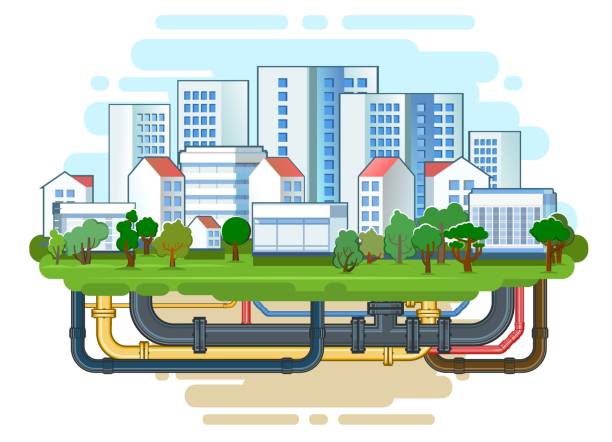
Building a modern container home is an exciting step toward affordable, sustainable living. But once your structure is delivered and set on its foundation, one of the most important phases begins: connecting your new container house to city water and sewage.
Without proper water and sewage connections, even the most beautifully designed container house cannot function as a comfortable, livable home. Whether you are building in an urban neighborhood or on the outskirts of a growing municipality, understanding how municipal water and sewage systems work is essential.
In this comprehensive guide, we will walk you through:
- How city water systems operate
- How municipal sewage connections are installed
- Permits and inspections required
- Costs involved
- Common mistakes to avoid
- Professional tips for long-term performance
If you’re currently planning your build, you may also want to review our guide on Concrete slab or regular foundations for a container home? and Why hire only certified workers for your container house project.
Let’s dive in.
Understanding How City Water Systems Work
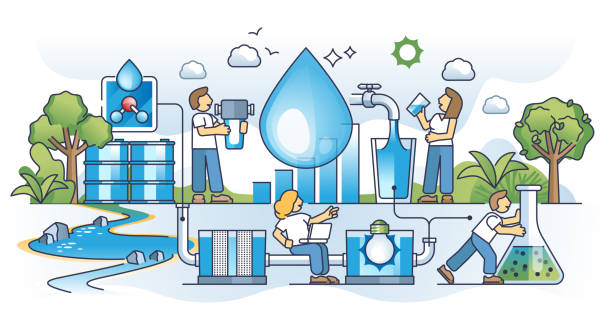
Municipal water systems are designed to provide clean, pressurized drinking water to homes and buildings throughout a city. In Canada and the United States, local municipalities operate these systems under strict health and safety regulations.
Water typically originates from:
- Surface water sources (rivers, lakes)
- Underground aquifers
- Regional treatment facilities
For example, cities like Montreal treat water from the St. Lawrence River before distributing it through a network of underground pipes.
Water treatment standards are regulated federally in the U.S. by the Environmental Protection Agency and in Canada by Health Canada.
Key Components of a Municipal Water Connection
When connecting your container house to city water, you’ll interact with:
- Water Main – The large municipal pipe under the street
- Service Line – The smaller pipe running from the main to your home
- Water Meter – Measures your water usage
- Main Shutoff Valve – Allows emergency control
- Pressure Regulator – Protects plumbing fixtures
Step-by-Step: Connecting to City Water
1. Confirm Availability
Before purchasing your land or placing your container home, confirm with your local municipality that city water service is available on your street.
If it’s not available, you may need a well instead — which changes everything in terms of permits, testing, and cost.
2. Apply for Permits
You will need:
- Water service connection permit
- Plumbing permit
- Possibly a road-cut permit
Always check local building codes. Municipalities enforce plumbing standards based on the International Plumbing Code (IPC) or national equivalents.
You can review plumbing code guidelines via the International Code Council.
3. Excavation and Tapping the Main
A licensed contractor will:
- Excavate a trench from your property line to your foundation
- Tap into the municipal water main
- Install the service line with proper slope and insulation
In colder regions like Toronto, pipes must be buried below the frost line to prevent freezing.
4. Install Meter and Interior Plumbing
Inside your container house, plumbing lines are typically pre-installed during fabrication. You’ll connect:
- Main water line
- Water heater
- Kitchen and bathroom supply lines
If you’re wondering about appliance connections, our article on washer and dryer, dishwasher all possible in a container house? explains installation details.
5. Inspection and Activation
Once installed:
- Municipal inspectors verify compliance
- Pressure testing is completed
- Water service is activated
Connecting to City Sewage
Water supply is only half the equation. Proper sewage disposal is equally critical.
Municipal sewage systems transport wastewater from homes to centralized treatment plants. Wastewater includes:
- Toilet discharge
- Shower and sink drainage
- Laundry water
How City Sewage Systems Work
Wastewater flows by gravity through underground pipes to treatment facilities. In major cities like Vancouver, wastewater treatment plants process millions of liters daily before safely releasing treated water.
Learn more about wastewater standards from the Environment and Climate Change Canada.
Step-by-Step: Connecting to Municipal Sewage
1. Confirm Sewer Line Location
Your property survey will show:
- Sewer lateral location
- Depth of connection
- Slope requirements
2. Apply for Sewer Permit
This permit ensures:
- Proper pipe diameter
- Correct materials (usually PVC SDR-35 or equivalent)
- Approved connection method
3. Trenching and Pipe Installation
The contractor will:
- Excavate from foundation to city sewer lateral
- Install pipe at correct slope (usually 1/4 inch per foot)
- Add cleanout access points
4. Backflow Prevention
Some cities require:
- Backwater valves
- Sewage ejector pumps (if below-grade plumbing exists)
Flood-prone areas especially enforce this rule.
5. Final Inspection
Before covering trenches:
- Municipal inspectors check slope and materials
- Connection approval is issued
- Backfilling is completed
Costs of Connecting to City Water and Sewage
Costs vary significantly depending on:
- Distance to main line
- Soil conditions
- Permit fees
- Labor rates
- Municipality
Typical Cost Ranges (Canada/USA)
| Service | Estimated Cost Range |
|---|---|
| Water Connection | $3,000 – $10,000 |
| Sewer Connection | $4,000 – $15,000 |
| Road Cutting (if required) | $2,000 – $8,000 |
Urban areas tend to cost more due to stricter regulations.
Common Challenges with Container Houses
Container homes present unique considerations:
1. Elevated Foundations
Many container homes sit on:
- Concrete piers
- Screw piles
- Concrete slabs
If elevated, plumbing must be insulated and protected underneath.
Refer to our detailed comparison: New container houses. Are they a good investment?
2. Compact Utility Walls
Container houses often use compact utility walls. Planning water and sewage routing early is critical.
3. Freezing Risks
In colder regions like Calgary, insulation and heat tracing are essential to prevent frozen pipes.
Water Pressure Considerations
Municipal water pressure varies.
If pressure exceeds 80 PSI, building code typically requires a pressure-reducing valve.
Too much pressure can:
- Damage fixtures
- Shorten appliance lifespan
- Cause leaks
Sewer Venting Requirements
Proper venting prevents:
- Sewer gas buildup
- Slow drainage
- Gurgling fixtures
Vent stacks must extend through the roof according to code.
Sustainability and Water Efficiency
Container homes are often chosen for sustainability. Consider:
- Low-flow toilets
- Water-saving showerheads
- Tankless water heaters
You may also explore rainwater harvesting (if local regulations allow).
City Water vs. Well Water: Which Is Better?
City Water Advantages:
- No maintenance
- Reliable pressure
- Treated for safety
Well Water Advantages:
- No monthly bill
- Independent supply
- No municipal restrictions
Your choice depends on property location.
Inspection Checklist Before Move-In
Before occupancy, confirm:
- Water pressure tested
- No visible leaks
- Sewer slope verified
- Backwater valve installed
- All permits closed
Hiring Professionals Matters
Never attempt municipal water or sewage connections without licensed professionals. Improper installation can lead to:
- Flooding
- Sewage backup
- Fines
- Voided insurance
Municipalities require certified plumbers and excavation contractors.
Final Thoughts
Connecting your new container house to city water and sewage is one of the most important stages of your build. While the process involves permits, excavation, inspections, and investment, it ensures long-term functionality, safety, and property value.
By understanding how municipal systems work and hiring certified professionals, your container home can perform just like any traditional house — with modern efficiency and reliability.
If you’re in the planning phase, review these helpful guides:
- Concrete slab or regular foundations for a container home?
- Why hire only certified workers for your container house project
- Washer and dryer, dishwasher all possible in a container house?
- New container houses. Are they a good investment?
For official regulations and standards, consult:
- https://www.epa.gov
- https://www.iccsafe.org
- https://www.canada.ca/en/environment-climate-change.html
- https://www.infrastructure.gc.ca
Proper planning today ensures your container house will deliver comfort, safety, and peace of mind for decades to come.
Comments are closed