
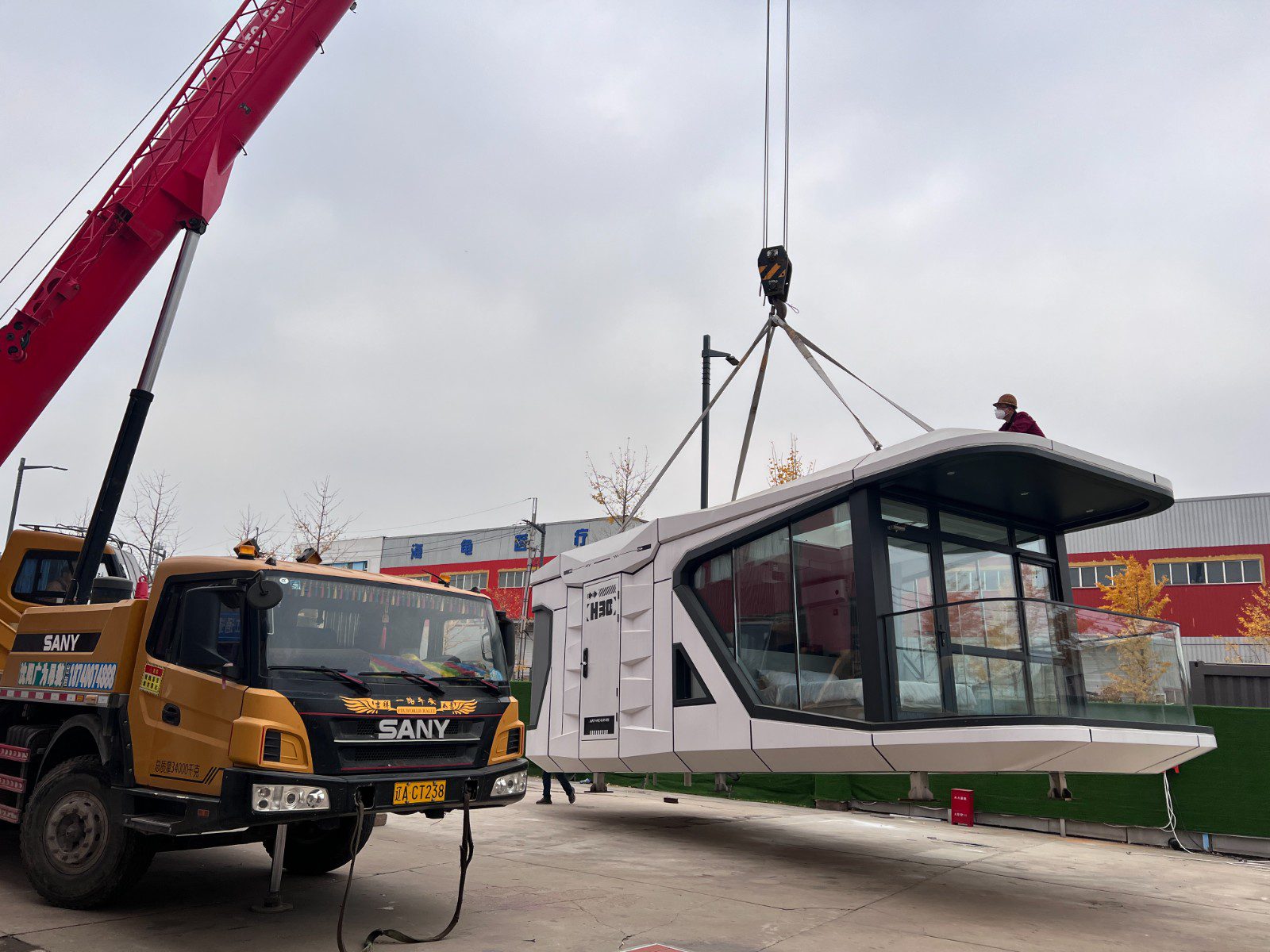
Container houses are transforming modern construction across Canada and around the world. From affordable modular homes to luxury prefab offices, shipping containers are now a mainstream building solution. But behind every successful container project is a crucial piece of equipment that often gets overlooked — the crane.
Without the proper crane planning, delivery, and placement strategy, even the most beautiful container home design can face delays, damage, or safety risks. In this comprehensive SEO guide, we explore how cranes power the container ho industry, how to choose the right crane for your project, and why crane logistics are just as important as the container itself.
Why Cranes Are Essential for Container Houses
Shipping containers are designed for durability and transportability, but they are also extremely heavy. A standard 20-foot container weighs over 2,200 kg empty, while a 40-foot unit can exceed 3,800 kg — and that’s before insulation, windows, interior finishes, and appliances are added.
A professional crane makes it possible to:
- Lift containers safely from delivery trucks
- Position units on foundations or piers
- Stack multiple containers for multi-level builds
- Install rooftop decks or modular additions
- Navigate tight urban or rural access points
Without a crane, precise placement would be nearly impossible. Forklifts and loaders may help with small units, but only a crane provides the vertical reach, control, and stability needed for container house installation.
How Cranes Enable Modern Modular Construction
The growth of container ho mirrors the evolution of crane technology. Today’s cranes are more precise, more mobile, and more efficient than ever before. Advanced hydraulic systems, computerized load balancing, and telescopic booms allow cranes to lift containers with millimeter-level accuracy.
Manufacturers such as Liebherr, Caterpillar, and The Manitowoc Company have played a significant role in advancing crane engineering. Their innovations allow container houses to be installed in places once considered inaccessible — from remote lakeside lots to dense urban neighborhoods.
Because of these advancements, container homes can now be delivered and installed in a single day, drastically reducing construction timelines compared to traditional ho.
Types of Cranes Used in Container House Projects
Choosing the correct crane type is one of the most important decisions in any container ho project. Different sites require different lifting solutions.
1. Mobile Truck Cranes
Mobile truck cranes are the most commonly used cranes for container houses. They are mounted on trucks and can be driven directly to the project site.
Benefits include:
- Fast setup time
- Excellent reach for residential projects
- Ideal for suburban or rural installations
- Lower cost compared to tower cranes
For most single-container homes or backyard offices, a mobile crane is the perfect solution.
2. Rough Terrain Cranes
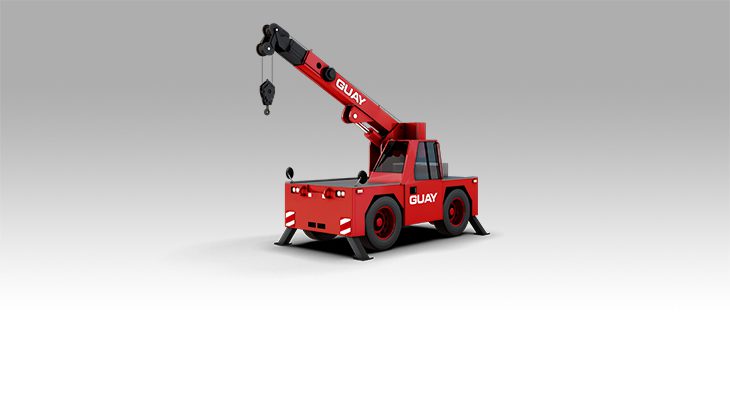
Rough terrain cranes are designed for uneven or undeveloped land. They are frequently used in rural Canadian properties where paved roads or finished driveways may not exist yet.
These cranes offer:
- Large off-road tires for stability
- Strong lifting capacity
- Compact turning radius
- Ability to operate on gravel, dirt, or slopes
If your container home will be installed on a forest lot, farmland, or lakeside property, a rough terrain crane is often the safest option.
3. Tower Cranes for Large Container Complexes
For multi-container apartment buildings or commercial container developments, tower cranes may be required. These cranes provide exceptional vertical reach and are commonly seen on urban construction sites.
Tower cranes are ideal when:
- Containers must be stacked several levels high
- Space around the project is limited
- Precise placement is critical
- Long-term construction is planned
Although more expensive, tower cranes enable ambitious modular container architecture that would otherwise be impossible.
The Crane Delivery Process for Container Houses
Many first-time container buyers underestimate how important crane planning is. A professional crane installation involves several coordinated steps.
Step 1: Site Assessment
Before delivery day, crane operators evaluate:
- Ground stability
- Clearance from power lines or trees
- Access roads and turning space
- Foundation readiness
- Weight of the container
This assessment ensures the crane can operate safely and efficiently.
Step 2: Scheduling the Crane and Delivery Together
Timing is critical. The crane and the container truck must arrive simultaneously. If one is late, additional hourly charges may apply.
Professional container companies coordinate this schedule in advance to minimize delays and costs.
Step 3: Container Lifting and Placement
Once onsite, the crane operator attaches lifting slings or chains to the container’s corner castings. The container is then lifted vertically, guided into place, and lowered gently onto its foundation.
Experienced operators can place a container with remarkable precision — even within a few centimeters of the desired location.
Step 4: Final Positioning Adjustments
After placement, small adjustments may be made :
- Pry bars
- Hydraulic jacks
- Leveling blocks
Once the container is perfectly aligned, it can be secured and connected to utilities.
Crane Safety Considerations
Safety is the number one priority when a crane for container installation. A container may look sturdy, but improper lifting can cause damage or risk injury.
Key crane safety practices include:
- Never standing under a suspended container
- Using certified lifting equipment
- Ensuring operators are licensed
- Verifying ground load capacity
- Maintaining safe distances from power lines
Professional crane services follow strict safety regulations, particularly in provinces with detailed construction codes such as Ontario, British Columbia, and Quebec.
Crane Costs for Container House Installation
Crane costs vary widely depending on the project’s complexity.
Typical crane pricing factors include:
- Lift weight
- Distance from crane to placement location
- Required boom length
- Duration of crane use
- Accessibility of the site
- Local labor costs
In Canada, residential container installations typically range between a few hundred dollars for simple placements and several thousand dollars for difficult lifts.
Although crane costs may seem significant, they represent a small portion of the overall project budget — and they ensure your container house is installed safely and correctly.
Planning Your Container House With Crane Logistics in Mind
The best container projects are designed with crane placement in mind from the beginning. Architects and site planners often consider crane access before finalizing building layouts.
Smart planning includes:
- Leaving enough space for crane setup
- Avoiding overhead obstructions
- Positioning foundations where cranes can reach
- Designing multi-container stacks with lifting sequences in mind
Ignoring these factors can result in expensive delays or the need for specialized cranes later in the project.
Environmental Benefits of Crane-Assisted Modular Construction
Using cranes for container installation is not just efficient — it’s environmentally responsible.
Because cranes allow containers to be installed quickly:
- Construction time is reduced
- Heavy machinery usage is minimized
- Site disturbance is limited
- Waste generation is lower
- Noise pollution is reduced
Container houses already promote sustainability by re steel structures. Efficient crane placement further improves the eco-friendly nature of modular construction.
Future Trends in Crane Technology for Container Homes
The future of cranes is closely tied to automation and digital construction.
Emerging trends include:
- GPS-guided crane positioning
- Remote-controlled lifts
- Load-sensing smart safety systems
- Electric cranes with reduced emissions
- AI-assisted lift planning software
These technologies will make container house installation faster, safer, and more affordable in the coming years.
As container architecture continues to evolve, cranes will remain at the heart of the process — silently enabling each new home, office, or commercial unit to take shape.
Why Choosing the Right Crane Matters
The crane you select can determine whether your container installation is smooth or stressful. A skilled crane operator and proper equipment ensure:
- Faster project completion
- Reduced risk of structural damage
- Improved safety on site
- Accurate container placement
- Lower long-term construction costs
For homeowners, businesses, and developers alike, investing in professional crane logistics is one of the smartest decisions in any container ho project.
Conclusion: The Crane Is the Backbone of Container House Installation
Container houses may represent the future of modular living, but cranes are the unsung heroes that make them possible. From lifting heavy steel modules to placing them with precision on prepared foundations, cranes enable the speed, efficiency, and innovation that define container construction.
Whether you are installing a single backyard office or developing a multi-unit container complex, planning for the right crane is essential. It ensures safety, protects your investment, and allows your container project to move from delivery to completed structure in record time.
As container homes continue to expand across Canada, cranes will remain a cornerstone of the industry — proving that sometimes the most important part of a home isn’t the walls or roof, but the equipment that puts them in place.
Comments are closed