
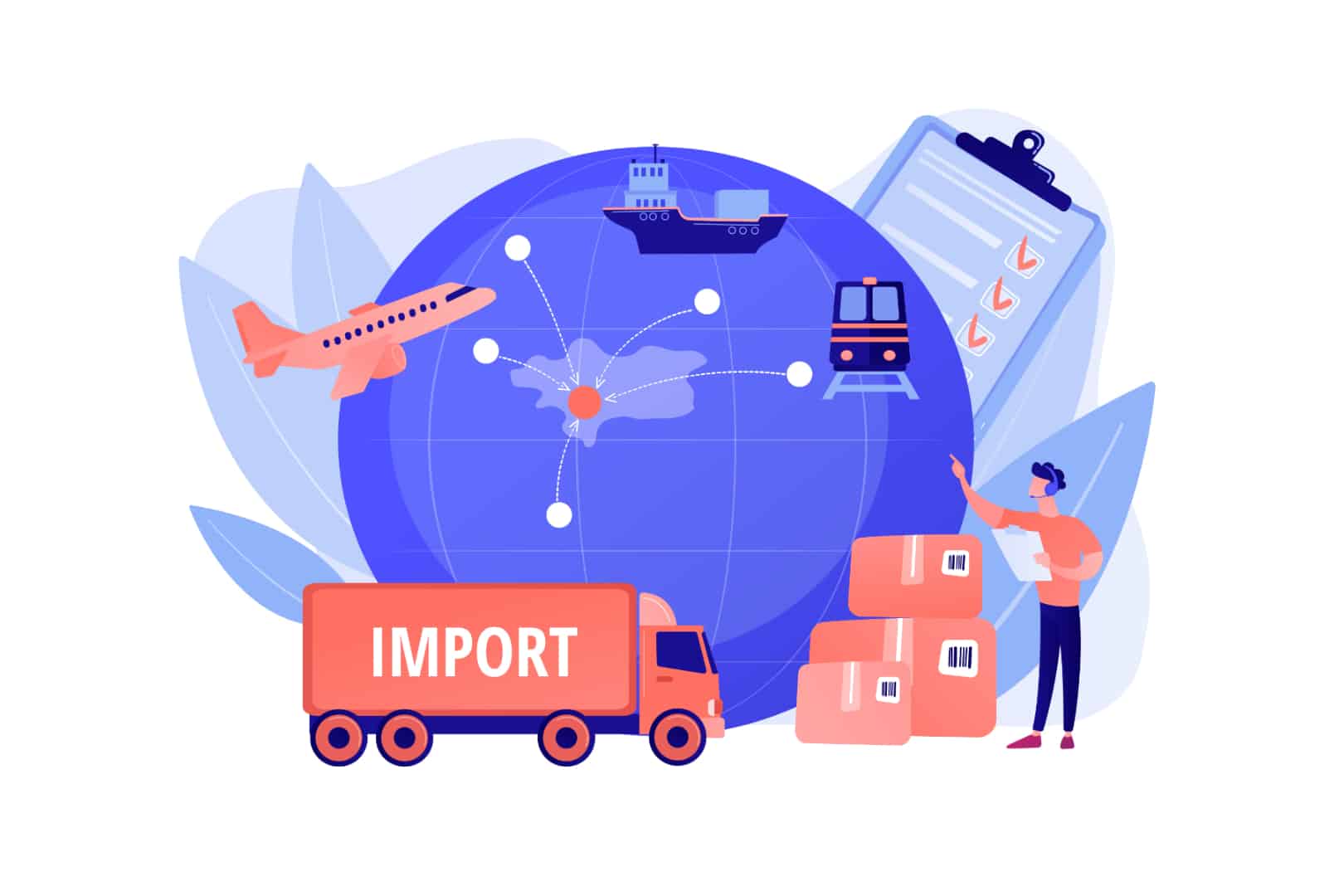

Politics and economics are deeply interconnected. Decisions made by governments, international organizations, and political leaders shape trade flows, investment patterns, currency values, and global supply chains. From tariffs to sanctions, elections to conflicts, politics influences the stability and direction of the world market every day.
Understanding this relationship helps businesses, investors, and consumers anticipate risks, identify opportunities, and make smarter decisions in an increasingly globalized economy.
The Relationship Between Politics and the World Market
International markets do not operate in isolation. They are governed by regulations, treaties, and diplomatic relationships between nations. Political actions can either open markets and stimulate economic growth or create uncertainty and restrict trade.
When governments adopt pro-trade policies, reduce barriers, and support globalization, markets tend to expand. Conversely, protectionism, political instability, and conflicts can disrupt supply chains and slow economic activity.
Organizations such as the
World Trade Organization
exist precisely to regulate trade relations and help resolve disputes between nations, showing how deeply politics shapes economic interactions.
Trade Policies and Tariffs
One of the clearest ways politics influences international markets is through trade policy. Governments use tariffs, quotas, and import restrictions to protect domestic industries or retaliate against competitors.
For example, during trade disputes between the
United States
and
China,
tariffs were imposed on hundreds of billions of dollars in goods. These decisions affected global supply chains, manufacturing costs, and even consumer prices worldwide.
Trade barriers often lead companies to relocate production, diversify suppliers, or seek new markets, demonstrating how political decisions reshape the world market.
External resources:
Political Stability and Investor Confidence
Investors seek stability. Countries with predictable legal systems, strong institutions, and stable governments tend to attract more foreign investment.
When political turmoil erupts — such as protests, sudden leadership changes, or corruption scandals — markets often react immediately. Stock markets fall, currencies weaken, and capital flows out of the region.
Institutions like the
International Monetary Fund
monitor political risks because they directly affect economic stability and global investment patterns.
Stable governance supports long-term growth, while political instability raises uncertainty and discourages investment.
Elections and Market Volatility
Election cycles often introduce uncertainty into markets. Investors do not simply evaluate current policies — they anticipate future ones.
If an election could lead to major changes in taxation, trade agreements, or environmental regulations, businesses may delay expansion plans until outcomes are clear.
Financial markets often fluctuate during election periods, especially in major economies such as the
European Union
or large democracies with global economic influence.
Political campaigns also affect currencies and commodities, as expectations about policy changes drive speculation.
Sanctions and Economic Pressure
Sanctions are powerful political tools used to influence international behavior. Governments impose restrictions on trade, finance, or travel to pressure other nations without direct military confrontation.
Sanctions can drastically reshape global markets by limiting access to resources, energy supplies, or financial systems.
For example, restrictions on oil exports from politically isolated countries often increase global energy prices, affecting industries and consumers worldwide.
Sanctions demonstrate how political decisions extend beyond borders and influence the global economy.
Central Banks and Political Influence
Although many central banks claim independence, monetary policy often intersects with political priorities.
Interest rates, inflation targets, and stimulus measures shape currency values and global capital flows. When the
Federal Reserve
adjusts interest rates, markets worldwide react.
Higher interest rates in the United States may attract global capital, strengthening the dollar and affecting emerging economies dependent on foreign investment.
Similarly, political pressure on central banks can undermine credibility and increase inflation risks, illustrating how governance impacts economics.
International Agreements and Trade Blocs
Trade agreements are among the most significant political tools influencing international markets.
Regional partnerships reduce tariffs, simplify regulations, and encourage cross-border investment. Agreements between nations create predictable environments for businesses and foster economic integration.
Examples include regional trade frameworks, bilateral agreements, and multinational economic partnerships.
When countries withdraw from agreements or renegotiate terms, markets often experience uncertainty and companies must adapt quickly.
Trade diplomacy therefore remains a major driver of the global economy.
Geopolitical Conflicts and Supply Chains
Geopolitical tensions can disrupt international markets more dramatically than almost any other political factor.
Conflicts can interrupt shipping routes, restrict access to raw materials, and destabilize entire regions.
Recent global supply chain disruptions showed how political conflicts, border controls, and sanctions can affect everything from electronics to food prices.
Businesses increasingly diversify suppliers and invest in regional production hubs to reduce geopolitical risk.
This shift toward supply chain resilience reflects the growing recognition that politics directly shapes economic stability.
Domestic Politics and Global Impact
Even domestic political decisions can have international consequences.
Policies on taxation, energy production, environmental regulation, and labor laws affect global competitiveness.
For example, changes in environmental policies may increase production costs domestically, encouraging companies to move manufacturing overseas.
Conversely, subsidies or infrastructure investments can strengthen export industries and attract foreign companies.
Domestic political agendas therefore influence not just local economies but the broader world market.
The Role of Political Leaders
Political leaders play a key role in shaping international markets through their policy priorities, rhetoric, and diplomatic relationships.
Leadership styles that emphasize cooperation and multilateralism often support open trade and stable investment environments.
In contrast, nationalist or protectionist approaches may prioritize domestic industries and reduce global integration.
Statements made by influential leaders can even move markets immediately, particularly when they signal potential policy shifts.
Politics is not only about legislation — it is also about perception and expectations.
Technology, Regulation, and Political Power
Governments increasingly regulate technology industries, data flows, and digital trade.
Decisions regarding cybersecurity, artificial intelligence, and digital privacy shape how companies operate globally.
Political conflicts over technology leadership influence semiconductor production, internet infrastructure, and innovation investment.
As the digital economy grows, political influence over technology sectors will play an even larger role in shaping international markets.
Environmental Policies and Global Economics
Climate policies are another area where politics strongly impacts markets.
Carbon pricing, renewable energy incentives, and environmental regulations affect industries worldwide.
Countries investing heavily in green technologies often create new economic sectors, while stricter environmental rules can raise production costs for traditional industries.
International agreements on climate goals influence investment flows, innovation priorities, and energy markets.
Politics therefore guides not only economic growth but also the direction of technological transformation.
More Articles
- https://containerhousescanada.ca/global-trade-and-shipping
- https://containerhousescanada.ca/international-construction-costs
- https://containerhousescanada.ca/economic-trends-ho
- https://containerhousescanada.ca/global-supply-chain-container-homes
Conclusion
Politics affects international markets in countless ways — through trade policy, sanctions, elections, regulation, and diplomacy. Every decision made by governments and institutions influences investor confidence, supply chains, and global economic growth.
Understanding this connection helps businesses prepare for uncertainty, identify opportunities, and remain competitive in the global economy.
As globalization continues to evolve, the relationship between politics and economics will only become more significant. Companies that monitor political trends alongside market indicators will be best positioned to succeed in the changing world market.
Comments are closed