
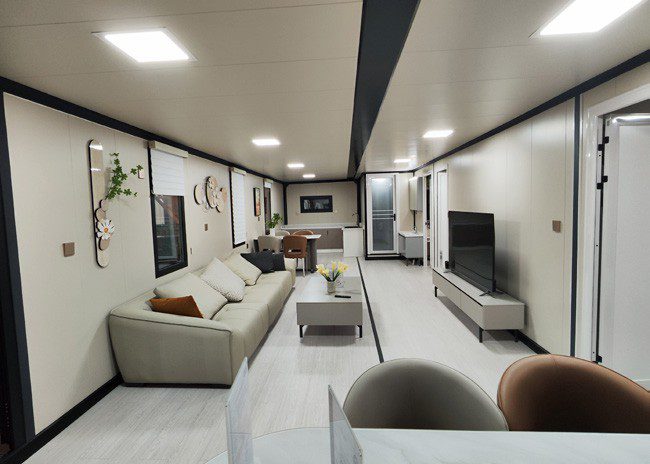
Lighting technology has evolved rapidly over the past two decades, and one of the most important innovations is the rise of LED lighting. Today, high-quality LED lights are not only known for their durability and long lifespan but also for their low electricity consumption and advanced spectrum control. Whether used in homes, businesses, greenhouses, or capsule ho projects, LED lighting systems offer efficiency, flexibility, and sustainability that traditional lighting simply cannot match.
In this article, we explore how quality LED lights reduce energy costs, improve lighting precision, and transform modern design and construction — including capsule structures and modular buildings.
The Shift Toward Energy-Efficient Lighting
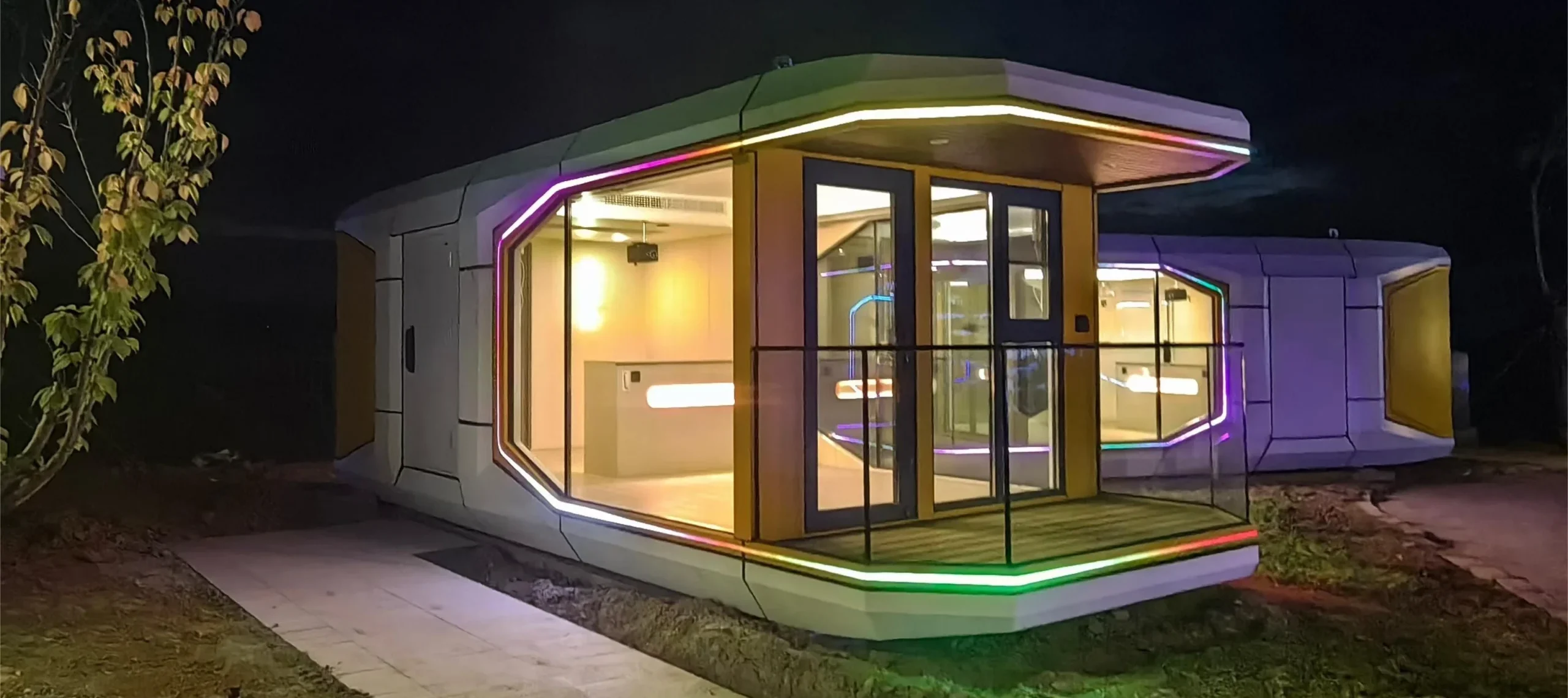
Traditional incandescent bulbs waste a significant amount of energy as heat. Even fluorescent lighting, once considered efficient, cannot compete with modern LEDs. High-quality LED lights convert most of their energy directly into light, making them far more efficient.
Organizations such as U.S. Department of Energy have repeatedly confirmed that LED lighting uses up to 75% less energy than incandescent bulbs and lasts significantly longer. This efficiency translates into real savings for homeowners and businesses alike.
Lower electricity consumption also means reduced strain on energy infrastructure and fewer carbon emissions, making LEDs an environmentally responsible choice.
Why Electricity Consumption Matters in Capsule Living
Capsule ho and modular living spaces depend heavily on efficient infrastructure. Because capsules are compact and optimized for sustainability, every watt of power counts.
LED lighting fits perfectly into capsule environments because:
- It produces minimal heat, reducing cooling needs
- It uses very little electricity
- It allows precise control over brightness and tone
- It integrates easily into smart systems
Capsule homes often rely on renewable energy sources such as solar panels. Using LED lighting ensures that stored energy lasts longer, increasing independence from external power sources.
For modular ho developers, this efficiency also lowers operational costs and increases long-term sustainability.
Understanding LED Spectrum Control
One of the most powerful features of modern LED lights is spectrum control. Unlike traditional bulbs that emit a fixed color temperature, LEDs can be tuned to produce specific wavelengths of light.
Spectrum control allows lighting systems to adjust:
- Color temperature (warm to cool light)
- Brightness intensity
- Color rendering accuracy
- Biological impact on humans
Research institutions including NASA have studied the effects of light spectrum on human performance and plant growth. Their findings confirm that different wavelengths influence sleep cycles, productivity, and even emotional well-being.
This makes LED lighting especially valuable in confined living environments such as capsule homes, where artificial lighting plays a larger role in daily life.
Benefits of Adjustable Light Spectrum
Improved Human Health and Comfort
Light spectrum affects circadian rhythms. Cooler light promotes alertness, while warmer light encourages relaxation. With LED spectrum control, spaces can shift lighting throughout the day to mimic natural sunlight patterns.
This approach improves:
- Sleep quality
- Focus and productivity
- Mood stability
- Eye comfort
In compact capsule spaces, where natural light may be limited, spectrum-controlled LEDs can simulate daylight cycles, supporting healthier living conditions.
Enhanced Plant Growth
LED spectrum control is also essential for indoor gardening and vertical farming. By tailoring light wavelengths, plants receive exactly what they need for photosynthesis.
Companies such as Philips Lighting have developed specialized LED systems that optimize plant growth while reducing electricity use. These systems are widely used in greenhouses and urban agriculture projects.
Capsule homes incorporating small indoor gardens or hydroponic setups benefit significantly from these targeted lighting solutions.
Precision Lighting for Workspaces
Modern work environments require lighting that reduces glare and enhances concentration. LED lights with spectrum control allow users to fine-tune their environment.
Cool white light improves alertness during working hours, while warmer tones create a comfortable atmosphere in the evening. This flexibility makes LED lighting ideal for multifunctional capsule interiors where the same room may serve as office, bedroom, and living space.
LED Lights and Smart Technology Integration
High-quality LED lighting systems are designed to integrate with smart home technology. Users can control brightness, color temperature, and schedules through apps or automated systems.
Smart LED systems can:
- Adjust lighting based on time of day
- Reduce power use automatically
- Sync with occupancy sensors
- Respond to natural daylight levels
Manufacturers like Cree Lighting have developed advanced LED technologies that maximize efficiency while maintaining excellent color rendering and longevity.
For capsule ho developers, this automation improves user comfort while lowering energy consumption.
Long Lifespan Reduces Maintenance Costs
Another advantage of quality LED lights is durability. Traditional bulbs may last only a few thousand hours, but LEDs can operate for 25,000 to 50,000 hours or more.
This longevity means:
- Fewer replacements
- Lower maintenance costs
- Reduced waste
- Less disruption in compact living spaces
Capsule ho units often have integrated lighting systems where replacing fixtures can be difficult. Long-lasting LEDs eliminate this problem and improve overall reliability.
Environmental Advantages of LED Lighting
Lower electricity consumption directly reduces greenhouse gas emissions. Additionally, LEDs contain no mercury and produce less waste than fluorescent lighting.
Sustainability benefits include:
- Reduced landfill waste
- Lower carbon footprint
- Decreased energy demand
- Compatibility with renewable power
For eco-friendly construction projects, including capsule developments, LED lighting supports sustainability certifications and green building standards.
LED Lighting Design Flexibility
LED lights are small, versatile, and adaptable to almost any design. They can be embedded into walls, ceilings, floors, or furniture.
In capsule environments, designers use LEDs to create:
- Ambient indirect lighting
- Under-cabinet illumination
- Backlit panels
- Color-changing accent lighting
This flexibility allows compact spaces to feel larger, brighter, and more welcoming.
Cost Savings Over Time
Although quality LED lights may have a higher upfront cost than traditional bulbs, the long-term savings are substantial.
Lower electricity consumption plus long lifespan equals:
- Reduced monthly utility bills
- Lower maintenance expenses
- Increased property value
- Faster return on investment
For developers, installing LED systems can also serve as a strong selling point for eco-conscious buyers.
Internal Links to Related Content
You may link internally to:
- https://containerhousescanada.ca/benefits-of-capsule-ho/
- https://containerhousescanada.ca/energy-efficient-container-homes/
- https://containerhousescanada.ca/smart-lighting-for-modular-homes/
- https://containerhousescanada.ca/sustainable-building-materials/
These internal links help improve SEO authority and user engagement.
External Reference Links
For authority and SEO trust signals, consider linking to:
These sources strengthen credibility and demonstrate alignment with recognized organizations.
Future of LED Lighting in Capsule and Modular Ho
The future of lighting is intelligent, efficient, and adaptable. LED technology continues to evolve with improvements in energy efficiency, spectrum precision, and automation.
As capsule ho becomes more popular worldwide, efficient lighting solutions will play a crucial role in comfort, sustainability, and affordability.
Quality LED lights are no longer just an upgrade — they are an essential component of modern living.
Their ability to reduce electricity consumption, control light spectrum, and integrate into smart systems makes them one of the most valuable technologies in contemporary construction and interior design.
Comments are closed