
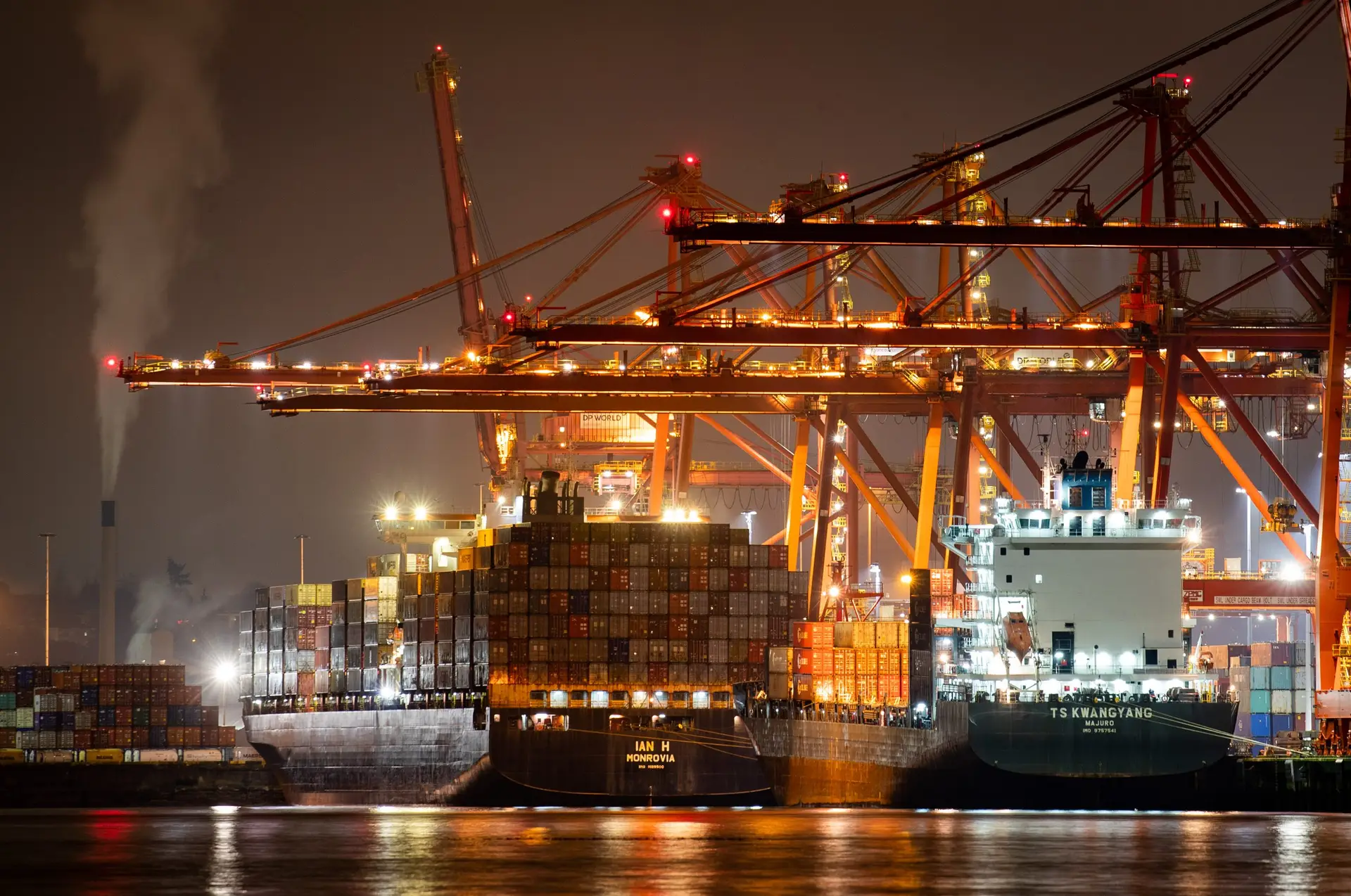
International sea transport is the backbone of global trade, carrying around 80–90% of the world’s goods by volume. From raw materials and food to electronics and energy supplies, maritime shipping connects continents, supports economic growth, and shapes geopolitical relationships. Despite being centuries old, sea transport remains indispensable in the modern, hyper-connected global economy.
The foundation of global commerce
International maritime shipping enables countries to specialize in producing goods where they have advantages and import what they lack. For example, oil from the Middle East, manufactured goods from East Asia, and agricultural exports from the Americas all move through interconnected shipping routes. Organizations like the International Maritime Organization regulate safety, environmental standards, and legal frameworks to keep this system functioning smoothly.
Shipping is attractive because it is cost-efficient. A single container vessel can carry tens of thousands of containers at once, dramatically lowering transport costs per unit. This efficiency supports mass consumption and global supply chains, allowing products assembled from components sourced across multiple continents.
Key maritime routes and chokepoints
Global shipping depends on strategic waterways and canals. The Suez Canal is a critical link between Europe and Asia, cutting thousands of kilometers off routes that would otherwise circle Africa. Similarly, the Panama Canal connects the Atlantic and Pacific Oceans, enabling faster transit between the Americas and Asia.
These chokepoints are economically vital but also vulnerable. When the Suez Canal was blocked by the container ship Ever Given in 2021, global trade experienced delays worth billions of dollars. Such events demonstrate how fragile supply chains can be when reliant on a few strategic passages.
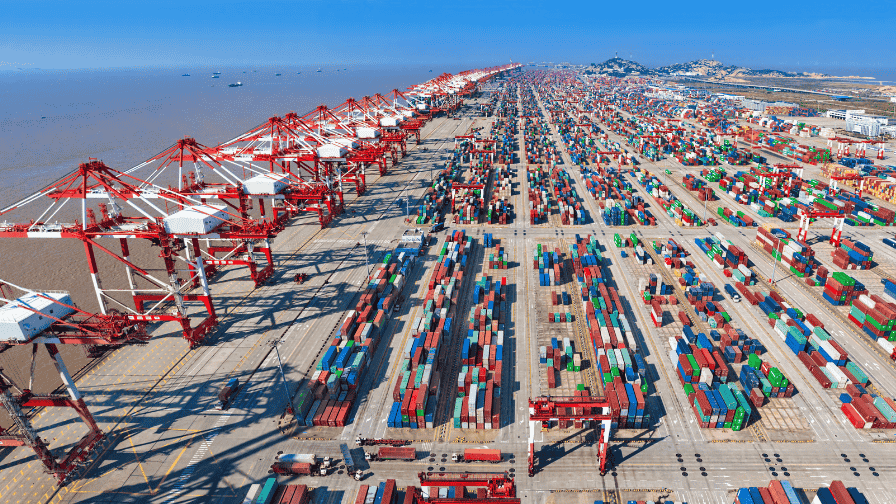
Beyond canals, major shipping lanes cross the South China Sea, the Strait of Malacca, and the North Atlantic. Ports in cities like Shanghai, Singapore, Rotterdam, and Los Angeles act as hubs linking maritime and land transport networks.
The role of shipping companies
Large multinational shipping companies operate fleets of container ships, bulk carriers, and tankers. Firms such as Maersk and Mediterranean Shipping Company dominate container shipping, managing complex logistics networks across hundreds of ports.
These companies have evolved from simple cargo carriers into integrated logistics providers. Many now offer door-to-door supply chain solutions, digital tracking, predictive analytics, and automated ports to improve efficiency. Their influence extends beyond transport into global manufacturing strategies, as companies design production systems around reliable shipping schedules.
Economic impact
International sea transport underpins globalization. It enables lower production costs, wider product variety, and more competitive markets. Developing countries benefit especially, as maritime trade allows them to access foreign markets and integrate into global value chains.
The UNCTAD reports that maritime trade growth is closely linked to global GDP expansion. When shipping slows—due to economic crises, pandemics, or geopolitical tensions—world trade and industrial output typically decline as well.
Ports also generate local economic activity. They create jobs in logistics, wareho, customs, and transportation infrastructure. Major port cities often become financial and industrial centers due to their strategic connectivity.
Environmental challenges
While maritime transport is efficient per ton-kilometer, its sheer scale makes it a significant contributor to greenhouse gas emissions. Ships burn heavy fuel oil, producing carbon dioxide, sulfur oxides, and nitrogen oxides. Coastal pollution and marine ecosystem disruption are growing concerns.
To address this, the International Maritime Organization has introduced emission reduction targets and fuel regulations. Shipping companies are exploring alternatives such as liquefied natural gas, hydrogen, ammonia, and electric hybrid systems. Innovations in hull design, wind-assisted propulsion, and route optimization also aim to reduce fuel consumption.
Sustainability is becoming a competitive factor, as governments and consumers increasingly demand greener supply chains. Ports are investing in shore-power systems, allowing ships to shut down engines while docked and reduce emissions in urban areas.
Technological transformation
Digitalization is reshaping maritime transport. Smart containers equipped with sensors can track temperature, humidity, and location in real time, improving cargo security and efficiency. Artificial intelligence helps predict maintenance needs, optimize routes, and reduce delays.
Automation is also transforming ports. Some terminals now use automated cranes, driverless trucks, and advanced scheduling software to speed up cargo handling. These developments reduce turnaround times and improve reliability across supply chains.
Blockchain technology is being tested to streamline documentation, reduce fraud, and improve transparency in shipping transactions. If widely adopted, it could significantly cut administrative costs and delays caused by paperwork and customs procedures.
Geopolitical dimensions
Sea transport is not only economic but also strategic. Control over maritime routes influences national security and international relations. Naval presence, port access agreements, and maritime law disputes often shape shipping patterns.
Rising geopolitical tensions, trade disputes, and regional conflicts can disrupt shipping lanes or increase insurance costs. Piracy in certain regions, particularly near the Horn of Africa and parts of Southeast Asia, has historically threatened maritime security. International cooperation and naval patrols have helped reduce these risks, but they remain a concern.
The future of international sea transport
The maritime industry faces a period of transformation driven by environmental pressures, technological innovation, and changing trade patterns. The growth of e-commerce, regional manufacturing shifts, and climate policies will reshape shipping routes and fleet designs.
Arctic routes may become more viable as ice coverage decreases, potentially shortening travel times between Europe and Asia. However, these routes bring environmental risks and political complexities that will require careful regulation.
Ultimately, international sea transport will remain essential to global prosperity. As economies continue to interconnect, maritime shipping will adapt through innovation, sustainability efforts, and international cooperation. The ships that cross the oceans today are not just moving goods—they are carrying the foundations of the modern world economy.
Comments are closed