
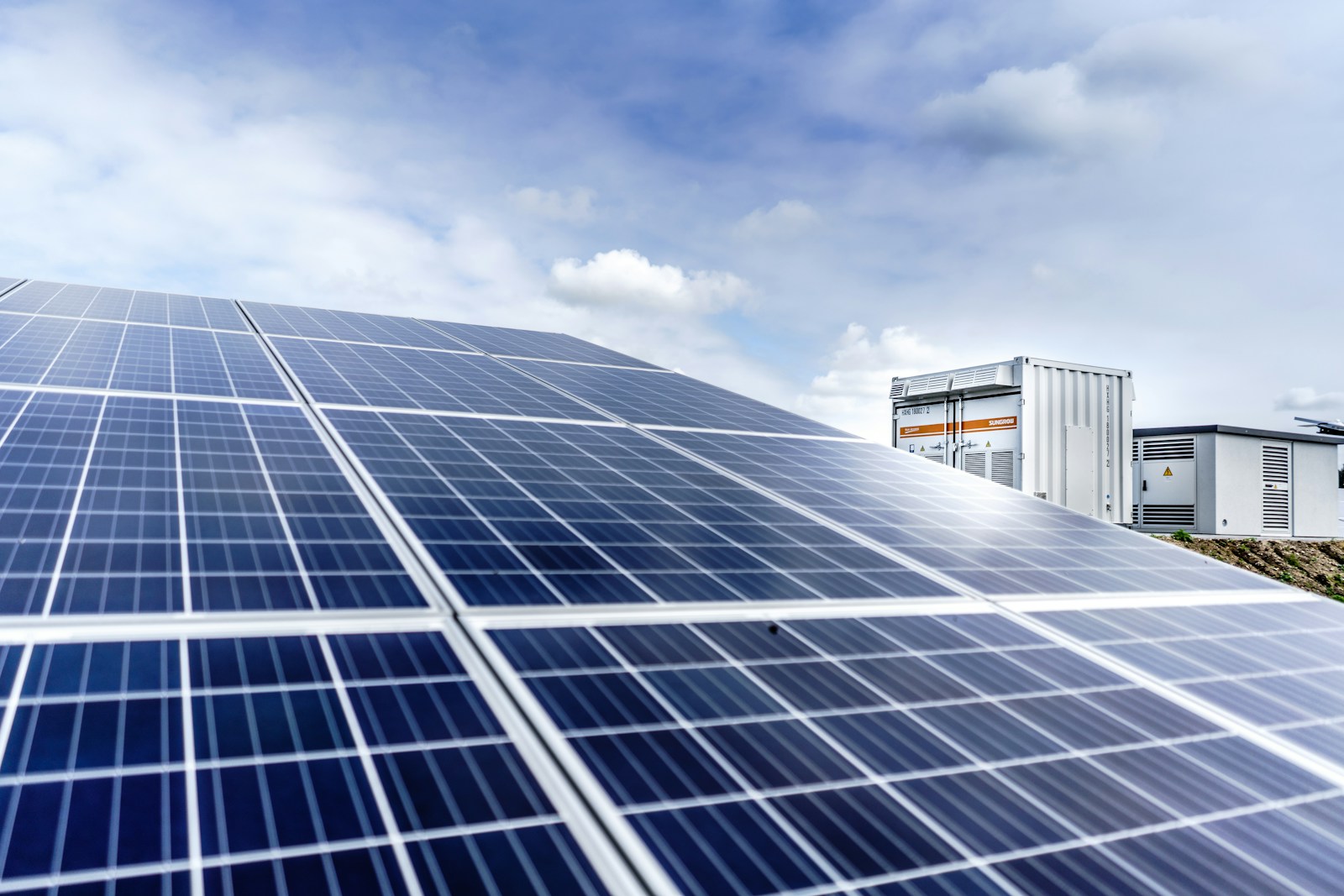
Solar energy is everywhere. The sun rises every morning, shines across rooftops, fields, and cities, and disappears again at night — only to repeat the cycle the next day. For decades, homeowners and investors have asked the same question: Is Solar Energy Worth It for a Container House?
With rising electricity prices, growing environmental awareness, and increasing innovation in renewable technology, solar energy has moved from a niche idea to a mainstream option. But the decision to install solar panels is still significant. It involves investment, research, and long-term planning.
In this in-depth guide, we’ll explore:
- How solar energy works
- The real costs involved
- How to estimate energy savings for your property
- Environmental and financial considerations
- Potential drawbacks
- Project-specific payback and financial analysis
- Current federal, provincial, territorial and utility programs
- Whether solar energy is truly worth it for you
Let’s start with the basics.
Understanding Solar Energy
Solar energy is the power we capture from the sun and convert into usable electricity. The most common method is through photovoltaic (PV) panels installed on rooftops or ground mounts.
When sunlight hits a solar panel, it excites electrons in silicon cells, generating direct current (DC) electricity. An inverter then converts this DC electricity into alternating current (AC), which powers your home.
Organizations like International Energy Agency report that solar energy is one of the fastest-growing renewable energy sources worldwide. According to International Renewable Energy Agency, solar power capacity has expanded dramatically in the past decade, driven by falling costs and supportive policies.
The key takeaway? Solar energy is no longer experimental — it’s established and scalable.
Why Solar Energy Has Become So Popular
Several factors have accelerated solar adoption:
1. Rising Electricity Costs
Electricity rates vary by province, utility, rate class and time period. Homeowners want predictable energy expenses. Solar can offset some electricity purchased from the grid when the site, system size, production profile and local tariff support it.
2. Improved Technology
Modern panels are more efficient and durable than early models. Panel, inverter, battery, workmanship and performance warranty terms vary by manufacturer and installer and should be reviewed for the selected system.
3. Environmental Awareness
Reducing carbon emissions has become a global priority. Solar energy produces electricity without burning fossil fuels, helping reduce greenhouse gases.
4. Current federal, provincial, territorial and utility programs
Solar incentives, financing programs and net-metering rules change over time and vary by jurisdiction and utility. Confirm current eligibility before an incentive in a project budget. In Canada, programs are often detailed through Natural Resources Canada, which provides guidance on renewable energy adoption.
The Real Cost of Solar Energy
The most common question remains: How much does it cost?
Upfront Installation Cost
The cost depends on:
- System size (kW capacity)
- Roof type and condition
- Geographic location
- Equipment brand
- Installation complexity
System cost varies widely with capacity, equipment, roof or ground-mount work, electrical upgrades, labour, permitting, storage and location. Obtain current Canadian quotations for the property.
While that number can seem high, it’s important to look beyond the sticker price.
How Solar Energy Helps Lower Cost Over Time
Solar energy is not just about environmental benefits — it’s about long-term savings.
1. Reduced Electricity Bills
After installation, solar production can offset purchased electricity, but the system still has capital, financing, maintenance, insurance and eventual component-replacement costs. The more energy you generate, the less you purchase from the grid.
2. Net Metering Benefits
In many regions, excess power can be sent back to the grid for credits. Policies are often regulated by energy authorities such as the U.S. Department of Energy in the United States or provincial regulators in Canada.
3. Protection Against Rate Increases
Future electricity rates and solar production are not guaranteed. Financial models should use explicit assumptions for rates, degradation, maintenance, financing and equipment replacement.
4. Possible property-market effects that should not be assumed
Do not assume a property-value premium. Resale effects vary by market, ownership/financing arrangement, system age, condition and buyer preferences.
Solar Energy and Project-specific payback and financial analysis (ROI)
When evaluating “Is Solar Energy Worth It for a Container House?”, ROI is critical.
Typical Payback Period
Payback varies by system cost, solar production, electricity tariff, incentives, financing, maintenance and equipment replacement, depending on:
- Sun exposure
- System size
- Local energy rates
- Incentives
After a calculated payback point, the system can continue offsetting electricity purchases, subject to production, maintenance, degradation and equipment condition.
Long-term savings must be modelled for the specific system and cannot be guaranteed from a generic article.
Environmental Benefits of Solar Energy
The sun provides clean, renewable power without emissions during operation.
Carbon Reduction
Solar energy reduces reliance on coal, oil, and natural gas. Each system installed lowers the carbon footprint of the household.
Reduced Air Pollution
Less fossil fuel combustion means improved air quality.
Sustainable Resource
The sun is an unlimited energy source on a human time scale. Unlike fossil fuels, it won’t run out.
Organizations such as World Resources Institute emphasize renewable adoption as a key strategy for climate mitigation.
Potential Drawbacks of Solar Energy
To fairly answer “Is Solar Energy Worth It for a Container House?”, we must examine challenges.
1. High Initial Investment
Although costs have dropped significantly, upfront expenses can still be substantial.
2. Weather Dependence
Solar panels produce less power on cloudy days and none at night. However, grid connection or appropriately designed storage can address some supply gaps, subject to system design and local rules.
3. Space Requirements
Not every roof has optimal orientation or shading conditions.
4. Battery Costs
Energy storage systems increase independence but add to the initial price.
Solar Energy vs Traditional Electricity
| Factor | Solar Energy | Traditional Grid |
|---|---|---|
| Fuel Source | Sun | Fossil fuels |
| Emissions | None during use | CO₂ emissions |
| Cost Stability | Predictable | Variable |
| Maintenance | Low | Not applicable |
Whether solar provides a lower effective cost per kilowatt-hour depends on the complete installed cost, financing, production, tariff, maintenance and service life.
How Location Affects Solar Worth
Geography plays a major role.
High Sun Regions
States like Arizona or countries near the equator see faster ROI due to stronger sun exposure.
Moderate Sun Regions
Even in Canada, solar works effectively. Modern panels perform well in cooler climates, and snow can reflect additional light.
Contrary to common belief, solar panels rely on light — not heat.
Current federal, provincial, territorial and utility programs and Rebates
Incentives significantly improve affordability.
Federal Tax Credits
In the U.S., homeowners may qualify for federal solar tax credits.
Provincial and Local Programs
In Canada, rebates vary by province. Program value and eligibility change over time; verify the current program before budgeting.
An eligible incentive can affect the project economics, but the amount and payback effect are project-specific.
Maintenance and Longevity
Solar panels require minimal maintenance:
- Occasional cleaning
- Annual inspection
- Inverter replacement after 10–15 years
Service life varies by component, product quality, installation, exposure and maintenance. Review manufacturer documentation and replacement assumptions.
Solar Financing Options
Not everyone pays upfront.
Options include:
- Solar loans
- Leasing
- Power purchase agreements (PPAs)
- Home equity financing
Financing spreads the capital cost over time and can increase total financing expense; compare loan payments with expected energy savings.
Is Solar Energy Worth It for Businesses?
Commercial solar economics depend on load profile, tariff, tax treatment, incentives, roof/site conditions and financing. due to:
- Larger roof space
- Higher daytime energy usage
- Business tax incentives
Solar may reduce purchased electricity costs where production aligns with the site’s electricity use and tariff.
Solar Energy and Reduced grid purchases and optional backup capability when properly designed
Installing solar provides partial independence from the grid.
Outage backup requires a system specifically designed for islanding/backup operation; solar panels alone generally do not guarantee power during an outage.
Reduced grid purchases and optional backup capability when properly designed adds security and resilience.
The Future of Solar Energy
Solar technology continues to improve:
- Higher efficiency panels
- Lower manufacturing cost
- Improved battery storage
- Smart grid integration
Global energy strategies increasingly prioritize renewable adoption.
Future equipment and installation costs are uncertain.
Frequently Asked Questions
Does solar energy work in winter?
Yes. Solar panels work in cold temperatures and can perform efficiently in winter conditions.
How long does installation take?
Installation time depends on system size, electrical work, roof/site conditions, permits, utility requirements and installer scheduling.
What happens at night?
Homes draw power from the grid or battery storage.
Is Solar Energy Worth It for a Container House? Final Verdict
So, Is Solar Energy Worth It for a Container House?
Solar may be worth evaluating for homeowners with:
- Adequate sun exposure
- Long-term property plans
- Access to incentives
- Rising electricity costs
The answer is yes.
Solar energy offers:
- Potential long-term electricity savings based on the project economics
- Environmental benefits
- Reduced grid purchases and optional backup capability when properly designed
- Possible property-market effects that should not be assumed
While the upfront investment may seem high, the financial and environmental results should be calculated for the specific property and system.
The sun shines every day — and capturing its energy is no longer futuristic. It’s practical, proven, and increasingly affordable.
If your goal is to reduce monthly bills, protect against rising energy rates, and invest in sustainable living, solar energy can be evaluated current quotes, utility tariffs, available programs and a site-specific production estimate.
Internal Resources You May Find Helpful
- Learn about energy efficiency upgrades: Energy-Efficiency Planning
- Compare renewable energy systems: Renewable-Energy Planning
- Financing options explained: Financing Information
- Home improvement investment tips: Project Budgeting
- International Energy Agency: https://www.iea.org
- International Renewable Energy Agency: https://www.irena.org
- Natural Resources Canada: https://natural-resources.canada.ca
- U.S. Department of Energy: https://www.energy.gov