
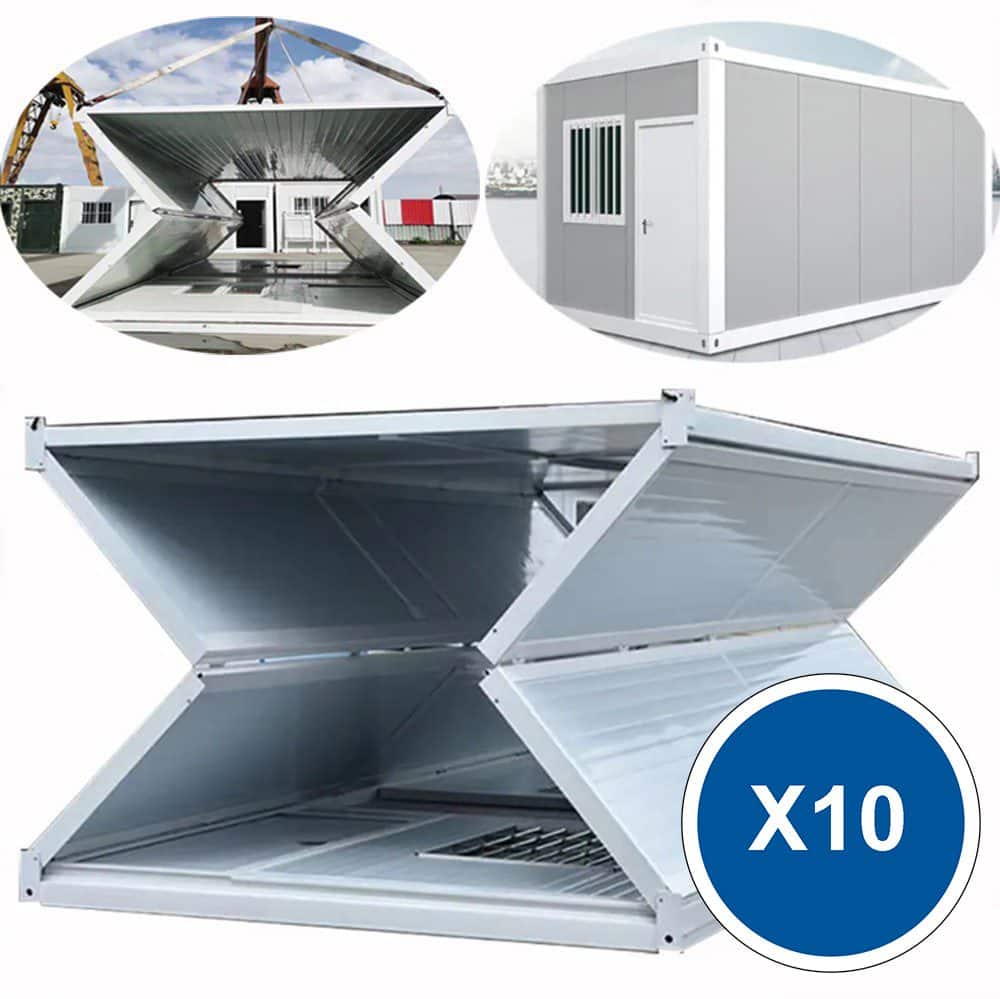
The rise of foldable containers in modern construction
Construction sites, industrial yards, and temporary projects all face a common challenge: they need space that can be installed quickly, used efficiently, and moved without major cost. Traditional buildings take time, permits, and heavy investment. Shipping containers offer durability but can be costly to transport and difficult to reposition.
This is where foldable containers have become a game-changer. Designed for rapid deployment and efficient transportation, they provide flexible infrastructure for both storage containers and construction offices. Whether used for tools, documents, staff facilities, or site management, foldable modular units allow companies to create functional workspaces within hours rather than weeks.
From infrastructure projects to remote job sites, businesses increasingly rely on foldable container solutions to meet deadlines, reduce overhead, and improve mobility. This article explores how these structures work, their advantages, and why they are becoming a preferred solution across construction, logistics, and industrial sectors.
What are foldable containers?
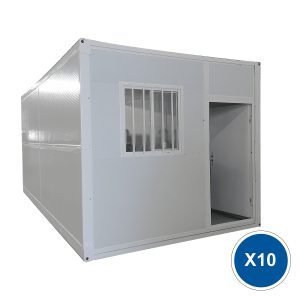
Foldable containers are modular steel structures designed to collapse into compact packages for transportation. Once delivered on site, they can be unfolded, assembled, and ready for use in a fraction of the time required for conventional modular buildings.
Unlike standard shipping containers, foldable models:
- Require fewer trucks for transport
- Reduce shipping and handling costs
- Can be installed quickly without heavy equipment
- Offer customizable layouts for storage or office use
Their structure typically includes insulated wall panels, reinforced frames, electrical pre-wiring options, and flooring systems designed for durability in outdoor environments.
Why construction companies prefer foldable container offices
1. Rapid deployment saves time and money
Construction timelines are tight, and delays are costly. Foldable containers allow project managers to install site offices within hours of delivery. Instead of waiting weeks for prefabricated buildings or trailers, teams can immediately set up:
- Site offices
- Meeting rooms
- Safety stations
- Break areas
- Documentation storage
This rapid setup improves project efficiency and reduces downtime.
Organizations such as Occupational Safety and Health Administration emphasize the importance of organized workspaces for safety compliance. Proper site offices help ensure records, safety plans, and communications remain accessible and protected.
2. Easy relocation between job sites
Construction is inherently temporary. Once a project finishes, site infrastructure must move. Foldable containers solve this challenge by collapsing into transport-ready units that can be shipped to the next site.
This mobility offers major advantages:
- Reduced logistics costs
- Minimal dismantling labor
- Reusable infrastructure across projects
- Faster setup at the next location
Instead of purchasing new site buildings for each project, companies can reuse the same foldable container fleet for years.
3. Durable construction for harsh environments
Construction sites expose buildings to weather, dust, and heavy use. Foldable containers are built from reinforced steel frames and industrial panels designed to withstand:
- Extreme temperatures
- Heavy rainfall or snow
- Dust and debris
- Frequent relocation
Quality models often meet structural standards similar to those promoted by International Organization for Standardization, ensuring durability and long service life.
Storage containers: flexible space for tools and materials
While offices improve productivity, secure storage is equally important. Foldable containers provide an ideal solution for protecting equipment and materials on construction sites.
Benefits of foldable storage containers
1. Secure protection
Lockable steel doors and reinforced panels prevent theft and protect valuable equipment.
2. Weather resistance
Insulated panels and sealed joints help keep contents dry and safe.
3. Organized inventory management
Shelving, racks, and lighting systems can be installed to maintain orderly storage.
4. Rapid expansion when needed
As projects grow, additional units can be deployed quickly.
Foldable storage containers are commonly used for:
- Power tools and machinery
- Electrical components
- Plumbing materials
- Site documentation
- Personal protective equipment
By modular storage units, companies reduce losses, improve efficiency, and maintain cleaner work environments.
Cost efficiency compared to traditional site buildings
Lower transportation costs
Because foldable containers collapse flat, multiple units can be transported on a single truck. This dramatically reduces logistics expenses compared to transporting full-size modular buildings or trailers.
Reduced installation expenses
Installation usually requires:
- Minimal labor
- Basic tools
- Little or no foundation work
This eliminates crane rental, heavy machinery costs, and extended installation time.
Long-term reusability
Unlike temporary wooden structures that deteriorate quickly, foldable containers are designed for repeated use across multiple projects. This spreads the investment cost over many years and reduces overall site infrastructure spending.
Sustainability and environmental advantages
Sustainability has become a key concern in construction. Foldable containers support greener operations in several ways:
1. Reusable modular design
Instead of building disposable site structures, companies reuse containers for multiple projects. This reduces waste and resource consumption.
2. Efficient transport reduces emissions
Transporting folded units requires fewer vehicles, which lowers fuel usage and emissions per project.
3. Energy-efficient insulation options
Many modern foldable container systems include insulated panels that improve thermal performance, reducing heating or cooling needs.
Green building programs promoted by organizations like U.S. Green Building Council encourage the use of modular, reusable structures to minimize environmental impact.
Customization options for construction offices
Foldable containers are far more versatile than simple metal boxes. They can be configured for a wide range of uses, including:
Office configurations
- Single manager office
- Open workspace for staff
- Conference rooms
- Planning and design offices
- Reception areas
Interior features
- Electrical wiring and outlets
- LED lighting
- Climate control systems
- Sound insulation
- Windows and security shutters
Exterior modifications
- Stairs and access platforms
- Covered walkways
- Linked modular complexes
- Branding and company signage
These customization options allow companies to create professional, functional workspaces even in remote environments.
Safety advantages on construction sites
Proper infrastructure improves safety and organization. Foldable containers help create:
- Dedicated safety meeting rooms
- Secure storage for protective equipment
- Controlled document storage areas
- Shelter during severe weather
Well-organized sites reduce confusion, improve communication, and help maintain compliance with industry safety practices.
Use cases beyond construction
While construction companies are major users, foldable containers are also used in:
Emergency response operations
Rapidly deployable offices and storage units help relief teams establish operational bases quickly after disasters.
Mining and energy projects
Remote extraction sites benefit from mobile offices and storage that can move with project phases.
Industrial maintenance shutdowns
Temporary projects requiring short-term infrastructure often rely on foldable container facilities.
Event infrastructure
Large events use foldable units for ticket offices, storage, and operations control rooms.
Choosing quality foldable containers: what to look for
Not all foldable containers offer the same performance. Buyers should evaluate:
Structural integrity
Look for reinforced steel frames and tested load-bearing capacity.
Insulation performance
Quality wall panels improve comfort for office use and protect stored equipment.
Assembly efficiency
Well-designed containers can be assembled with minimal tools and manpower.
Compliance with standards
Products designed in line with recognized safety and manufacturing standards ensure reliability.
Internal resources for modular space solutions
For more insights on modular ho, container structures, and construction planning, explore these guides:
- https://containerhousescanada.ca/modular-container-offices
- https://containerhousescanada.ca/container-storage-solutions
- https://containerhousescanada.ca/portable-construction-buildings
- https://containerhousescanada.ca/container-project-planning
These resources explain how modular container systems can be adapted for residential, commercial, and industrial applications.
External references and further reading
- https://www.iso.org/standards.html
- https://www.osha.gov/workplace-safety
- https://www.usgbc.org/leed
- https://www.modular.org
These sources provide guidance on construction safety, modular standards, and sustainable building practices.
Future trends in foldable container construction
The popularity of foldable containers continues to grow as manufacturers develop new technologies, including:
- Smart monitoring systems
- Solar-ready roof designs
- Improved insulation materials
- Faster assembly mechanisms
- Integrated digital security
As construction projects become more mobile and efficiency-driven, foldable infrastructure will likely become a standard component of site planning.
Conclusion: why foldable containers are the smart choice
Foldable containers represent one of the most efficient infrastructure solutions available today. Their ability to provide secure storage containers and professional construction offices with rapid deployment makes them ideal for modern construction projects.
They reduce setup time, cut transportation costs, improve site organization, and offer long-term reusability. For companies managing multiple projects or remote operations, investing in quality foldable containers can dramatically improve operational efficiency and flexibility.
As industries move toward modular, sustainable, and mobile solutions, foldable containers are no longer just a temporary option — they are becoming a strategic asset for forward-thinking construction and logistics companies.
Comments are closed