
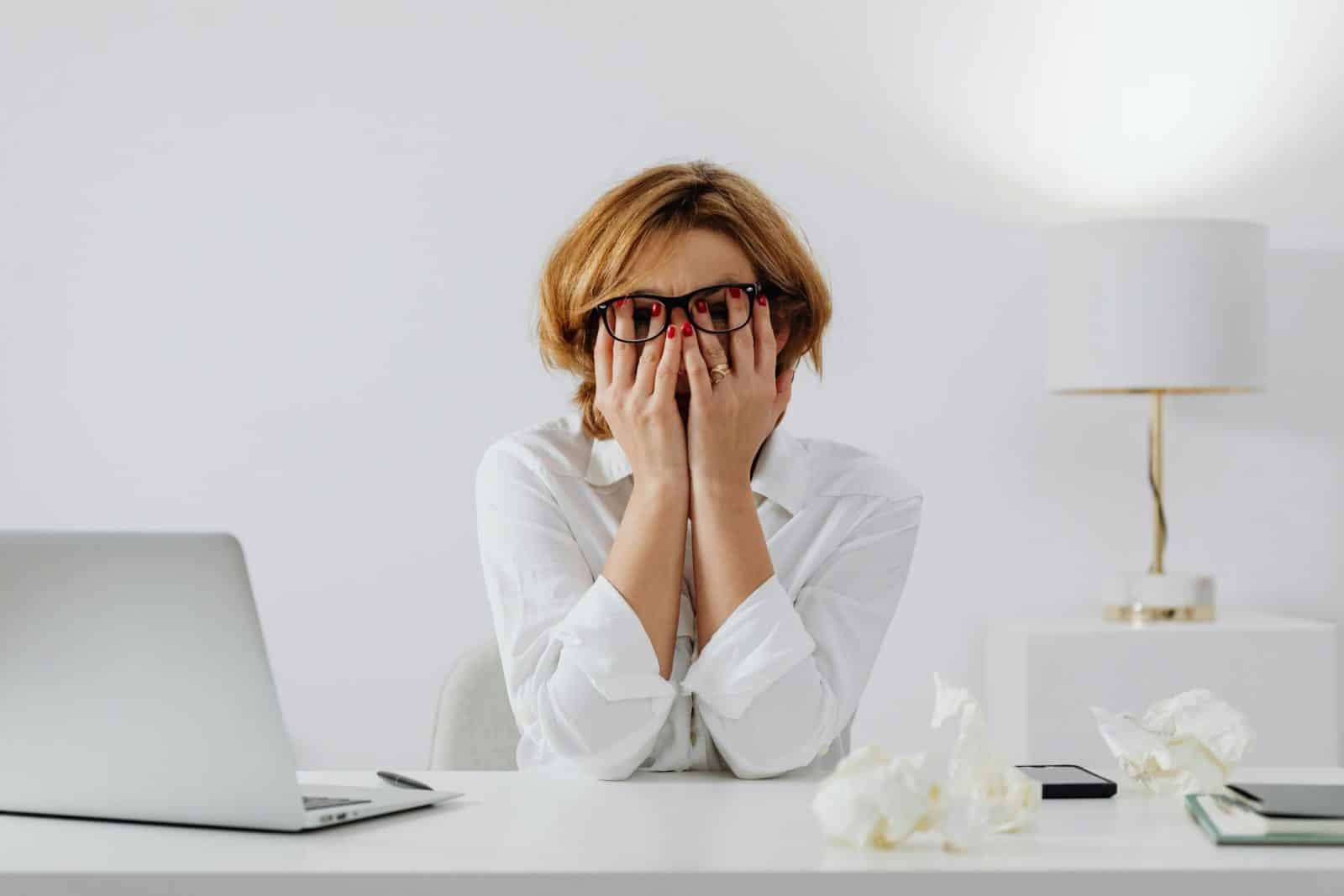
Stress is part of modern life. From work deadlines and financial pressures to family responsibilities and global uncertainty, stress has become a daily companion for millions. While short-term stress can motivate action and improve performance, chronic stress can seriously damage your health, relationships, and overall life satisfaction.
Understanding the connection between stress, anxiety, and long-term well-being is essential. In this comprehensive guide, we explore what stress really is, how it affects the body and mind, and practical strategies to regain balance.
What Is Stress?
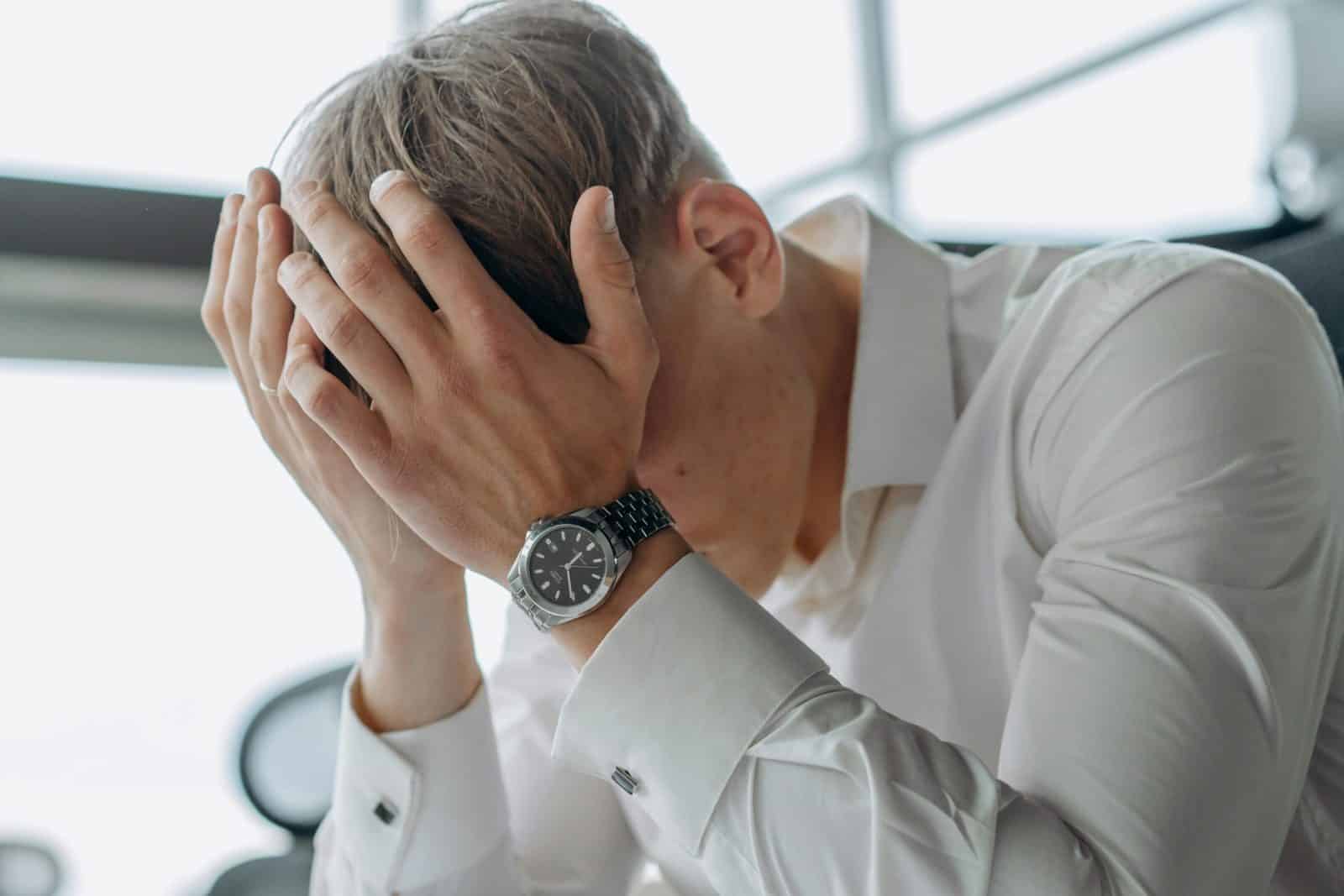
Stress is the body’s natural response to perceived threats or challenges. When you encounter a stressful situation, your nervous system activates the “fight or flight” response, releasing hormones such as cortisol and adrenaline.
According to the American Psychological Association, stress is a normal psychological and physical reaction to life’s demands. The problem begins when stress becomes chronic rather than temporary.
Types of Stress
- Acute Stress – Short-term stress triggered by immediate challenges.
- Episodic Acute Stress – Frequent acute stress episodes.
- Chronic Stress – Long-term stress that persists for weeks, months, or years.
Chronic stress is the most harmful type and often leads to anxiety disorders, depression, and physical health problems.
External resource:
Learn more about stress basics from the American Institute of Stress:
https://www.stress.org/what-is-stress
Stress vs Anxiety: Understanding the Difference
Though often used interchangeably, stress and anxiety are not identical.
- Stress is typically linked to an external cause.
- Anxiety may persist even when the stressor is gone.
The National Institute of Mental Health explains that anxiety disorders involve excessive fear or worry lasting beyond temporary stress.
External resource:
https://www.nimh.nih.gov/health/topics/anxiety-disorders
How Stress Turns Into Anxiety
When stress remains unresolved, your brain stays in alert mode. Over time, this constant state of hypervigilance can evolve into generalized anxiety, panic attacks, or social anxiety.
Symptoms may include:
- Racing thoughts
- Rapid heartbeat
- Insomnia
- Digestive issues
- Irritability
Unchecked anxiety can interfere significantly with daily life and relationships.
The Physical Impact of Stress on Life
Stress does not only affect your thoughts — it impacts every major system in your body.
1. Cardiovascular System
Chronic stress raises blood pressure and increases heart disease risk. Research published by the World Health Organization shows long-term stress contributes to non-communicable diseases.
External resource:
https://www.who.int/news-room/fact-sheets/detail/stress
2. Immune System
High cortisol levels suppress immune response, making you more vulnerable to infections.
3. Digestive System
Stress can cause:
- Irritable bowel syndrome (IBS)
- Acid reflux
- Appetite changes
4. Sleep Disruption
Sleep is often the first casualty of stress. Poor sleep increases anxiety, creating a vicious cycle.
The Psychological Impact of Stress
Beyond physical health, stress affects mental clarity, mood, and emotional regulation.
Emotional Effects
- Mood swings
- Anger
- Feelings of helplessness
- Reduced motivation
Cognitive Effects
- Difficulty concentrating
- Memory issues
- Indecision
The Mayo Clinic explains that chronic stress can alter brain structure, particularly in areas related to emotional regulation.
External resource:
https://www.mayoclinic.org/healthy-lifestyle/stress-management
Stress in Different Areas of Life
Work Life
Workplace stress is a major contributor to burnout. Long hours, job insecurity, and unrealistic expectations can lead to emotional exhaustion.
Family Life
Financial stress and caregiving responsibilities create tension in households.
Social Life
Chronic stress often leads to withdrawal from social activities, which increases isolation and anxiety.
Signs That Stress Is Taking Over Your Life
You may not notice stress immediately. Watch for these warning signs:
- Constant fatigue
- Loss of interest in hobbies
- Frequent headaches
- Increased use of alcohol or caffeine
- Relationship conflicts
Early awareness is key to prevention.
The Long-Term Consequences of Unmanaged Stress
If left untreated, chronic stress may contribute to:
- Depression
- Anxiety disorders
- Cardiovascular disease
- Diabetes
- Autoimmune conditions
According to the Centers for Disease Control and Prevention, stress-related behaviors like smoking and overeating also increase health risks.
External resource:
https://www.cdc.gov/mentalhealth/stress-coping
Practical Strategies to Reduce Stress
Managing stress requires a combination of physical, emotional, and lifestyle adjustments.
1. Regular Physical Activity
Exercise reduces cortisol and increases endorphins. Even 30 minutes of walking daily can significantly improve mood.
2. Mindfulness and Meditation
Practices like mindfulness meditation help calm the nervous system and reduce anxiety.
3. Time Management
Prioritize tasks and set realistic goals to reduce overwhelm.
4. Social Support
Strong social connections buffer against stress effects.
5. Professional Help
If anxiety interferes with daily life, therapy or counseling can help.
Building Resilience Against Stress
Resilience is the ability to adapt to challenges without long-term damage.
Ways to build resilience:
- Develop problem-solving skills
- Maintain healthy routines
- Practice gratitude
- Learn emotional regulation techniques
Resilient individuals experience stress but recover faster.
Lifestyle Habits That Protect Your Life
Nutrition
Balanced meals stabilize blood sugar and mood.
Sleep Hygiene
- Go to bed at the same time
- Avoid screens before bed
- Limit caffeine
Digital Detox
Constant news and social media increase stress levels.
Stress in the Modern World
Technology, global crises, and economic instability have intensified stress in recent decades. Remote work blurs boundaries between professional and personal life.
The key is not eliminating stress entirely — that’s impossible. The goal is managing stress effectively.
When to Seek Medical Attention
Consult a healthcare provider if you experience:
- Chest pain
- Severe panic attacks
- Persistent depression
- Suicidal thoughts
Professional guidance can prevent long-term complications.
Internal Resources for Improving Your Life
Explore these helpful guides:
- Stress management techniques: https://example.com/stress-management-guide
- Work-life balance strategies: https://example.com/work-life-balance
- Healthy sleep routines: https://example.com/healthy-sleep
- Anxiety coping tools: https://example.com/anxiety-coping-tools
Final Thoughts: Taking Back Control of Your Life
Stress is unavoidable — but suffering is not. By recognizing early warning signs, building healthy habits, and seeking support when needed, you can reduce anxiety and protect your overall life quality.
The impact of stress on our live is profound, influencing physical health, emotional stability, and long-term happiness. Awareness is the first step. Action is the second.
Start today. Your life deserves balance, calm, and resilience.
Comments are closed