
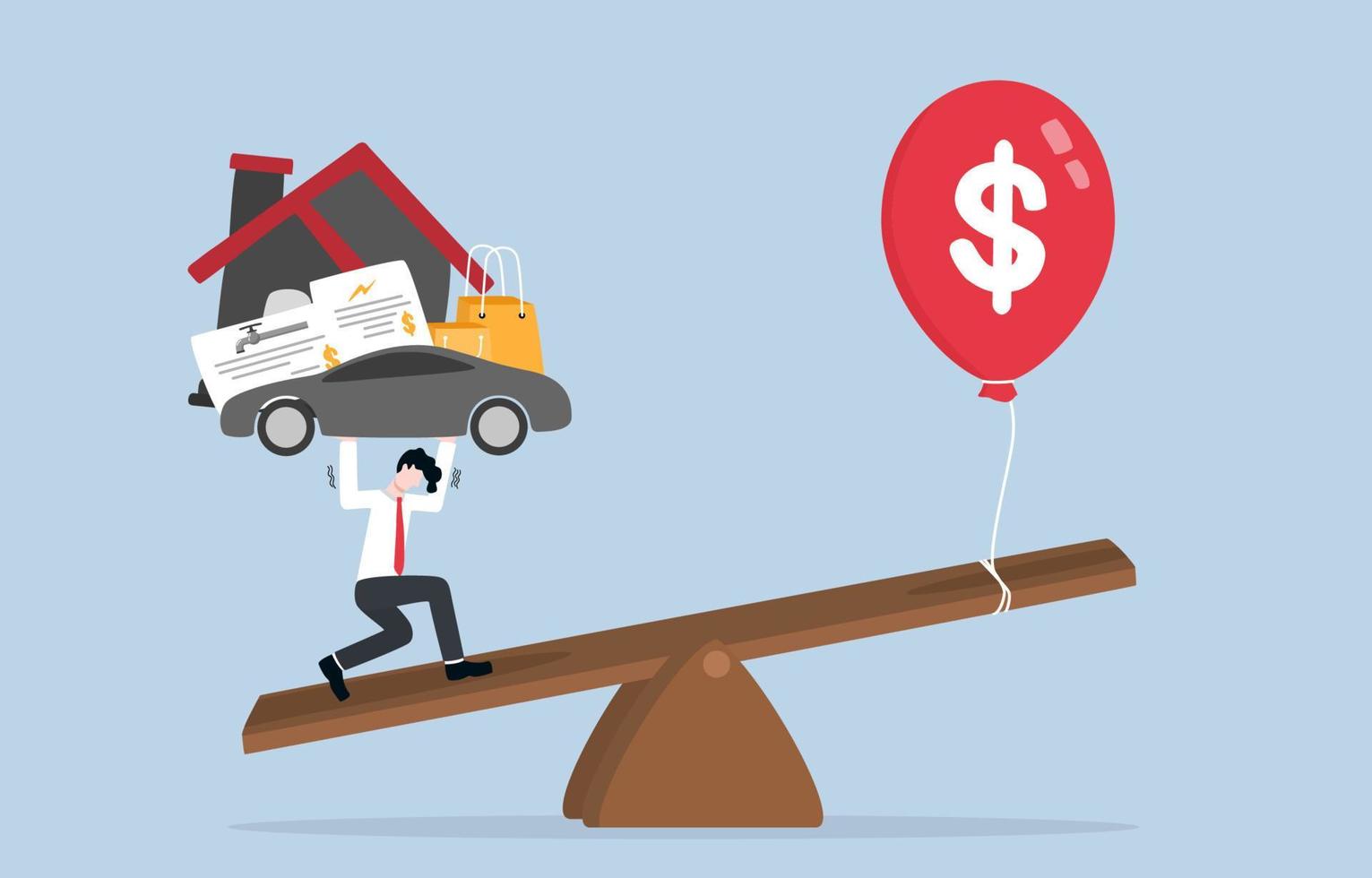
The never-ending high cost of living has become one of the most talked-about economic issues in modern society. From groceries and rent to transportation and energy bills, people everywhere are feeling the financial pressure. Whether you live in a big city or a rural area, the combination of inflation, rising cost of food, and increasing gas prices continues to reshape how households manage their budgets.
For many families, the cost of basic necessities has climbed faster than wages. This means people are forced to make difficult decisions about spending, saving, and long-term financial planning. In this article, we will explore why the high cost of living keeps increasing, how it affects everyday life, and what individuals can do to adapt to these economic challenges.
Understanding the High Cost of Living
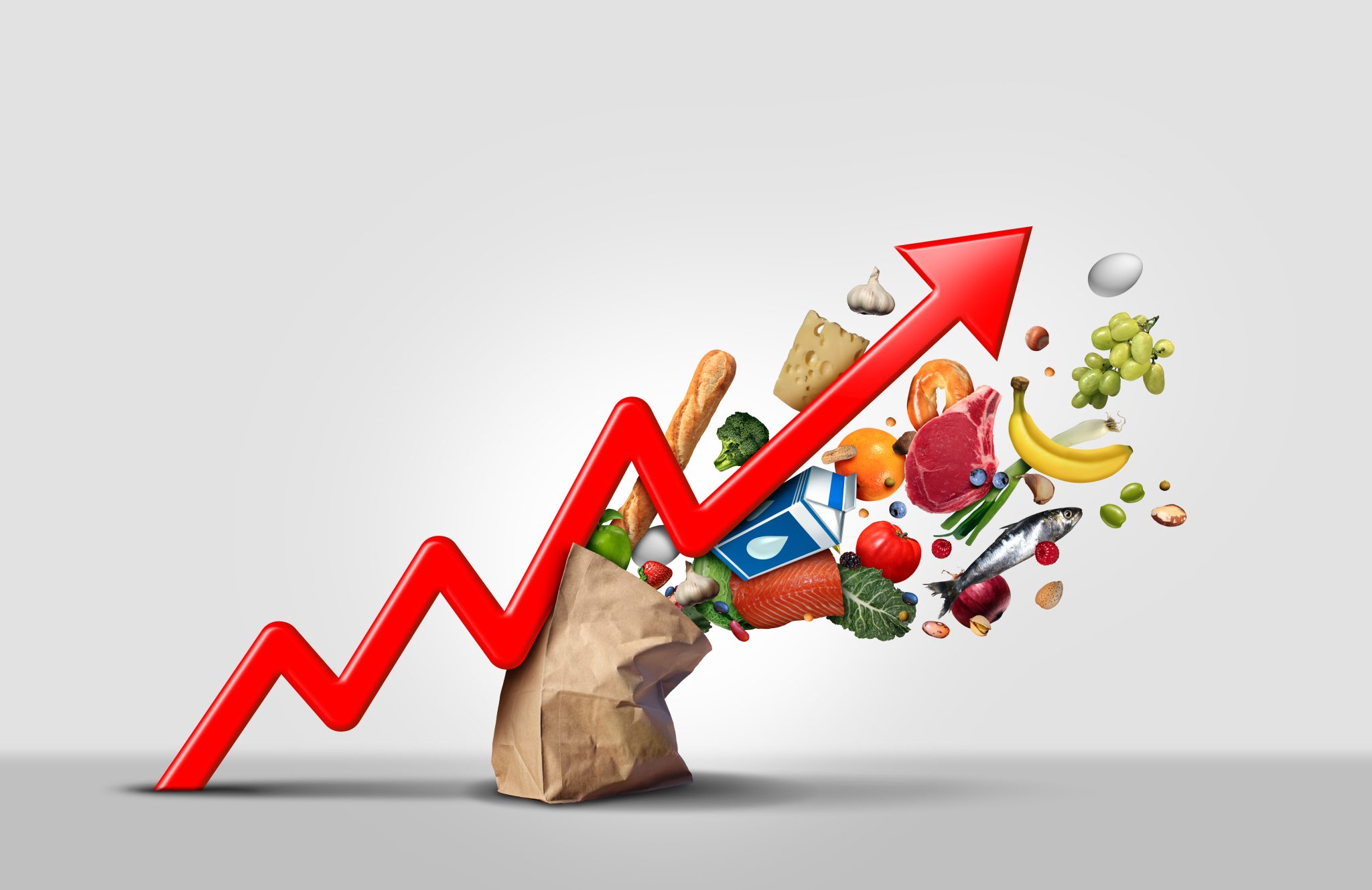
The cost of living refers to the amount of money required to maintain a certain standard of living. This includes expenses such as:
- Ho
- Food
- Transportation
- Healthcare
- Utilities
- Taxes
- Education
- Entertainment
When these expenses increase significantly, people feel the pressure in their monthly budgets.
One of the biggest drivers behind rising living expenses is inflation, which measures how quickly the price of goods and services increases over time. According to data from the Bank of Canada, inflation can fluctuate based on supply chain issues, global markets, and economic policy decisions.
You can learn more about how inflation is measured here:
https://www.bankofcanada.ca/core-functions/monetary-policy/inflation/
What Is Inflation and Why Does It Matter?
Inflation occurs when the overall price level of goods and services rises. When inflation increases, the purchasing power of money decreases. In simple terms, the same amount of money buys fewer things than before.
For example:
- A grocery basket that cost $100 a few years ago may now cost $130 or more.
- Filling your car with fuel could cost significantly more than it did five years ago.
- Rent and ho costs may increase faster than wages.
Inflation can happen for several reasons, including:
- Increased demand for goods
- Higher production costs
- Supply shortages
- Economic stimulus policies
- Global market instability
Organizations like the International Monetary Fund analyze inflation trends worldwide to understand how global economics influence local prices.
More information can be found here:
https://www.imf.org/en/Topics/inflation
The Rising Cost of Food
One of the most noticeable impacts of the high cost of living is the cost of food. Groceries are something everyone must buy regularly, which makes rising prices especially difficult for families.
Why Food Prices Are Increasing
Several factors contribute to higher food prices:
1. Supply Chain Disruptions
Transportation delays, labor shortages, and international trade challenges can limit the availability of food products.
2. Climate and Agriculture Challenges
Droughts, floods, and unpredictable weather conditions affect crop production.
3. Energy Costs
Higher fuel prices increase transportation costs, which in turn raise food prices.
4. Global Conflicts and Trade Issues
International events can impact grain supplies, fertilizer availability, and shipping routes.
Research from the Food and Agriculture Organization shows that global food prices fluctuate due to agricultural production and supply issues.
More information:
https://www.fao.org/worldfoodsituation/foodpricesindex/en/
Gas Prices and Transportation Costs
Another major contributor to the high cost of living is the increase in gas prices.
Transportation plays a crucial role in the economy. Fuel is required for:
- Personal vehicles
- Delivery trucks
- Air travel
- Shipping
- Public transportation
When gas prices increase, almost everything becomes more expensive because products must be transported from factories to stores.
Energy prices are often influenced by global oil markets monitored by organizations like the International Energy Agency.
Learn more here:
https://www.iea.org/topics/oil-market-report
Ho Costs and Affordability
Although food and fuel costs are significant, ho remains the largest expense for many households.
Ho expenses include:
- Rent or mortgage
- Property taxes
- Insurance
- Maintenance
- Utilities
In many cities, ho costs have increased dramatically over the last decade. Limited supply, population growth, and rising construction costs contribute to the problem.
Many people are now exploring alternative ho options that may offer lower costs and faster construction.
For example, some individuals are considering modern modular homes and container homes as alternative ho solutions.
Internal resources discussing ho affordability include:
- https://containerhousescanada.ca/young-couples-first-home
- https://containerhousescanada.ca/container-houses-for-families
- https://containerhousescanada.ca/bank-loan-container-house
- https://containerhousescanada.ca/expandable-container-houses
These options are becoming increasingly popular among people seeking more affordable ho solutions.
How the High Cost of Living Affects Families
The never-ending high cost of living impacts families in several ways.
1. Reduced Disposable Income
When basic expenses increase, families have less money available for discretionary spending such as:
- Travel
- Entertainment
- Dining out
- Hobbies
This change can impact lifestyle choices and quality of life.
2. Increased Financial Stress
Financial pressure often leads to higher levels of stress. People worry about paying bills, saving for retirement, and managing unexpected expenses.
3. Delayed Life Decisions
Young adults may delay major life decisions such as:
- Buying a home
- Starting a family
- Changing careers
- Launching a business
The cost of living can significantly influence these long-term choices.
4. Increased Debt
When expenses exceed income, many households rely on credit cards or loans. Over time, debt can become a serious financial burden.
The Impact on Young Adults
Young adults entering the workforce face a particularly difficult challenge. While wages have increased in some industries, they often fail to keep up with rising costs.
Young professionals may struggle with:
- Student loans
- High rent prices
- Transportation costs
- Saving for a down payment
This financial pressure can make home ownership feel out of reach for many people.
Some individuals are now exploring smaller, more efficient ho solutions that offer lower entry costs compared to traditional homes.
The Impact on Retirees
Retirees also feel the impact of rising costs.
Many retirees rely on fixed incomes such as pensions or savings. When inflation rises, the purchasing power of those funds decreases.
This can make it more difficult to afford:
- Healthcare
- Utilities
- Food
- Ho maintenance
As a result, some retirees choose to downsize or relocate to more affordable living arrangements.
Budgeting in a High Cost of Living Environment
Managing finances during periods of high inflation requires careful budgeting.
Here are some strategies that may help.
Track Your Expenses
Understanding where money goes each month is the first step toward controlling spending.
Budget tracking apps or simple spreadsheets can help identify unnecessary expenses.
Reduce Non-Essential Spending
Cutting back on optional expenses such as streaming services, luxury items, or frequent dining out can help free up money for necessities.
Buy in Bulk
Purchasing non-perishable items in bulk may reduce the overall cost of groceries.
Plan Meals
Meal planning reduces food waste and helps control grocery spending.
Use Public Transportation
If available, public transportation may help reduce fuel expenses.
Why Wages Struggle to Keep Up
A major reason the high cost of living feels overwhelming is that wages often increase slower than inflation.
Several factors influence wage growth:
- Company profits
- Labor market competition
- Economic productivity
- Government policies
When inflation rises faster than wages, workers experience what economists call a real income decline.
In other words, even if salaries increase slightly, people may still feel poorer because everything costs more.
The Psychological Effects of Inflation
Beyond financial stress, the high cost of living can have psychological effects.
Common emotional responses include:
- Anxiety about the future
- Frustration over rising prices
- Fear of economic instability
- Reduced optimism about financial security
These emotions can influence consumer behavior. For example, people may delay purchases or become more cautious with spending.
How Businesses Are Impacted
Businesses also face challenges when inflation increases.
Companies must deal with:
- Higher material costs
- Increased shipping expenses
- Rising employee wages
- Energy price fluctuations
To remain profitable, businesses may increase product prices. Unfortunately, this often passes the cost directly to consumers.
Government Policies and Inflation
Governments and central banks use several tools to control inflation.
One of the most common tools is adjusting interest rates. Higher interest rates reduce borrowing and spending, which may slow inflation.
However, higher interest rates also make loans more expensive.
This affects:
- Mortgages
- Car loans
- Business financing
- Credit cards
Balancing inflation control and economic growth is one of the biggest challenges policymakers face.
Long-Term Economic Trends
Economists believe several long-term trends may continue influencing the high cost of living:
- Aging populations
- Urban population growth
- Climate change
- Global supply chain restructuring
- Energy transitions
These factors suggest that price fluctuations may continue for years.
Adapting to the New Economic Reality
Although rising costs present challenges, individuals can still take steps to improve their financial stability.
Some strategies include:
- Increasing financial literacy
- Developing multiple income streams
- Investing wisely
- Reducing long-term debt
- Exploring alternative ho solutions
Flexibility and planning are key to navigating uncertain economic conditions.
Building Financial Resilience
Financial resilience means preparing for unexpected economic changes.
A few key strategies include:
Emergency Savings
Financial experts recommend saving three to six months of living expenses in an emergency fund.
Diversified Income
Side businesses, freelancing, or investments can provide additional financial security.
Smart Investments
Investments that historically keep pace with inflation may help preserve purchasing power over time.
The Future of the Cost of Living
Predicting the future of inflation and living costs is difficult. Economic conditions change constantly due to global events, technological advances, and government policies.
However, economists generally agree that the cost of living will continue evolving as markets adapt to new challenges.
Innovation in ho, energy, transportation, and food production may help offset some rising costs over time.
Final Thoughts
The never-ending high cost of living is one of the defining economic challenges of our time. With inflation, rising cost of food, and increasing gas prices, households everywhere are adjusting their financial strategies.
While governments and global organizations continue working to stabilize economies, individuals must also adapt by managing budgets carefully, exploring affordable ho options, and planning for the future.
Understanding the forces behind inflation and rising living costs is the first step toward making smarter financial decisions.
By staying informed and proactive, individuals and families can better navigate the changing economic landscape and maintain financial stability despite the ongoing pressures of modern living.
Comments are closed