
Container houses are no longer a fringe idea. Across Canada and beyond, homeowners, investors, and entrepreneurs are turning shipping containers into modern residences, offices, and vacation rentals. These structures promise affordability, sustainability, and speed of construction. But behind the appealing aesthetics and cost savings lies a crucial factor that determines whether your project succeeds or fails: who builds it.
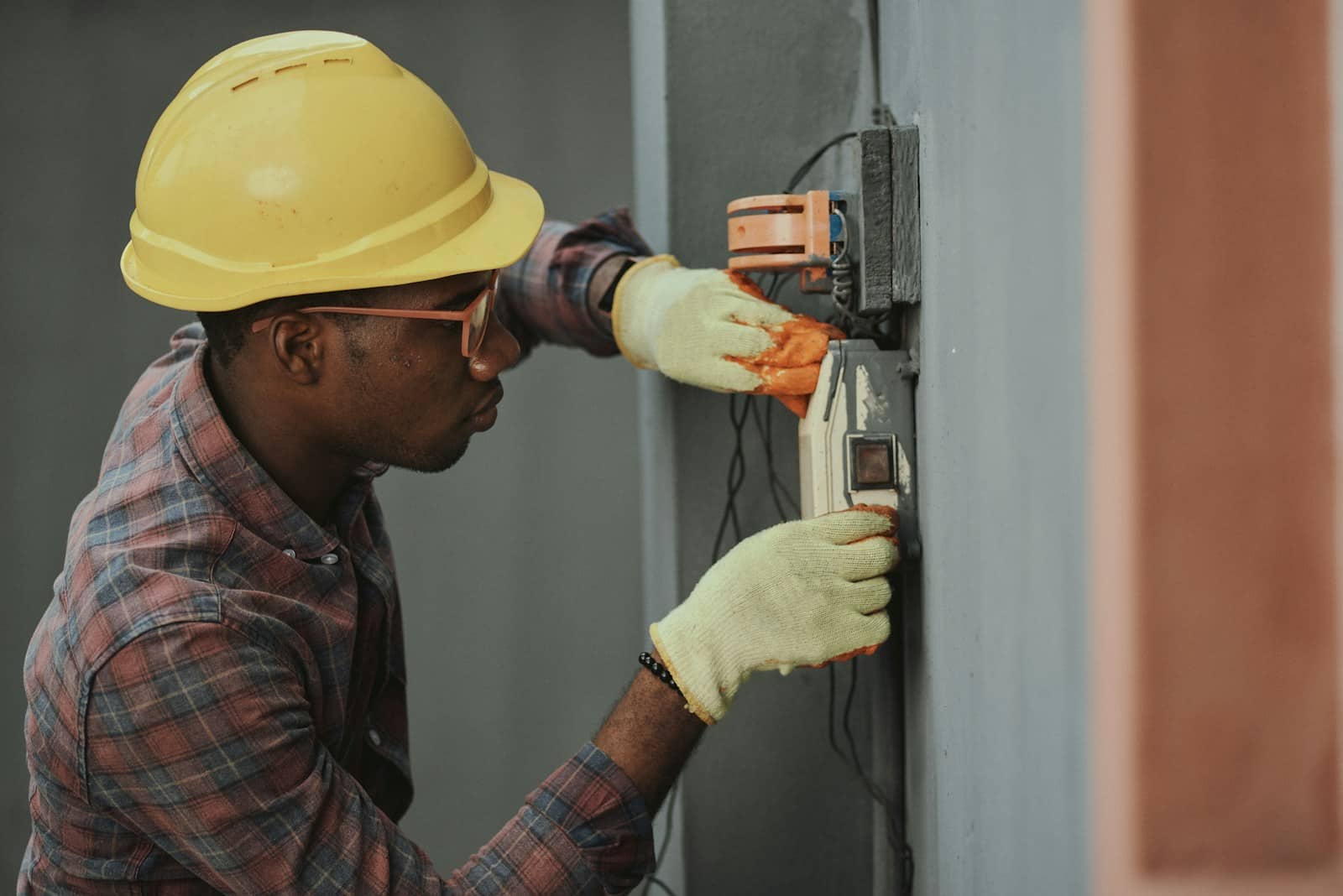
Hiring certified electricians, plumbers, and licensed construction professionals isn’t just a recommendation — it’s the foundation of a safe, legal, and durable container house. In this comprehensive guide, we explore why certified workers matter, how they protect your investment, and why cutting corners on qualifications can cost far more than you expect.
The unique challenges of container house construction

Unlike traditional homes, container houses present structural, electrical, and plumbing challenges that require specialized knowledge.
Steel containers conduct heat differently than wood-frame structures. Cutting openings weakens structural integrity. Insulation requires moisture and condensation control. Electrical grounding must be carefully planned because steel acts as a conductor. Plumbing installation must account for limited space, thermal expansion, and freezing risks in colder climates like Canada.
These complexities mean container projects demand skilled professionals who understand both building codes and alternative construction methods.
Certified tradespeople bring the training and legal authorization needed to handle these challenges properly. Without them, you risk safety hazards, legal complications, and expensive repairs.
What “certified workers” actually means
The term certified refers to professionals who have completed formal training, passed competency exams, and are licensed to perform specific work under provincial regulations.
For container home projects, the most critical certified trades include:
- Certified electricians
- Certified plumbers
- Licensed structural welders
- HVAC specialists
- Certified building contractors
In Canada, many trades fall under recognized certification systems such as the Red Seal Program, which ensures workers meet national standards. Electrical installations often follow standards set by the CSA Group, while construction compliance in Quebec is regulated by the Régie du bâtiment du Québec.
These organizations exist to protect public safety — and your project.
Safety comes first: preventing electrical hazards
Electrical work is one of the most dangerous aspects of container house construction.
Because containers are made of steel, improper wiring or grounding can turn the entire structure into a live conductor. This increases the risk of:
- Electric shock
- Fire hazards
- Short circuits
- Equipment damage
- Insurance refusal
Certified electricians understand grounding techniques, insulation ratings, breaker sizing, and moisture protection — all critical when working inside a metal shell.
They also know how to integrate solar panels, battery storage, and smart home systems safely — features many container homeowners want.
Hiring a non-certified electrician might save money initially, but faulty wiring can lead to catastrophic losses. Insurance companies often refuse claims if unlicensed electrical work caused the damage.
Plumbing expertise prevents long-term disasters
Container homes have tight spaces and limited wall cavities. Plumbing must be carefully planned to avoid freezing, corrosion, and leaks.
Certified plumbers ensure:
- Proper pipe sizing and slope
- Freeze protection in cold climates
- Correct venting and drainage
- Safe water heater installation
- Compliance with municipal codes
Improper plumbing can cause mold growth, water damage, and structural corrosion inside the container walls — problems that are extremely expensive to fix later.
A certified plumber ensures the system works efficiently and remains compliant with inspections.
Legal compliance protects your investment
Most municipalities require permits and inspections before approving a container house for occupancy.
Permits often require proof that electrical, plumbing, and structural work were completed by licensed professionals. Without certified trades:
- You may fail inspections
- You may be denied occupancy permits
- You may face fines or demolition orders
- Your property resale value may drop
Certified workers provide documentation, inspection reports, and compliance certificates needed to legalize your build.
Without these documents, selling your container house later becomes much harder.
Insurance companies demand certified work
Home insurance providers assess risk carefully. Container houses already fall outside traditional construction categories, which means insurers scrutinize them closely.
If your project includes unlicensed electrical or plumbing work, insurers may:
- Refuse coverage
- Increase premiums
- Deny claims after damage
- Require costly inspections
Hiring certified tradespeople reassures insurers that your home meets safety standards. This can significantly reduce premiums and improve claim approval rates.
Certified workers improve structural integrity
Containers are designed to carry loads at their corners, not across their walls. Cutting openings for doors and windows weakens structural strength.
Certified welders and structural professionals know how to:
- Reinforce cut sections properly
- Install steel framing supports
- Prevent roof collapse under snow loads
- Maintain container integrity during stacking
Amateur modifications may look fine initially but can lead to long-term deformation or collapse.
Higher resale value and buyer confidence
When you eventually sell your container house, buyers will want proof the structure meets building standards.
Documentation from certified workers shows:
- Electrical systems are safe
- Plumbing is compliant
- Structure meets code
- Permits were approved
Homes built by certified professionals typically sell faster and at higher prices because buyers trust the construction quality.
Energy efficiency and sustainability benefits
Certified electricians and HVAC specialists design systems that maximize efficiency.
They can install:
- Energy-efficient heat pumps
- Proper insulation systems
- Smart electrical load management
- Solar panel integration
This reduces long-term energy costs and environmental impact.
An uncertified installer may wire inefficient systems that increase utility bills and strain equipment.
Certified trades reduce long-term costs
Hiring qualified professionals may seem expensive upfront, but it reduces costs over the lifespan of your home.
Certified work prevents:
- Costly repairs
- Structural failures
- Mold remediation
- Insurance disputes
- Permit delays
A container home built correctly once is far cheaper than fixing mistakes later.
The importance of documentation
Certified workers provide:
- Inspection reports
- Permit paperwork
- Compliance certificates
- Warranty documentation
These records are essential for insurance, resale, refinancing, and legal protection.
Without them, proving your home meets standards becomes difficult.
How to verify worker certification
Before hiring any contractor or trade, always:
- Ask for license numbers
- Verify certification with provincial authorities
- Request proof of insurance
- Check references and past container projects
- Confirm permit handling responsibilities
Taking these steps protects you from fraud and poor workmanship.
Internal resources for your project
For further guidance on container homes, explore:
- https://containerhousescanada.ca/container-home-design-guide
- https://containerhousescanada.ca/cost-of-container-homes
- https://containerhousescanada.ca/container-house-permits-canada
- https://containerhousescanada.ca/container-home-insulation-options
These internal guides provide deeper insights into planning, budgeting, and compliance.
External resources for certification standards
You can learn more about building and trade certification through these resources:
- https://www.red-seal.ca
- https://www.csagroup.org
- https://www.rbq.gouv.qc.ca
- https://www.canada.ca/en/employment-social-development/programs/apprentices.html
These sources outline safety requirements, licensing systems, and construction regulations.
The bottom line
Container homes offer exciting possibilities, but they are not DIY experiments when it comes to critical systems. Hiring certified electricians, plumbers, and licensed professionals ensures your project meets safety codes, passes inspections, and retains long-term value.
Cutting corners on certification can lead to legal problems, insurance disputes, and structural risks. Investing in certified workers protects your finances, your safety, and your future resale opportunities.
If you’re planning a container house, make certification your first requirement — not an afterthought. It’s the difference between a risky build and a reliable home.
Comments are closed