
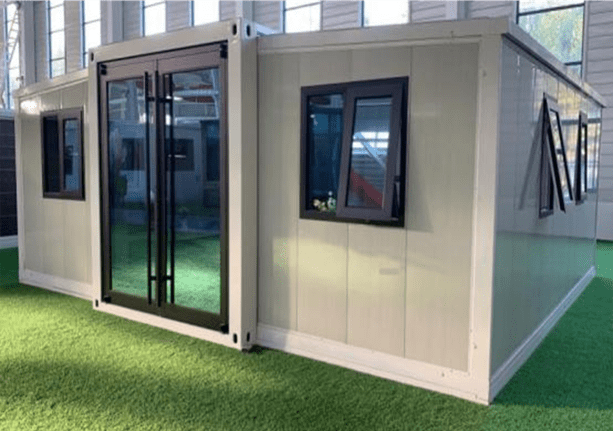
Buying your very first container house is an exciting milestone. For many people, it can be a major housing and financial decision that deserves the same budgeting, financing and due-diligence process as any other home purchase. Whether you are exploring alternatives to traditional housing or comparing different first-home options, container houses are becoming a serious contender in the real estate market.
With rising housing prices across Canada and the United States, first-time buyers are increasingly looking for creative solutions. Shipping container homes offer affordability, durability, and flexibility—three key elements for anyone entering the housing market for the first time.
In this comprehensive guide, we will cover everything you need to know about your very first container house: planning your purchase, securing loans, working with a bank, understanding zoning, and making your first home purchase is financially sound.
Why Container Houses Are Growing in Popularity
The term “container home” can refer to converted shipping containers or purpose-built modular/container-style structures. Confirm the construction system of the selected model. Structural performance and durability depend on the selected model, engineering, foundation, connections, climate exposure, installation and maintenance.
The trend has been fueled by media exposure, including shows like Container Homes, which introduced viewers to modern, stylish designs made from recycled containers. What was once considered experimental housing is now a legitimate segment of the housing market.
First-time buyers are particularly drawn to container homes because:
- Their total project cost may differ from conventional construction.
- Factory production may reduce some on-site construction work.
- They are customizable.
- They can be energy-efficient.
- Environmental performance depends on the actual product and project.
For first-time buyers, the important comparison is the complete amount required to acquire the home, prepare the site and reach legal occupancy.
Is a Container House the Right First-Home Purchase?
When considering your very first container house, consider both its suitability as a home and the financial obligations of the complete project.
Property values can rise or fall, and future resale value is not guaranteed. According to resources like Investopedia, property ownership remains a foundational wealth-building strategy for many individuals.
A container house can become:
- Your primary residence
- A rental property
- A vacation rental
- A future resale opportunity
Resale value depends on location, land, approvals, market conditions, condition, financing availability and buyer demand.
Understanding Your Budget: The First Step
Before approaching a bank or applying for loans, you need clarity on your finances.
1. Down Payment
Most lenders require a down payment. In Canada, the minimum depends on purchase price. Check guidelines from the Canada Mortgage and Housing Corporation for updated rules on insured mortgages.
2. Total Project Cost
For a container house, total costs may include:
- Land purchase
- Foundation work
- Utility connections
- Permits
- Interior finishing
- Delivery and installation
Do not rely on a generic price range. Use the current model quotation and add land, site preparation, foundation, permits, utilities, transport, unloading, installation, inspections, taxes, financing and local work.
3. Emergency Fund
Keep an emergency reserve appropriate to your own financial situation and discuss affordability with your lender or financial professional.
Can You Get a Bank Loan for a Container House?
One of the most common concerns about your first home in a container format is financing.
Traditional banks sometimes treat container houses differently than conventional homes. However, this is changing.
Mortgage Options
Many banks will approve financing if:
- The container house is permanently affixed to land.
- It meets local building codes.
- It has proper utilities.
- It has comparable market value.
Major Canadian banks such as Royal Bank of Canada provide mortgage products that may apply if the property qualifies as real estate.
You may also explore:
- Construction loans
- Personal loans
- Home equity loans (if upgrading later)
It is essential to speak directly with a mortgage advisor early in your planning process.
Construction Loans vs. Traditional Mortgages
Your very first container house might require a construction loan if it is not pre-built.
Construction Loan
- Funds released in stages
- Higher interest during build
- Converts to mortgage after completion
Traditional Mortgage
- Used if buying a completed container house
- Lower interest rates
- Standard qualification process
Websites like Bankrate explain how construction loans differ from standard mortgages.
Choosing the Right Land for Your First Home
Location affects both your lifestyle and your investment value.
Before buying land:
- Verify zoning laws
- Confirm container houses are allowed
- Check minimum dwelling size requirements
- Ensure access to utilities
Municipal planning offices can provide guidance on zoning regulations. Rural areas often have fewer restrictions, making them ideal for first-time container house buyers.
Zoning and Permits: Do Not Skip This Step
Your first home purchase should be secure and compliant.
Each municipality has different rules. Some require:
- Engineering certifications
- Structural modifications
- Insulation standards
- Fire safety compliance
You can research building code basics through the National Research Council Canada, which oversees national building standards.
Skipping permits can result in fines and may prevent you from securing bank financing.
Designing Your Very First Container House
Your first home should reflect both practicality and personality.
Popular Layouts
- Single 20-foot container (studio)
- Single 40-foot container (1-bedroom)
- Double container configuration (2-bedroom)
- Multi-container modern homes
First-time buyers often start small and expand later, but future expansion should be confirmed in the design, foundation, services and approvals before purchase.
Costs Breakdown Example
A useful budget should separate the factory-built home from all site and third-party costs.
- Selected model and factory options
- Insulation & framing: $15,000
- Plumbing & electrical: $20,000
- Interior finishing: $25,000
- Foundation: $10,000
- Permits & fees: $5,000
- Land: varies
Total estimated project: $120,000–$180,000
Compared to traditional housing in cities like Montreal or Toronto, this may represent a significantly lower first home investment.
Energy Efficiency and Long-Term Savings
Your very first container house can be designed for efficiency.
Consider:
- Spray foam insulation
- Triple-pane windows
- Solar panels
- Heat pumps
Lower monthly utility bills mean more money available to repay loans or build savings.
Insurance Considerations
Insurance providers may request:
- Structural certification
- Proof of foundation permanence
- Electrical and plumbing inspection
Work with insurers early to ensure your investment is protected.
Resale Value: Thinking Long-Term
Even if this is your first home, think ahead.
A well-built container house on titled land can appreciate over time. Value depends on:
- Location
- Quality of finishes
- Market demand
- Comparable sales
The more your property resembles traditional housing standards, the easier it may be to resell.
Rental Income Potential
Some first-time buyers convert container homes into rental properties.
You may:
- Live in it initially
- Rent it later
- Use it as short-term accommodation
This transforms your first home into a long-term income-generating investment.
Internal Resources for Further Reading
To continue exploring container housing, you may find these helpful:
- /new-container-houses-investment-guide
- /certified-workers-container-house
- /concrete-slab-vs-foundations
- /transport-from-asia-to-canada
These guides provide deeper insight into construction standards, foundation options, and transportation logistics.
Common Mistakes First-Time Buyers Make
When purchasing your very first container house, avoid:
- Underestimating total costs
- Ignoring zoning regulations
- Skipping professional inspections
- Choosing the cheapest contractor
- Not comparing bank loan options
Proper planning reduces financial stress and protects your investment.
Emotional and Lifestyle Benefits
Beyond finances, your first home is deeply personal.
Container houses offer:
- Modern minimalist design
- Quick move-in timelines
- Customization flexibility
- Sustainable appeal
For many buyers, owning their first home—no matter the format—represents independence and freedom.
Comparing Container Houses to Traditional Houses
| Feature | Container House | Traditional House |
|---|---|---|
| Initial Cost | Lower | Higher |
| Build Time | Faster | Slower |
| Customization | High | High |
| Bank Familiarity | Moderate | High |
| Resale Market | Growing | Established |
Both can be excellent investments, but container homes often allow entry into the housing market sooner.
Should You Buy or Build?
If you’re purchasing your very first container house, decide whether to:
- Buy turnkey from a builder
- Hire a contractor
- Self-manage construction
A clearly documented supplier scope can help a lender understand the project, but financing approval remains the lender’s decision and site/local costs may remain outside the supplier quotation.
Final Thoughts: Is This the Right First Home for You?
Your very first container house can be:
- A smart investment
- A manageable financial commitment
- A flexible living solution
- A stepping stone toward larger real estate goals
With proper planning, bank financing, and realistic budgeting, a container-style home may be one option to compare with other forms of property ownership.
As housing affordability continues to challenge traditional buyers, innovative solutions like container homes are gaining credibility. If you approach the process strategically—understanding loans, working with your bank, researching zoning, and planning long-term—you may find that your first home does not have to follow conventional rules.
It simply has to work for you.