
First Time Homeowners? A Complete Guide to Credit, Loans, Interest, Cash, and Down Payments
First Time Homeowners? A Complete Guide to Credit, Loans, Interest, Cash, and Down Payments

Buying your first home is one of the most exciting milestones in life. For many people, it represents independence, stability, and a long-term investment in the future. However, becoming a homeowner for the first time also comes with many financial questions. How much credit do you need? What type of loan should you apply for? How do interest rates affect your payments? How much cash is needed for a down payment?
If you are a first time homeowner, understanding the financial side of home buying is essential. Credit scores, mortgage loans, interest rates, available cash, and down payments all play a major role in determining whether you qualify for a mortgage and how affordable your home will be over time.
This in-depth guide will walk you through everything you need to know about becoming a homeowner for the first time. From preparing your credit to securing loans and managing interest rates, you will learn practical strategies that can make your dream of homeownership a reality.
Understanding the Journey of First Time Homeowners
For first time homeowners, the path to buying property often begins with planning. Many people assume they must save for decades before purchasing a home, but that is not always the case. With the right preparation, financing options, and budgeting strategies, homeownership may be closer than you think.
First time buyers often face several common challenges:
- Limited credit history
- Difficulty saving enough cash
- Understanding mortgage loan options
- Managing interest rate fluctuations
- Determining the right down payment
These obstacles can seem overwhelming at first, but proper financial preparation can significantly improve your chances of success.
Government ho programs and financial institutions often provide guidance for first time homeowners. For example, the Canada Mortgage and Ho Corporation (CMHC) offers detailed resources explaining mortgage requirements and affordability guidelines:
https://www.cmhc-schl.gc.ca
These resources help first time buyers better understand how mortgages work and what lenders look for when approving loans.
Why Credit Is Critical for First Time Homeowners
Your credit score is one of the most important factors when applying for a mortgage. Lenders use your credit history to determine whether you are financially responsible and capable of repaying a loan.
What Is a Credit Score?
A credit score is a numerical rating that reflects your financial reliability. In Canada, credit scores typically range from 300 to 900. The higher your score, the more trustworthy you appear to lenders.
Generally speaking:
- 750+ = Excellent credit
- 700–749 = Very good credit
- 650–699 = Good credit
- 600–649 = Fair credit
- Below 600 = Poor credit
Lenders prefer borrowers with higher credit scores because they represent less risk.
You can learn more about credit scoring and reports through Equifax Canada:
https://www.consumer.equifax.ca
How Credit Affects Your Mortgage
Credit affects several important aspects of your mortgage:
- Loan approval
- Interest rates
- Maximum loan amount
- Down payment requirements
For example, someone with excellent credit may qualify for a lower interest rate, which can save thousands of dollars over the life of the loan.
Improving Your Credit Before Buying a Home
If your credit score needs improvement, consider these strategies:
- Pay bills on time
- Reduce credit card balances
- Avoid opening unnecessary credit accounts
- Check your credit report for errors
- Maintain a low debt-to-income ratio
Improving your credit score even slightly can significantly increase your chances of mortgage approval.
Mortgage Loans for First Time Homeowners
Loans are the foundation of most home purchases. Few buyers can pay for a home entirely with cash, so mortgages allow homeowners to spread the cost over many years.
What Is a Mortgage Loan?
A mortgage loan is a long-term loan used to purchase property. The lender provides the money needed to buy the home, and the borrower repays the loan over time with interest.
Mortgage terms often range from 15 to 30 years.
The loan typically includes:
- Principal (the borrowed amount)
- Interest (the lender’s profit)
- Property taxes
- Insurance
Financial institutions provide mortgage options tailored to first time homeowners.
For example, the Royal Bank of Canada (RBC) offers mortgage information and calculators to help buyers estimate payments:
https://www.rbcroyalbank.com/mortgages
Types of Mortgage Loans
First time homeowners may encounter several types of loans:
Fixed-rate mortgages
The interest rate remains the same for the entire term of the loan.
Variable-rate mortgages
Interest rates fluctuate based on market conditions.
Open mortgages
Borrowers can repay the loan early without penalties.
Closed mortgages
Lower interest rates but restrictions on early repayment.
Each loan type has advantages depending on financial goals and market conditions.
Interest Rates and How They Affect Homeowners
Interest rates play a massive role in determining how much a home ultimately costs.
Even a small difference in interest rates can dramatically change your monthly payment.
Example of Interest Rate Impact
Imagine two buyers purchasing the same home:
Home price: $400,000
Loan: $320,000
Term: 25 years
Buyer A interest rate: 3%
Buyer B interest rate: 5%
Buyer B may pay tens of thousands more over the life of the mortgage simply due to higher interest.
How Interest Rates Are Determined
Mortgage interest rates depend on several factors:
- Central bank policy
- Inflation
- Economic growth
- Lender risk
- Borrower credit score
Interest rate trends can change quickly depending on economic conditions.
For deeper insight into mortgage rates and market trends, resources like Ratehub Canada provide updated information:
https://www.ratehub.ca/mortgage-rates
Saving Cash for Your Down Payment
One of the biggest hurdles for first time homeowners is saving enough cash for a down payment.
A down payment is the upfront portion of the home price paid before the mortgage begins.
Minimum Down Payment in Canada
Minimum down payment requirements usually follow these guidelines:
- 5% for homes under $500,000
- 10% for portions above $500,000
- 20% to avoid mortgage insurance
A larger down payment provides several advantages:
- Lower monthly payments
- Reduced interest costs
- Increased chances of mortgage approval
Creative Ways to Save for a Down Payment
Saving cash may seem difficult, but there are many effective strategies:
Automated savings plans
Automatically transfer money into a savings account each month.
Tax-free savings accounts (TFSA)
Earn interest on savings without paying taxes.
Government programs
Canada offers programs like the First-Time Home Buyer Incentive.
Reduce unnecessary expenses
Cutting subscriptions and dining out can accelerate savings.
Discipline and consistent saving habits are key to building a down payment fund.
First Time Home Buyer Programs in Canada
Canada offers several programs designed specifically for first time homeowners.
These programs can reduce the financial burden of purchasing a home.
First-Time Home Buyer Incentive
This government initiative helps reduce monthly mortgage payments by sharing equity in the home purchase.
Learn more here:
https://www.placetocallhome.ca/fthbi/first-time-homebuyer-incentive
Home Buyers’ Plan (HBP)
The Home Buyers’ Plan allows buyers to withdraw funds from their RRSP to purchase a home.
Key features include:
- Up to $35,000 withdrawal
- Tax-free if repaid over time
- Helps boost down payment savings
These programs can significantly reduce upfront costs.
Budgeting for First Time Homeowners
Many new homeowners underestimate the total cost of owning a home.
Beyond the mortgage payment, additional expenses include:
- Property taxes
- Home insurance
- Maintenance
- Utilities
- Repairs
- Landscaping
- HOA fees (if applicable)
Creating a realistic budget ensures you can comfortably manage these costs.
Financial planners often recommend that ho costs remain below 30–35% of your income.
Internal Resources for Future Homeowners
If you are exploring alternative ho solutions or affordable home ownership strategies, these internal resources may help:
Learn about financing options:
https://containerhousescanada.ca/bank-loans-for-container-homes
Discover ho options for families:
https://containerhousescanada.ca/best-container-house-for-large-families
Understand expandable ho solutions:
https://containerhousescanada.ca/expandable-container-houses
Explore modern ho designs:
https://containerhousescanada.ca/apple-cabins
These articles provide valuable insight into modern ho solutions that may be more affordable than traditional homes.
Why Alternative Ho Is Attracting First Time Homeowners
The rising cost of real estate has pushed many buyers to consider alternative ho solutions.
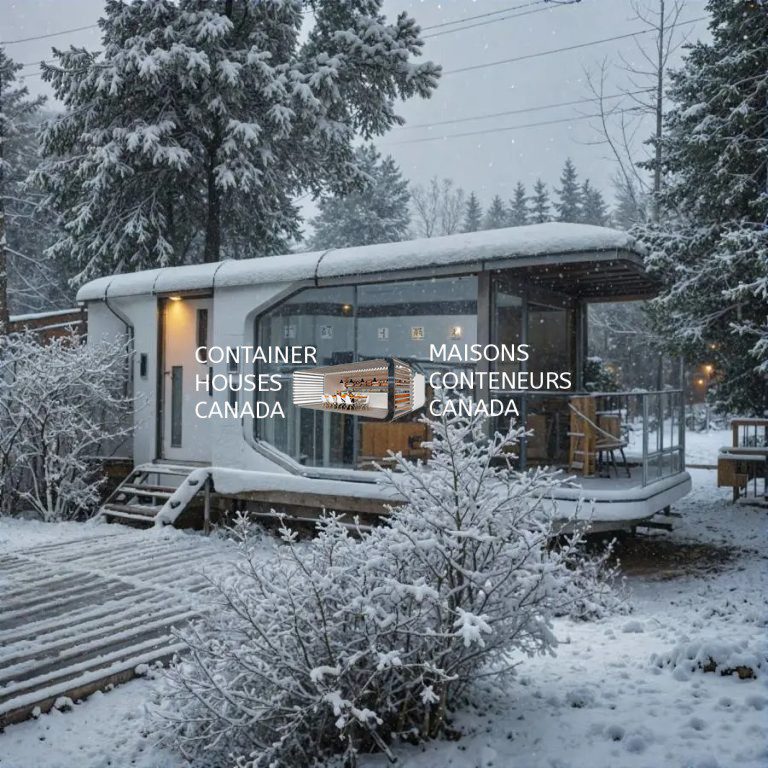
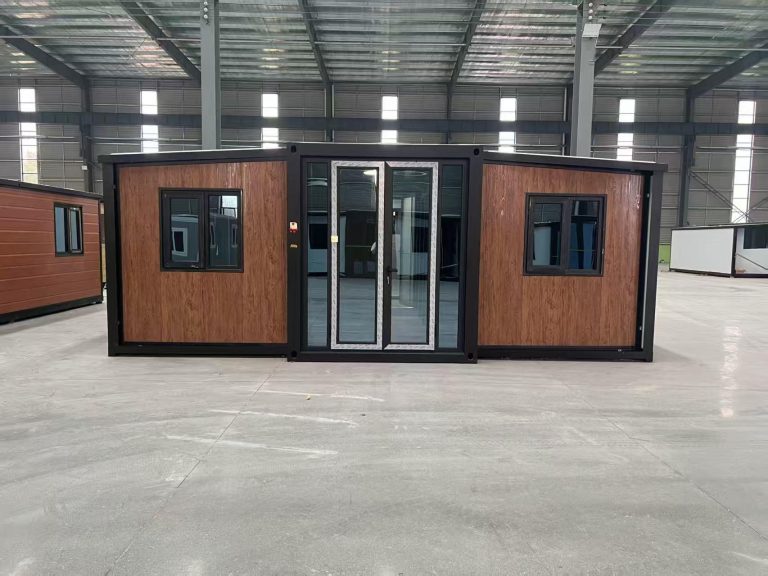
Options like container homes, modular houses, and prefab buildings are becoming increasingly popular.
These ho styles offer several benefits:
- Lower construction costs
- Faster building times
- Eco-friendly materials
- Modern design
- Flexible layouts
For first time homeowners with limited budgets, these solutions can provide a practical path toward ownership.
Mistakes First Time Homeowners Should Avoid
Buying a home is exciting, but mistakes can be costly.
Here are some common pitfalls:
Overextending Your Budget
Just because a bank approves a certain loan amount does not mean you should borrow the maximum.
Ignoring Hidden Costs
Maintenance, property taxes, and repairs can add thousands of dollars per year.
Skipping Home Inspections
A professional inspection can reveal costly structural issues before purchasing.
Changing Jobs During Mortgage Approval
Employment stability is important for lenders reviewing loan applications.
Tips for a Successful First Home Purchase
To improve your chances of becoming a successful homeowner, follow these steps:
- Improve your credit score
- Reduce existing debt
- Save aggressively for your down payment
- Research mortgage options
- Work with experienced professionals
- Budget carefully
- Compare lenders and interest rates
Preparation is the key to making your home purchase smooth and financially manageable.
The Future of First Time Homeownership
Homeownership continues to evolve. Rising ho prices, urban density, and changing lifestyles are reshaping how people buy homes.
Younger buyers are increasingly considering:
- Smaller homes
- Modular ho
- Container houses
- Remote locations
- Sustainable building methods
Technology and innovative construction methods are making homeownership more accessible than ever.
Final Thoughts for First Time Homeowners
Becoming a homeowner for the first time may seem complicated, but it is achievable with proper planning and financial discipline.
By understanding the key factors—credit, loans, interest rates, cash savings, and down payments—you can position yourself for success in the ho market.
Start by improving your credit, researching loan options, and building a strong savings plan. Take advantage of government programs and explore modern ho alternatives if traditional homes feel out of reach.
With patience and smart financial decisions, your dream of homeownership can become reality.
For many first time homeowners, the journey begins with a single step: planning today for the home you will own tomorrow.
Ready to build your container house project?
Contact Container Houses Canada for professional guidance, product selection and turnkey support.