
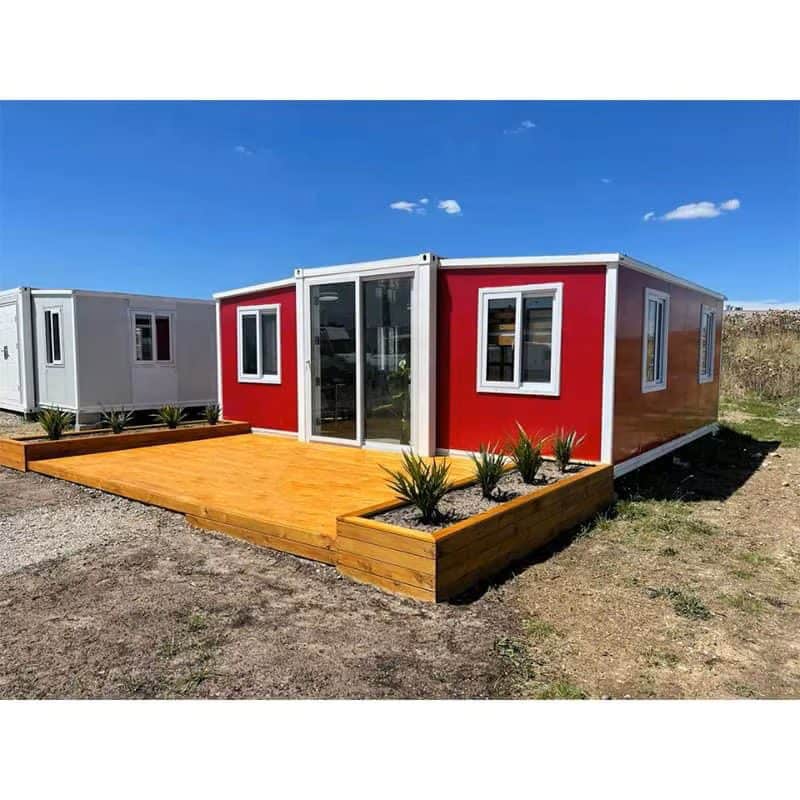
In recent years, container houses have captured public imagination across Canada. Promoted as affordable, sustainable, and modular alternatives to traditional housing, these structures offer an appealing solution amid a national housing shortage. Yet while their design and cost attract attention, container homes exist at the intersection of innovation and regulation. Canadian municipalities, building codes, and zoning laws play a decisive role in determining whether these homes are feasible or legal.
Understanding container housing in Canada therefore requires examining not only architecture and sustainability, but also how city regulations shape what can actually be built.
The Rise of Container Housing in Canada
Container houses—homes built from shipping containers or container-inspired modular structures—are part of a broader movement toward prefabricated and tiny housing. Their popularity stems from several perceived advantages:
- Lower material costs compared to traditional homes
- Faster construction timelines
- Modular expansion possibilities
- Reduced environmental footprint through reuse
In theory, container homes can address affordability challenges and provide flexible housing solutions for urban infill, remote communities, or emergency housing projects.
However, the assumption that container houses are automatically cheaper or easier to build is misleading. Once insulation, structural reinforcement, utilities, and compliance measures are included, costs can approach those of conventional construction. More importantly, regulatory hurdles often determine whether such projects move forward at all.
Canada’s Multi-Layered Regulatory System
One of the biggest challenges for container homes in Canada is the country’s layered regulatory structure. Housing projects must comply with three main levels of rules:
- National and provincial building codes
- Municipal zoning and land-use bylaws
- Local permitting and inspection requirements
Each level influences what qualifies as a legal dwelling.
A container home intended for year-round living is generally treated as a standard residential structure. That means it must meet fire, energy, structural, and safety requirements just like any other house. Structures over small thresholds—often around 10 m²—typically require permits and inspections before occupancy.
Because shipping containers were not originally designed as residences, converting them into habitable homes requires careful engineering. Issues such as insulation, moisture control, structural reinforcement, and removal of potentially toxic materials must be addressed to meet code requirements.
Zoning Laws: The Biggest Barrier
While building codes govern safety and construction quality, zoning bylaws determine where container homes can be built in the first place. In Canada, zoning rules are established at the municipal level, meaning regulations differ widely from one city or town to another.
Some municipalities treat container homes similarly to modular or prefabricated houses, provided they meet building standards. Others restrict them heavily or prohibit them outright in residential zones.
For example, some cities allow shipping containers only for temporary storage or construction purposes in residential areas, not as permanent dwellings. In such cases, they may be permitted only for short-term use or tied to active building permits.
In many regions, container structures are classified as accessory buildings unless they meet strict requirements for residential classification. This distinction affects setbacks, placement, and allowable uses on a property.
These zoning limitations illustrate why container housing is often easier to implement in rural or mixed-use areas than in dense urban neighborhoods.
Permits and Approval Processes
Even where container homes are permitted in principle, the approval process can be lengthy and complex. Before construction begins, homeowners usually need to secure:
- A building permit
- Zoning confirmation or variance approval
- Engineering certification for structural modifications
- Utility connection approvals
- Site and environmental assessments
Municipalities require these steps to ensure the home is structurally sound, properly serviced, and compatible with surrounding land use. Failure to obtain permits can lead to fines, forced removal, or legal disputes.
Permitting reviews often examine aspects such as:
- Structural safety and reinforcement
- Fire exits and alarms
- Plumbing and electrical systems
- Accessibility requirements
- Size and layout compliance
These factors mirror the review process for any conventional home, reinforcing the idea that container houses are not exempt from standard building expectations.
Setbacks, Placement, and Neighborhood Integration
Another regulatory issue affecting container homes involves setback requirements—the minimum distance structures must be placed from property lines, roads, and neighboring buildings.
Typical setbacks can require homes to be positioned several meters from boundaries, ensuring emergency access, privacy, and consistent neighborhood layouts. Violating these requirements can force relocation or redesign after installation.
Additionally, municipalities sometimes impose design standards related to exterior materials, colors, or visual integration into neighborhoods. These aesthetic considerations may limit the industrial appearance often associated with shipping container architecture.
Urban vs. Rural Acceptance
Acceptance of container housing often correlates with population density.
Urban areas
Cities typically have stricter zoning regulations, heritage controls, and neighborhood planning guidelines. Container homes may face opposition due to concerns about aesthetics, property values, or infrastructure compatibility.
Rural areas
Rural municipalities often provide greater flexibility, especially on agricultural or mixed-use land. However, they still enforce building codes and may restrict permanent foundations, utility hookups, or multiple dwellings on one lot.
Because of this regulatory landscape, many container home projects in Canada emerge in remote regions, resource communities, or temporary workforce housing developments rather than dense metropolitan neighborhoods.
Taxation and Property Assessment
Once a container home is approved and installed, it is usually assessed for municipal taxation just like any other residential structure. Tax rates depend on location, size, construction quality, and property value.
In some areas, even semi-permanent structures in recreational or camping zones can be taxed if they include roofs or utility connections, demonstrating how municipalities classify container homes within existing property frameworks.
Environmental and Safety Considerations
Beyond zoning and permits, environmental and safety concerns also influence municipal decisions.
Shipping containers may contain industrial coatings, treated flooring, or structural limitations that require modification. Without proper preparation, issues such as condensation, mold growth, and poor thermal performance can arise in Canada’s cold climate.
Municipalities therefore rely on building codes and engineering reviews to ensure container homes meet the same safety standards as conventional dwellings.
The Future of Container Housing in Canada
Despite regulatory challenges, container housing continues to gain traction in Canada, particularly in pilot projects addressing homelessness, temporary workforce housing, or rapid-deployment communities.
As the housing crisis intensifies, policymakers may increasingly view modular and prefabricated housing—including container homes—as part of the solution. Some municipalities are already revising zoning bylaws to accommodate secondary suites, accessory dwelling units, and tiny homes, potentially opening doors for container housing in the future.
However, widespread adoption will likely depend on several factors:
- Standardization of container-based building methods
- Clearer municipal guidelines
- Public acceptance of alternative housing forms
- Demonstrated energy efficiency and durability
Until then, container housing in Canada will remain a case-by-case endeavor shaped heavily by local regulations.
Conclusion
Container houses represent a compelling vision of modern, adaptable housing. Their modular nature, sustainability potential, and speed of construction align with Canada’s need for innovative housing solutions.
Yet in practice, container homes must navigate a dense web of building codes, zoning rules, permits, and municipal oversight. They are not exempt from traditional housing regulations; rather, they must fit within them.
For prospective builders, the key lesson is simple: success depends less on the container itself and more on the regulatory environment surrounding it. Understanding local bylaws, securing proper permits, and designing for compliance are essential steps toward turning a shipping container into a legal Canadian home.