Container Homes Canada | Modern Prefab Houses Solutions
Container Homes Canada | Modern Prefab Houses Solutions
The Rise of Container Homes in Canada: Affordable, Modern, and Built for the Future
In recent years, container homes have evolved from experimental architecture into one of the fastest-growing ho solutions across Canada. Rising construction costs, ho shortages, and a growing interest in sustainable living are pushing homeowners and investors to explore alternative ho options. Prefabricated container houses now offer an appealing blend of affordability, durability, and contemporary design.
Companies like Container Houses Canada are helping Canadians access high-quality container homes without the traditional complications of building from scratch. From compact cabins to large residential structures, container ho is reshaping how people think about modern living.
This guide explores everything you need to know about container homes in Canada — from benefits and costs to permits, installation, and long-term value.
What Are Container Homes?
Container homes are prefabricated residential or commercial structures built from reinforced steel shipping containers or container-style modular units. Unlike recycled containers converted into homes on site, most modern units sold in Canada are factory-engineered modules designed specifically for residential use.
These homes arrive partially or fully assembled, making installation faster and more predictable than traditional construction. Buyers can choose between:
- Single-unit compact homes
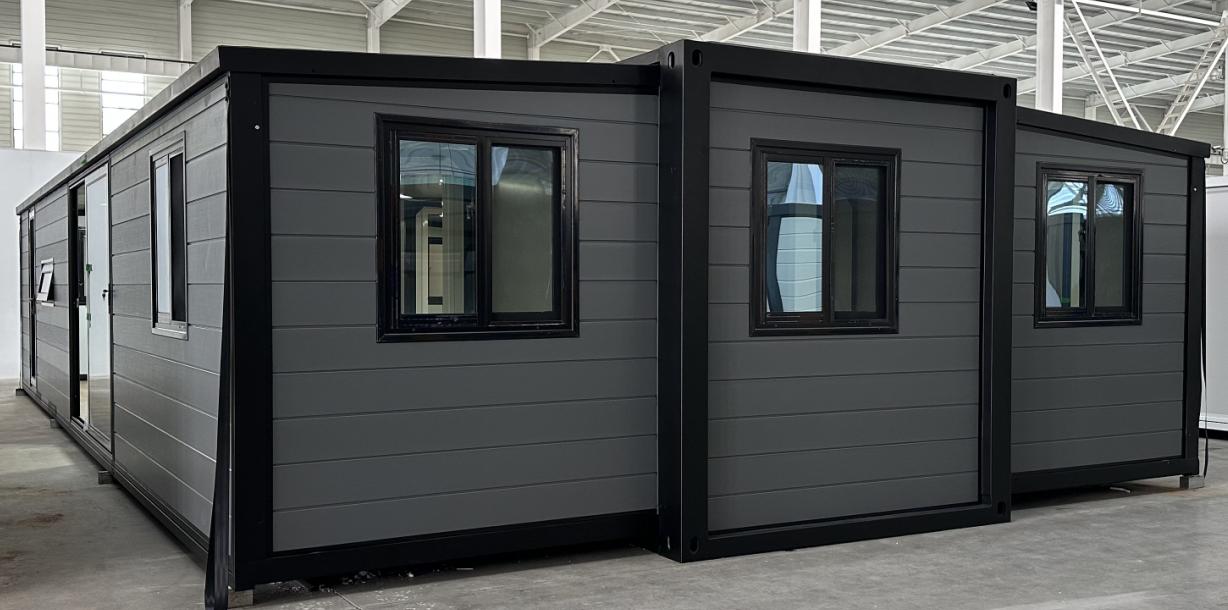
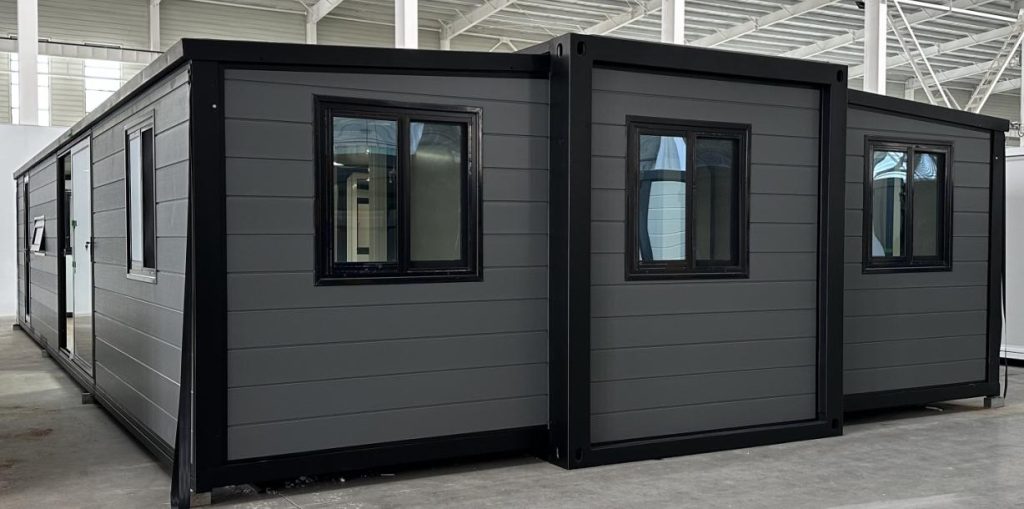
- Expandable modular homes
- Multi-level container residences
- Commercial or office structures
The flexibility of container ho makes it ideal for urban lots, rural properties, rental investments, and vacation homes.
Why Container Homes Are Growing in Popularity in Canada
1. Ho Affordability
Ho prices in major Canadian cities continue to rise. Many buyers simply cannot afford conventional builds. Container homes offer a lower entry price because they:
- Require less raw material
- Need shorter construction timelines
- Reduce labour costs
- Minimize design and engineering delays
For first-time buyers or investors, this affordability can make the difference between renting and owning.
2. Faster Construction and Delivery
Traditional homes can take 8–18 months to complete. Container homes can often be delivered and installed in a fraction of that time.
Because prefabricated container houses are manufactured in controlled factory environments, weather delays and on-site errors are greatly reduced. Once shipped to Canada and cleared through customs, installation can often be completed in days rather than months.
Companies like Container Houses Canada handle shipping logistics, import documentation, and transportation so clients receive a streamlined experience.
3. Strong and Durable Construction
Container-style homes are built reinforced steel framing, making them resistant to:
- Heavy snow loads
- Strong winds
- Moisture and pests
- Structural shifting
When properly insulated and installed on a solid foundation, container homes can last as long as conventional houses. This durability makes them suitable for Canada’s varied climate conditions, from coastal humidity to prairie winters.
4. Eco-Friendly Ho Option
Sustainability is another reason container homes are gaining attention. Prefabricated modular construction:
- Produces less material waste
- Uses energy-efficient insulation systems
- Requires fewer transport trips than conventional builds
- Supports solar panel integration
Many buyers also appreciate the smaller environmental footprint compared to large traditional homes.
Design Options for Modern Container Homes
One of the biggest myths about container ho is that designs are limited. In reality, modern container homes offer extensive customization options.
Exterior Design Choices
Buyers can choose from:
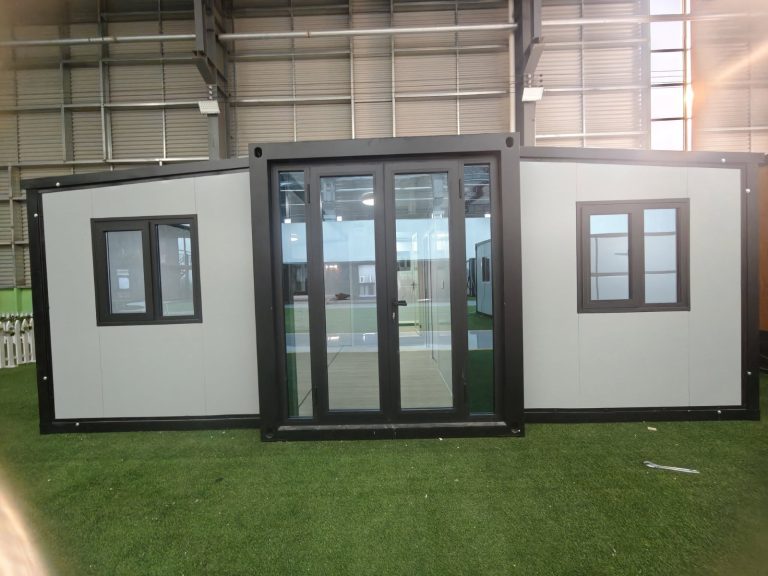
- Contemporary glass-front designs
- Wood or composite siding finishes
- Metal architectural panels
- Covered terraces or rooftop decks
These design options allow container homes to blend seamlessly into residential neighbourhoods or rural landscapes.
Interior Layout Flexibility
Interior layouts are just as customizable. Container homes can include:
- Open-concept kitchens and living spaces
- Full bathrooms with modern fixtures
- Built-in storage solutions
- Loft sleeping areas
- Office or studio spaces
Larger models can even be combined to create multi-bedroom family homes.
Container Homes vs Traditional Homes in Canada
Construction Cost Comparison
Traditional homes often involve unpredictable costs related to:
- Labour shortages
- Permit delays
- Material price increases
- Weather disruptions
Container homes reduce many of these variables because most construction occurs in the factory. This allows buyers to receive a clearer, more predictable final price.
Build Time Comparison
Traditional homes typically require months of site preparation and construction. Container homes, by contrast, can be installed quickly once the foundation is prepared.
This speed makes them especially appealing for:
- Remote properties
- Seasonal cabins
- Rental investments
- Commercial installations
Understanding Permits and Regulations
Container homes are legal in many Canadian municipalities, but they must meet local zoning and building codes.
Important considerations include:
- Foundation requirements
- Electrical and plumbing inspections
- Snow load engineering compliance
- Fire safety standards
Working with experienced importers and suppliers simplifies this process. Companies familiar with Canadian regulations can ensure units meet required standards before delivery.
The Importance of Proper Foundation Preparation
Even the strongest container home needs a stable base. A properly prepared foundation:
- Prevents structural shifting
- Supports insulation efficiency
- Ensures long-term durability
- Helps meet local building codes
Common foundation options include:
- Concrete slab
- Pier foundation
- Screw piles
- Reinforced pad systems
Site preparation is one of the most important steps in ensuring your container home lasts decades.
Delivery, Customs, and Logistics
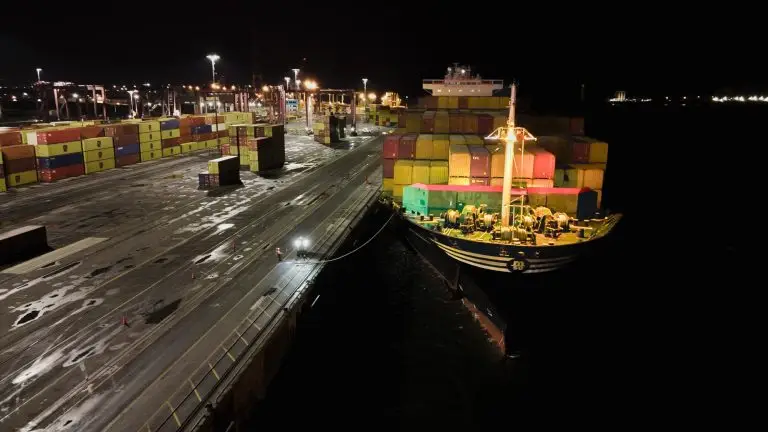
Importing prefabricated homes into Canada requires coordination between shipping companies, customs authorities, and transport providers.
Reliable suppliers handle:
- Import documentation
- Customs clearance
- Tariffs and duties
- Inland transportation
Some companies even manage the entire process from overseas factory to final installation site.
Financial transactions for large purchases are often handled through trusted institutions such as Royal Bank of Canada to ensure secure payment processing and international transfers.
Investment Potential of Container Homes
Container homes are not just for primary residences. They are increasingly used for:
- Rental properties
- Vacation cabins
- Short-term accommodations
- Commercial offices
- Workforce ho
Because of their lower cost and fast installation, investors can achieve faster returns compared to traditional builds.
In regions experiencing ho shortages, container homes are becoming a practical solution for both private buyers and municipalities.
Long-Term Value and Durability
One of the biggest concerns buyers have is longevity. Properly manufactured container homes can last as long as conventional homes when:
- Installed on a solid foundation
- Maintained properly
- Insulated correctly
- Protected from moisture
Steel framing provides excellent structural strength, while modern insulation systems ensure energy efficiency year-round.
Choosing the Right Supplier in Canada
Selecting the right supplier is essential. Buyers should look for companies that offer:
- Transparent pricing
- Canadian import experience
- Customization options
- Warranty coverage
- Delivery coordination
Working with a trusted supplier reduces risks and ensures the home arrives compliant with Canadian standards.
Suppliers like Container Houses Canada provide turnkey solutions, allowing buyers to focus on preparing their land rather than managing international logistics.
Future Trends in Container Ho
Container ho is expected to grow rapidly across Canada due to:
- Increasing ho demand
- Rising construction costs
- Greater acceptance of modular homes
- Advancements in prefab technology
As design innovation continues, container homes will likely become a mainstream ho option rather than an alternative niche.
Developers, municipalities, and private buyers are already exploring container ho as part of long-term urban planning strategies.
In Conclusion
Container homes are redefining modern ho in Canada. They offer a compelling combination of affordability, speed, durability, and design flexibility. Whether used as a primary residence, investment property, or vacation home, container ho provides a forward-thinking solution to today’s real estate challenges.
With experienced suppliers managing import logistics, permits, and delivery, owning a container home in Canada has never been more accessible. As the demand for efficient ho continues to grow, container homes are positioned to play a major role in the future of Canadian living.
Ready to build your container house project?
Contact Container Houses Canada for professional guidance, product selection and turnkey support.